
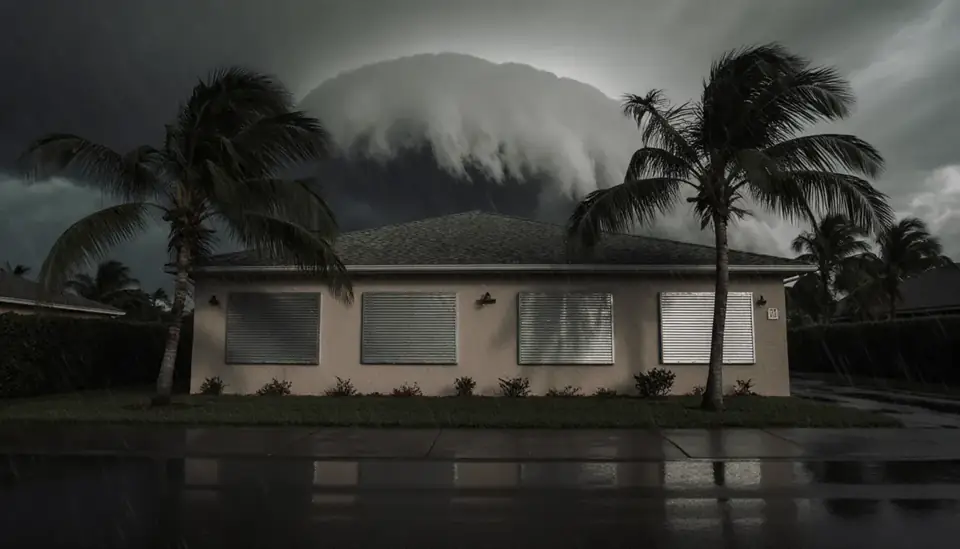
Two bays sit inside the city limits of Corpus Christi. Nueces Bay and Corpus Christi Bay account for most of the 328 square miles of water within its boundaries, and the official elevation is only about 6.6 feet. Add the Laguna Madre, Oso Bay and the Nueces River at Calallen, and most parts of town have some body of water close at hand. Wind-driven rain off the Gulf, a high tide pushed into a low street, or a slab home that took a few inches of water during a tropical storm: each one leaves a different cleanup job.
We're a free referral line rather than a restoration company. Call (888) 317-9980 any time and we'll connect you with an independent restoration provider that serves Corpus Christi and the rest of Nueces County. Those providers commonly handle extraction, drying, mold work and rebuilding, and many offer emergency service.
How the call works: when you call (888) 317-9980, The Restoration Job connects you with an independent restoration provider that serves Corpus Christi. That provider inspects the damage, explains the scope and quotes the work. The Restoration Job doesn't perform restoration itself. Read our referral disclosure.
From the 1919 Storm to Hanna: How the Bayfront Has Flooded
The storm of September 14, 1919 killed hundreds of people here, and the downtown seawall exists because of it. Hurricane Celia came ashore near the city on August 3, 1970 as a Category 4 storm. The Weather Bureau office recorded gusts to 161 mph, roughly a third of houses were badly damaged or destroyed, and about 90 percent of downtown buildings took some damage. Celia dropped only 3 to 4 inches of rain; almost all of that destruction came from wind.
More recent storms have been less violent but still costly. During Harvey in 2017, the National Weather Service office in Corpus Christi described widespread minor damage across the metro area, with most homes reporting roof problems and power out for a couple of days. Hurricane Hanna crossed Padre Island on July 25, 2020 with surge up to 6.24 feet, and the Bob Hall Pier was battered until it eventually collapsed. Tropical Storm Harold in August 2023 left 5.25 inches of rain, including a daily record of 4.74 inches on August 22.
North Beach, Flour Bluff and Calallen Face Different Water
Corpus Christi is spread out enough that water damage looks different from one side of town to the other:
- North Beach and the Downtown Bayfront: low ground facing the bay, where surge and wind-driven water are the main concern during tropical systems.
- Flour Bluff and the Padre Island side: between Oso Bay, the Laguna Madre and the Gulf, exposed to salt air, wind and storm tide.
- Southside, Pharaoh Valley and the Oso Creek corridor: mostly newer neighborhoods where heavy downpours, overwhelmed street drainage and roof leaks cause most claims.
- Calallen: out along the Nueces River on the city's western edge, where river levels matter more than the bay after long rains upstream.
Before you sign anything, check your address on FEMA's flood map. The zone affects both what your policy covers and what kind of repairs make sense.
Slab Homes, Roof Breaches and the First Two Days
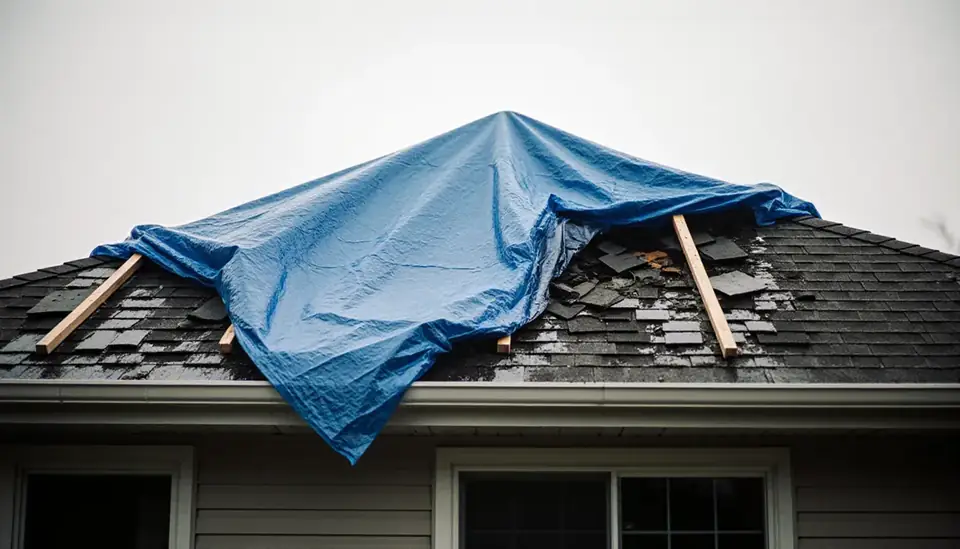
In a slab-on-grade house, water spreads across the floor and wicks up into drywall and baseboards instead of draining into a crawl space. After a storm, the typical calls are rain that came through a lifted shingle line or broken window, water pushed under doors, and the slow drip from a damaged roof that shows up as a ceiling stain days later.
Here is what a restoration crew will typically do on a job like this. They measure moisture in walls and subfloors, pull out wet carpet pad and swollen baseboards, cut drywall above the wet line, and set air movers and dehumidifiers for several days. For deeper water, see our overview of flood cleanup, which covers contaminated water and what usually has to be removed. Take photos of every room before anything is torn out. About 42 percent of occupied homes in the city are rentals, so tenants should tell their landlord right away and keep copies of what they send.
Coastal Humidity and Mold After a Power Outage
Corpus Christi gets about 32 inches of rain a year, and September is usually the wettest month. That is also when hurricane risk peaks. Moist Gulf air keeps indoor humidity high whenever the air conditioning is off, and after a storm that knocks out power for a day or two, wet drywall and cabinet backs can start growing mold quickly. If a stain keeps spreading, the wall smells musty, or water got behind tile or into wall cavities, ask a provider about mold remediation so the source gets dried and the affected material is removed instead of painted over.
Freezes, Sewer Backups and Other Surprises
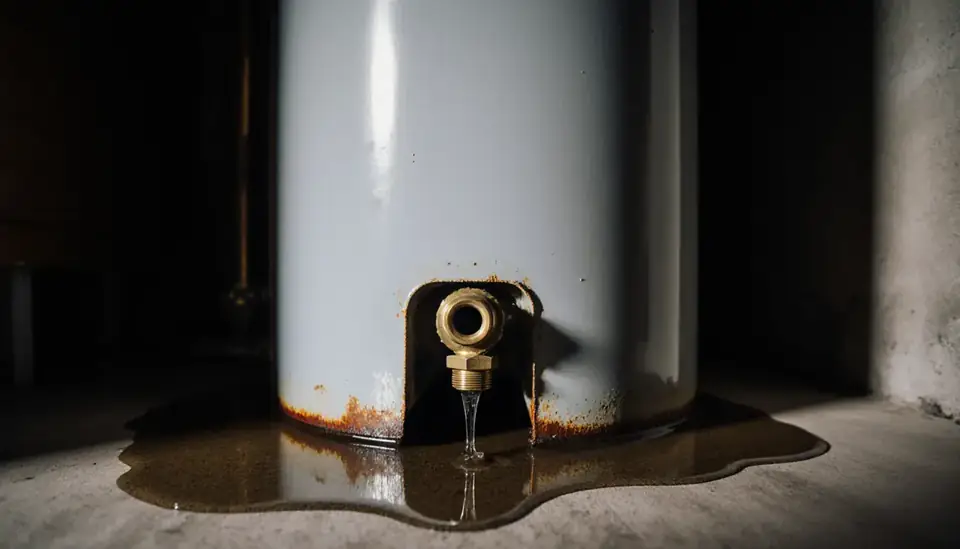
Hurricanes get most of the attention, but they are not the only threat. The city's record low is 11°F, and the National Weather Service lists the February 2021 Arctic outbreak among the major South Texas events. Pipes in exterior walls, attics or exposed outdoor runs are the ones most likely to split. Heavy rain can also overload sanitary lines and push sewage up through floor drains or low toilets. Treat that as a contamination problem, not just a wet floor. If your home was damaged in a storm and you're looking for help in nearby towns, the Texas service area page lists other communities, including Portland across the bay.
Neighborhoods and Nearby Communities
Calls come in from across Corpus Christi, including:
- Downtown
- North Beach
- Flour Bluff
- Calallen
- Southside
- Pharaoh Valley
- Southmoreland
The same line also serves nearby communities such as:
- Portland
- Robstown
- Port Aransas
- Ingleside
- Aransas Pass
- Bishop
Common Questions
Does a homeowners policy cover water from a hurricane in Corpus Christi?
Usually only part of it. Standard homeowners policies typically cover wind damage and rain that enters through a storm-damaged roof or window, while rising water from surge or flooding generally falls under a separate flood policy. Photograph the damage, note how water entered, and call each carrier that might be involved.
My North Beach home took on bay water. Is it safe to just dry it out?
Bay water and storm runoff carry salt, sediment and often sewage, so it is treated as contaminated. Carpet, pad, insulation and the lower part of wet drywall are normally removed rather than dried in place, and hard surfaces are cleaned and sanitized. Salt residue can also corrode wiring and fasteners, so have outlets and panels checked before turning circuits back on.
How do I know if my Corpus Christi address is in a flood zone?
Search your address on FEMA's Flood Map Service Center, linked below. The map shows the flood zone and, in coastal areas, whether the property is in a high-hazard zone affected by wave action. Many homes inland near Oso Creek and along the Nueces River have their own flood risk. A low-risk zone is not the same as no risk.
Who can I call at night when a pipe bursts?
Shut off the main water valve first. It's usually near the street in a meter box or where the line enters the house. Then call (888) 317-9980. The line is answered 24/7 and connects you with an independent restoration provider serving Corpus Christi. Many of those providers offer emergency extraction, though availability varies by company and conditions.