
Tomball was called Peck until December 2, 1907, when it was renamed for Thomas Henry Ball, the railroad attorney who helped bring the line through. Oil arrived in 1933, and for decades Humble Oil supplied water and natural gas to residents free of charge in exchange for drilling rights, an arrangement that lasted until 1988. The city spans about 13 square miles of northwest Harris County along FM 2920 and State Highway 249, with 12,341 people counted in 2020.
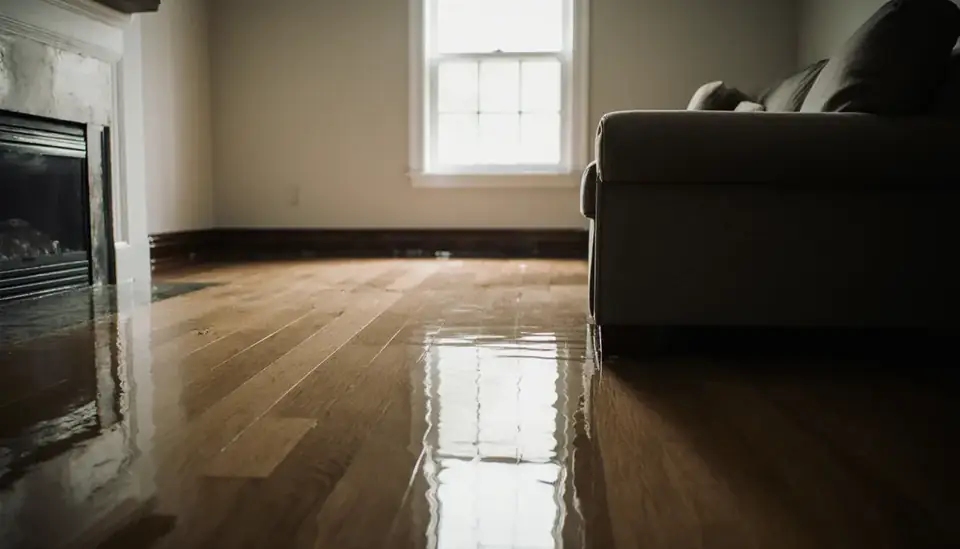
At 187 feet above sea level, Tomball sits higher than most of the Houston area, yet heavy rain, creek flooding and plumbing failures still bring water indoors. The Restoration Job is a free call-connection service rather than a contractor: dial (888) 317-9980 and we'll connect you with an independent restoration provider that serves the area.
How the call works: when you call (888) 317-9980, The Restoration Job connects you with an independent restoration provider that serves Tomball. That provider inspects the damage, explains the scope and quotes the work. The Restoration Job doesn't perform restoration itself. Read our referral disclosure.
Higher Ground Doesn't Mean No Flooding
Spring Creek flows past Tomball on its way east toward The Woodlands, Spring and eventually the San Jacinto River, forming part of the boundary between Harris and Montgomery counties. In this part of the county, creeks and roadside ditches carry a lot of water during intense storms, and low spots near channels can flood even when the city as a whole sits relatively high.
The April 17 and 18, 2016 storms show how hard this corner of the county can be hit. The heaviest rain fell northwest of Houston, reaching 17.6 inches along Little Mound Creek, and Harris County reported 744 homes and 400 apartments flooded. During Hurricane Harvey in 2017, a gauge about seven miles south-southeast of Tomball recorded 28.94 inches, and the National Weather Service reported major flooding on Spring Creek.
From Downtown Storefronts to New Rooftops
The city's railroad-era core downtown and the newer neighborhoods spreading out along the highways present different water problems. Older commercial buildings may have flat or low-slope roofs, aging drains and plumbing that has been modified many times. Newer homes on slabs more often see damage from failed supply lines, washing machine hoses, water heaters and attic air conditioning units that overflow during humid months.
Business owners should know where the main shutoff is and who to call after hours. For homes, a quick look under sinks and behind the washer every few months catches slow drips before they rot cabinet bases or subfloor. When a leak does run for a while, water damage repair generally means opening the wet area, drying the framing and replacing damaged finishes.

The February 2021 Freeze and Attic Plumbing
The winter storm of February 10 to 27, 2021, left more than 4.5 million Texas homes and businesses without power and caused widespread frozen pipe damage. Water lines in attics, exterior walls and unheated garages were the most vulnerable, and many breaks were not found until pipes thawed and water started pouring through ceilings.
- Shut off water at the main valve right away.
- Open a faucet to relieve pressure and drain the lines.
- Turn off electricity to rooms where water is running near fixtures or outlets.
- Move furniture and electronics out of the wet area and photograph the damage.
A provider handling water extraction can remove standing water and set up drying equipment, which keeps insulation and ceiling drywall from staying wet for days.
Sorting Out Insurance After a Tomball Water Loss
Insurers treat water damage differently depending on where it came from. A sudden pipe burst or appliance failure is often covered under a homeowners policy, while slow, long-term leaks may not be. Water that came from outside, from rising creeks or flooded streets, usually falls under separate flood insurance. Before anything is thrown away, photograph it, note brand names and model numbers, and keep a sample of flooring or carpet if possible.
Ask your restoration provider for a written scope, moisture readings and photos of each stage. That record makes it easier for an adjuster to follow what was done and why.
Warm, Humid Air and Hidden Growth
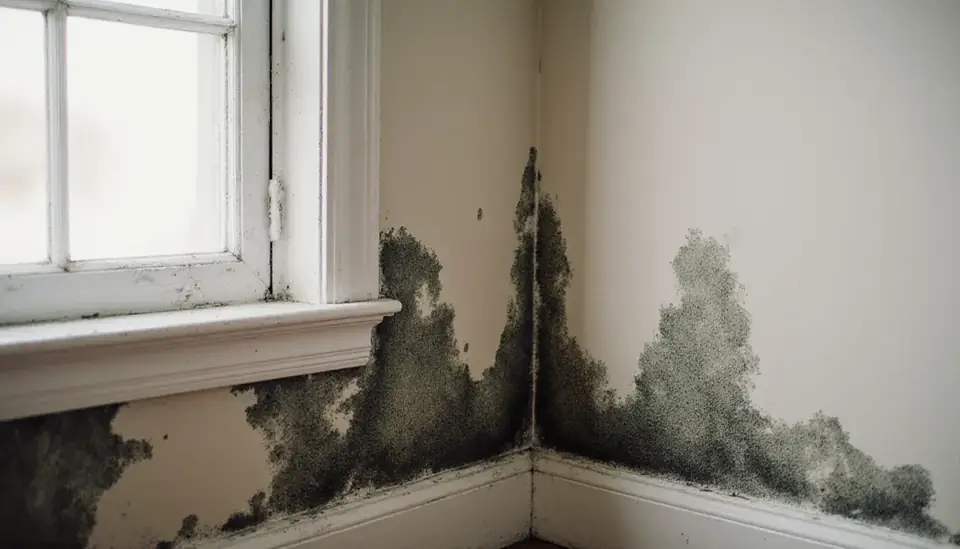
Northwest Harris County's long, humid warm season means wet materials don't stay mold-free for long. Problems usually start where water hides: under vinyl plank flooring, inside lower cabinets, behind baseboards and in attic insulation below a leak. A musty smell is often the first warning.
Fast drying prevents most growth. If mold has already spread, ask for an inspection and professional mold remediation with containment rather than spraying bleach on drywall, which doesn't reach growth inside the material.
Neighborhoods and Nearby Communities
The same line also serves nearby communities such as:
- Magnolia
- Spring
- The Woodlands
- Houston
Common Questions
Tomball is higher than Houston. Is flood insurance still worth considering?
Elevation helps, but local creeks and drainage channels can still flood nearby streets and homes during intense storms like those of April 2016 and Harvey in 2017. Look up your address on the FEMA Flood Map Service Center and talk with your agent. Homeowners policies usually exclude rising water, and flood policies typically have a waiting period before coverage begins.
What should I check first after a pipe bursts in the attic?
Shut the main valve, then look for sagging ceiling drywall and keep people out from under it. Wet insulation is heavy and holds moisture against the drywall, so it usually needs removal. Check walls below the break for staining and soft spots. A provider can use a moisture meter to find how far water traveled along joists and into wall cavities.
Can I check creek levels near Tomball during a storm?
Yes. The Harris County Flood Control District's flood warning website shows real-time rainfall and stream levels at gauges throughout the county, including on Spring Creek and its tributaries. Pair that with National Weather Service warnings and Harris County emergency alerts. Avoid driving through water on roads, since even shallow moving water can carry a vehicle.