
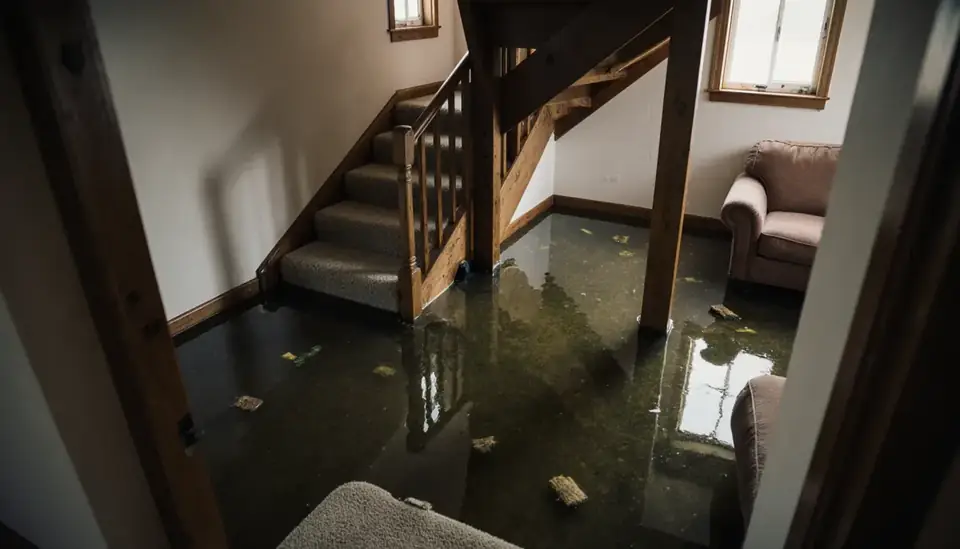
Almost twelve percent of Scottsboro's 57 square miles is water. The Jackson County seat spreads along the western shore of Guntersville Lake, the TVA reservoir on the Tennessee River, with Sand Mountain rising across the water and the Cumberland Plateau hills behind town. Coves, sloughs and the low ground around Goose Pond bring the lake right into many neighborhoods, and the town averages close to 60 inches of rain a year.
The Restoration Job runs a free phone line answered around the clock. Call (888) 317-9980 and we'll connect you with an independent restoration provider that works in Scottsboro and the rest of Jackson County. We are a referral service only; the company you are connected with does the inspection, cleanup and repairs.
How the call works: when you call (888) 317-9980, The Restoration Job connects you with an independent restoration provider that serves Scottsboro. That provider inspects the damage, explains the scope and quotes the work. The Restoration Job doesn't perform restoration itself. Read our referral disclosure.
Living Beside Guntersville Lake: Coves, Sloughs and Low Lots
The reservoir reached its present shape in January 1939, when the valley behind Guntersville Dam was flooded. Today it runs about 75 miles upstream toward Nickajack Dam, and Scottsboro's shoreline is one of the most built-up stretches along it. Lake levels are managed by TVA, and release schedules can shift quickly when heavy rain moves across the upper Tennessee Valley.
For homeowners, the practical risks are the low lots near coves and the small tributaries that feed them. When a slow-moving rain system stalls over the plateau, those creeks rise fast, culverts back up and water collects in the lowest yards, garages and crawl spaces. Being near the lake does not automatically put a house in a mapped flood zone, and being outside one does not mean water can't reach it. Look up your address on FEMA's flood maps before you buy or renovate.
Hillside Runoff From the Cumberland Plateau Edge
Jackson County is described as hilly and mountainous Appalachian country, and Scottsboro sits where those slopes meet the river valley. That geography sends a lot of water downhill during hard thunderstorms. Houses built into a slope often take water at the uphill foundation wall, through basement block, or under garage doors that face the grade.
- Check where downspouts discharge; water dumped against a hillside foundation usually ends up inside.
- Keep the ditch or swale behind the house clear of leaves and debris.
- Look for staining at the bottom of block basement walls after each big storm.
- Watch for standing water in a crawl space a day or two after rain stops.
Older Homes Around the Public Square and College Hill
Two historic districts anchor central Scottsboro: the Public Square Historic District around the courthouse, roughly bounded by Appletree, Andrews, Willow and Caldwell Streets, and the College Hill Historic District along College Avenue. Houses of that era often have pier foundations, wood floors over open crawl spaces, plaster walls and plumbing that has been patched and rerouted over many decades.
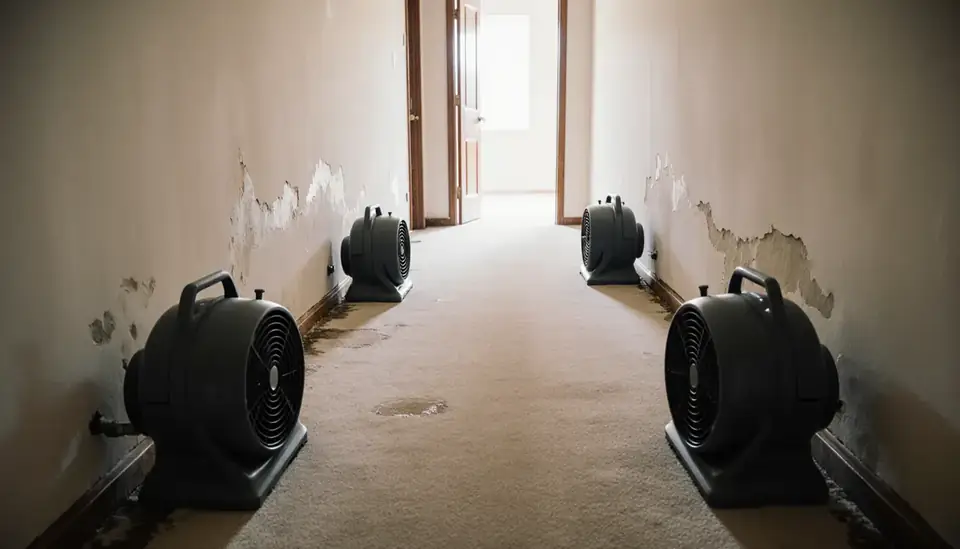
When one of these homes gets wet, slow down before demolition. A good water damage restoration crew should map moisture with meters and take readings in the crawl space as well as the rooms above. Plaster and hardwood can often be dried in place with careful airflow and dehumidification. Vinyl added over old floors, carpet pad and fiberglass insulation usually have to come out.
Cold Snaps, Damp Summers and Mold Under the Floor
Snow is light here, about an inch a year, but the record low is minus 13 degrees. Hard freezes catch supply lines in crawl spaces, outside walls and unheated garages, and the leak often shows up only after the thaw. Know where the main shutoff is, and in a deep freeze let a faucet drip on exterior walls.
Summer brings the opposite problem. Humid air pulled into a crawl space condenses on cool ductwork and subfloors, and a leak that would dry in a desert stays wet here. Once materials stay damp for more than a day or two, mold can start. If you smell mustiness or see fuzzy growth on joists, a provider offering mold remediation can contain the area, remove affected material and fix the moisture source so it does not return.
First Moves When Lake Country Water Gets Inside
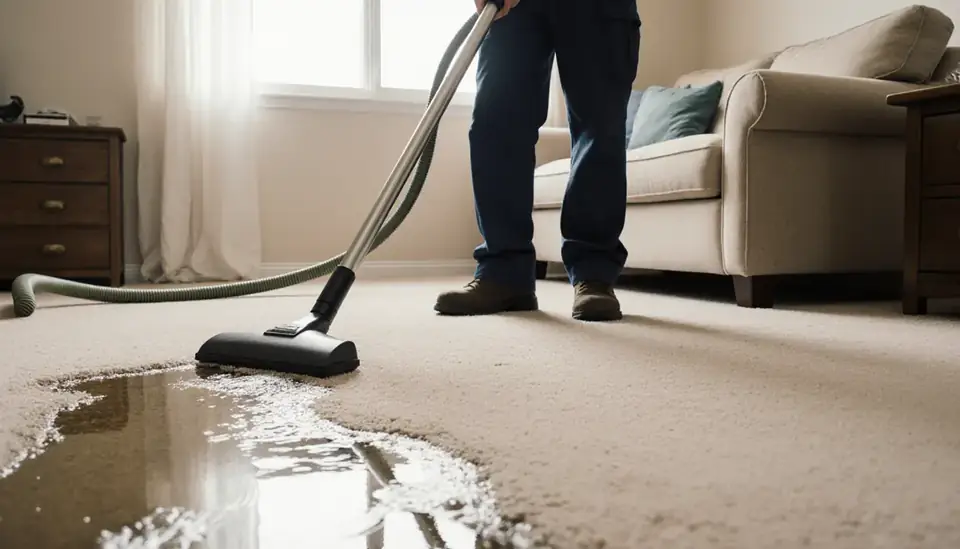
Stop the source if you can: shut the main valve for a plumbing leak, or move belongings off the floor if surface water is rising. Do not walk into flooded rooms where outlets or cords may be under water. Photograph everything before you move it, and keep damaged items for an adjuster if possible.
Remember the insurance distinction that catches many lake-area owners: a burst pipe is usually covered under a homeowners policy, while rising water from a creek or the lake requires separate flood insurance. Floodwater is treated as contaminated, so wet drywall, insulation and carpet that it touched are normally removed rather than dried.
Where Callers in the Scottsboro Area Are
Calls come in from across Scottsboro, including:
- Public Square Historic District
- College Hill Historic District
- Goose Pond
The same line also serves nearby communities such as:
- Hollywood
- Section
- Woodville
- Pisgah
- Bridgeport
- Stevenson
- Guntersville
Scottsboro Water Damage Questions
My Scottsboro house is near the lake but not in a flood zone. Do I need flood insurance?
It's worth considering. Standard homeowners policies exclude damage from rising surface water, and creek overflow or backed-up drainage can reach homes outside the mapped Special Flood Hazard Area. Check your property on FEMA's Flood Map Service Center, then ask your agent about a flood policy. There is usually a waiting period before new coverage starts, so don't wait for a storm forecast.
Who do I contact for county emergency information in Jackson County?
Jackson County Emergency Management is based on East Laurel Street in Scottsboro, and the Alabama EMA website lists its phone number and email. Watches and warnings for the county come from the National Weather Service office in Huntsville. Keep a weather radio or alert-enabled phone handy during spring storm season.
Water is sitting in my crawl space after heavy rain. Is that an emergency?
It is less urgent than a burst pipe, but leaving it is a mistake. Standing water raises humidity under the house, wets insulation and can start mold on joists within days. Pump or extract the water, find out how it got in, and dry the space with dehumidifiers. Call (888) 317-9980 to be connected with an independent provider that serves Scottsboro.