
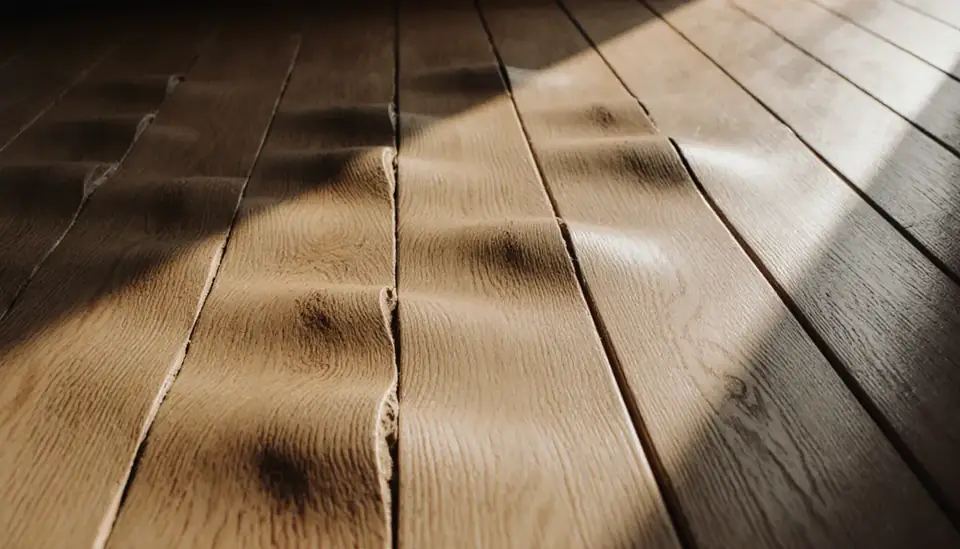
Copper built Globe, and much of the town still looks the part. The settlement started around 1875 as a silver camp, incorporated in 1907 and grew around the Old Dominion mine, which closed for good in 1931. Its downtown historic district, listed on the National Register in 1987, is mostly made of buildings from 1900 to 1926, including the 1906 Gila County Courthouse of locally quarried dacite. Older masonry, aging roofs and decades of plumbing upgrades layered on top of each other shape how water moves once it gets inside.
The Restoration Job runs a free referral service. Call (888) 317-9980 any time and we'll connect you with an independent restoration provider that serves Globe and the rest of the Globe-Miami area. That company does the inspection, sets the price and handles the work. Our role is getting you to someone who covers your address.
How the call works: when you call (888) 317-9980, The Restoration Job connects you with an independent restoration provider that serves Globe. That provider inspects the damage, explains the scope and quotes the work. The Restoration Job doesn't perform restoration itself. Read our referral disclosure.
Living in the Pinal Creek Valley
Globe sits in the valley of Pinal Creek, a north-flowing tributary of the Salt River, at roughly 3,510 feet. The town averages about 15.6 inches of precipitation a year, and summer thunderstorms supply a large share of it in short, intense bursts. On a valley floor, that rain does not stay where it lands. It runs off hillsides, streets and gravel lots toward the creek and the smaller drainages that feed it.
For a house or shop, the trouble spots are predictable: a back wall that faces uphill, a garage slab poured lower than the street, a basement or cellar in an older building, and roofs whose drains clog with leaves and grit right before a storm. Sediment usually arrives with the water. Muddy runoff in living space calls for flood cleanup that removes silt and soaked materials, not just a wet vac.
Downtown Masonry and Century-Old Commercial Buildings
Many storefronts along the historic core went up before 1930, with stone or brick walls, cast iron columns and upper floors that were converted, closed off or rebuilt over the years. Water entering one of those buildings tends to find hidden paths: along old chases, under raised floors, behind later drywall furred out over masonry. A ceiling stain on the ground floor may trace back to a roof drain or a second-story bathroom well away from the spot.
Masonry also holds water longer than wood framing. A provider will usually take moisture readings across the wall rather than judging by touch, then set up dehumidifiers and air movement for structural drying that may run longer than in a newer house. Owners of listed or historic buildings should photograph original trim, plaster and flooring before anything is removed and ask that salvageable materials be dried in place where practical.
Wildfire Scars Nearby and Summer Storm Runoff
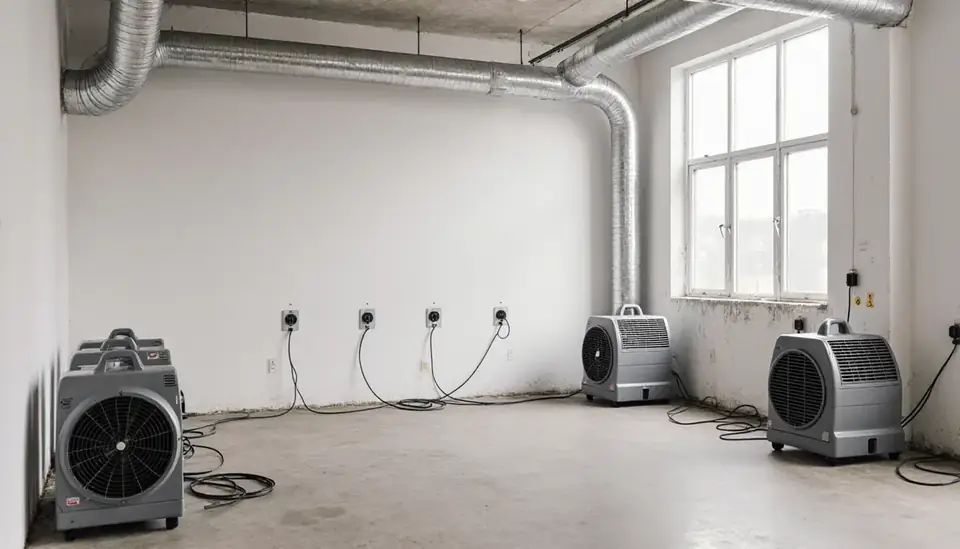
The 2021 Telegraph Fire burned more than 180,000 acres near Superior between June and early July and prompted evacuations around Miami and Top-of-the-World, a short drive west of Globe. Burned slopes shed water and debris faster than vegetated ground, which is why the National Weather Service issues burn-scar flash flood outlooks in Arizona during the monsoon. Even when a scar is miles away, it is a reminder that storm runoff around here can carry ash, gravel and mud.
A few steps help before the next storm season:
- Clear roof drains, scuppers and gutters by early summer.
- Check that the yard slopes away from the foundation and that no wall or planter dams water against the house.
- Keep valuables and paperwork off the floor in basements and storage rooms.
- Sign up for local emergency alerts and know which roads lead to higher ground.
What Cleanup Looks Like After a Globe Leak or Flood
Turn off power to wet areas if it is safe to do so, then shut the main water valve if the source is a pipe or fixture. Take photos and video before moving anything, since your insurer will want to see the damage as it was. Then get drying started; drywall, carpet pad and cabinet bases that stay wet for a couple of days in summer heat begin to smell and grow mold.
A typical water damage restoration visit includes extracting standing water, mapping moisture with meters, removing materials that cannot be saved, and running drying equipment until readings reach normal levels. Clean water from a supply line is handled differently from creek runoff or a sewer backup, which carry contaminants and require more removal and disinfection. Ask the provider to explain the category of water and what that means for your flooring and walls.
Mold Risk in a Semi-Arid Mining Town
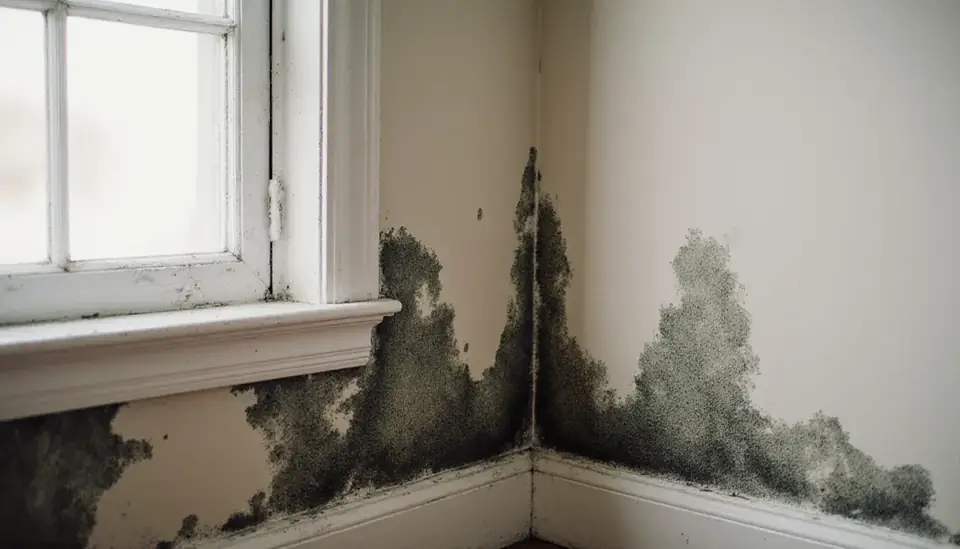
Globe's dry air helps exposed surfaces dry, which can be misleading. Water trapped inside a wall cavity, under vinyl flooring or behind a stone wall does not benefit much from low humidity outside, and the monsoon raises indoor humidity just when storm leaks are most common. Musty odor, warped baseboards or paint bubbling weeks after a leak are signs moisture stayed behind.
A homeowner can usually wipe up a few small spots on a nonporous surface. Larger growth, growth inside walls or anything following contaminated floodwater is a job for professional mold remediation, with containment so spores are not spread to clean rooms during removal.
Areas In and Around Globe
Calls come in from across Globe, including:
- Downtown Historic District
The same line also serves nearby communities such as:
- Miami
- Claypool
- Central Heights-Midland City
- Inspiration
- San Carlos
- Peridot
Frequently Asked Questions
Does a cold snap really cause pipe breaks in Globe?
It can. Globe's winters are mild compared with the high country, but the record low is 12°F, and a hard freeze now and then catches pipes in exterior walls, crawl spaces, unheated garages or outdoor hose bibs. Older buildings with plumbing added over many decades are more exposed. Disconnecting hoses, insulating vulnerable lines and letting a faucet drip on the coldest nights are cheap precautions.
Is flood damage from monsoon runoff covered by my homeowners policy?
Usually not. Standard homeowners policies generally exclude surface flooding, which needs a separate flood policy, often through the National Flood Insurance Program. Wind-driven rain through a damaged roof or a burst pipe is treated differently and is commonly covered. Read your policy, call your agent early and document everything before cleanup begins so the adjuster can see the source and extent.
How do I check flood risk for a property in Globe?
Start with the FEMA Flood Map Service Center, where you can search an address and view the effective flood map. The City of Globe also posts a flood information page. Because many local drainages are not mapped in detail, also look at the lot itself: where water from uphill would travel, and whether past owners noted any runoff problems.
Can you send someone to Miami or Claypool too?
We do not send anyone ourselves. We connect callers with independent restoration providers, and many that serve Globe also work across Miami, Claypool and the rest of the Globe-Miami area. When you call, give the full address and a quick description of the water source so the provider can tell you whether it covers that location.