
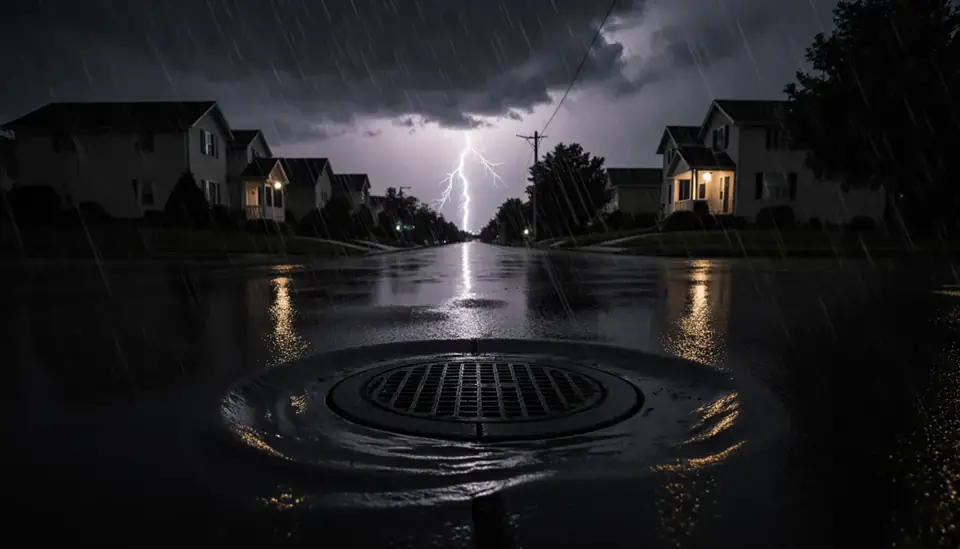
Page was built on Manson Mesa in 1957 as a housing community for the workers building Glen Canyon Dam, and the town still sits about 600 feet above Lake Powell. It is high desert country, around 4,100 feet, with roughly 6.9 inches of precipitation in an average year. Water damage here does not come from a wet climate. It comes from short, intense storms, from plumbing and cooling systems working hard through hot summers, and from winter nights that dip below freezing more often than visitors expect.
Reaching help starts with a call to The Restoration Job at (888) 317-9980. It costs nothing, the line is answered 24/7, and we'll connect you with an independent restoration provider that serves Page. We refer; the provider does the work. Page is a long drive from larger cities, so ask about timing when you are connected.
How the call works: when you call (888) 317-9980, The Restoration Job connects you with an independent restoration provider that serves Page. That provider inspects the damage, explains the scope and quotes the work. The Restoration Job doesn't perform restoration itself. Read our referral disclosure.
What Antelope Canyon Teaches About Desert Runoff
The most famous flood in the Page area happened on a sunny day. On August 12, 1997, eleven tourists were killed in Lower Antelope Canyon, east of LeChee, after a thunderstorm dropped heavy rain on the basin about seven miles upstream. In July 2010, visitors were stranded on a ledge in Upper Antelope Canyon by two flash floods. Rain does not have to fall where you are standing for water to arrive.
The same physics applies on a smaller scale in town. Bare rock and hard desert soil absorb little water, so a short storm can send sheet flow across lots, down driveways and into garages, patios and low doorways. Clogged roof drains and scuppers fill and overflow in minutes. After a storm, check ceilings, exterior walls and anywhere water could have pooled against the house.
Late-Summer Storms on Manson Mesa
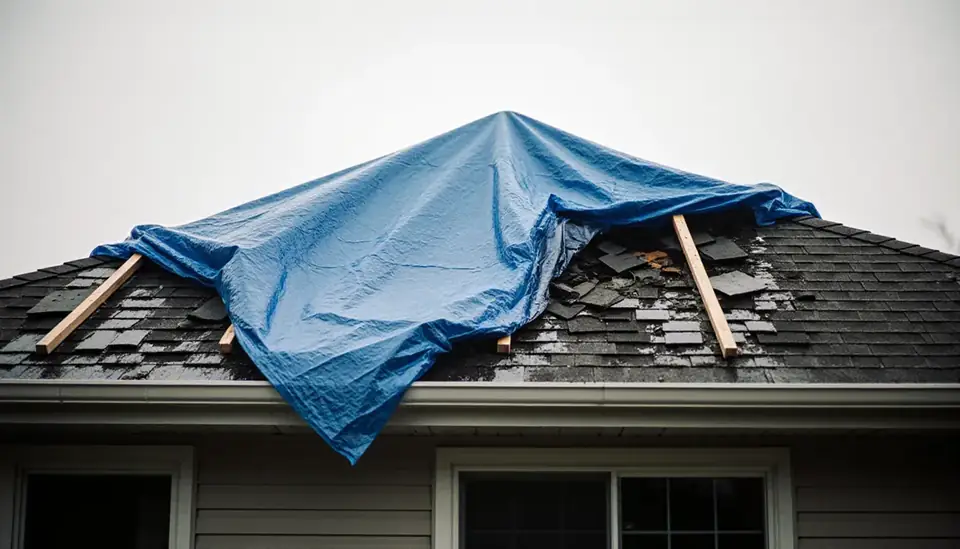
August and September are Page's wettest months, each averaging a little under an inch. That does not sound like much, but monsoon rain tends to arrive in a few heavy bursts with strong wind rather than a steady drizzle. Wind-driven rain gets past window frames, roof penetrations and vents that stay dry the rest of the year. Homeowners commonly find damage days later as a stain spreading across a ceiling or a soft spot in drywall below a window.
- Clear roof drains, gutters and scuppers before July
- Check flashing around evaporative coolers, vents and skylights
- Look for gaps where sand and wind have worn down caulk and seals
- Move stored items in garages off the floor during storm season
Summer Plumbing and Cooling Leaks
Page has reached 111 degrees, and air conditioners and coolers run hard for months. Condensate lines clog, drain pans overflow, and rooftop cooler supply lines crack, sending water into attics and ceilings. Water heaters in garages and closets eventually fail, often slowly enough that the leak spreads under flooring before anyone notices. Because the town dates only to the late 1950s, many homes have plumbing and fixtures from several different eras, so a thorough inspection after one failure can head off the next.
For leaks inside walls or under floors, water damage repair generally means opening the affected area, drying it fully and then rebuilding.
Cold Nights Above Lake Powell
January lows in Page average about 26 degrees, and the record is 11 below zero. Pipes in exterior walls, garages and outdoor plumbing for landscaping or pools can freeze during cold snaps. Homes and rentals that sit empty for part of the year are most at risk; about 14 percent of local housing was vacant in the 2020 census. Keep heat on, insulate exposed lines, and shut off the main if the house will be unoccupied.
Mold in an Arid Town
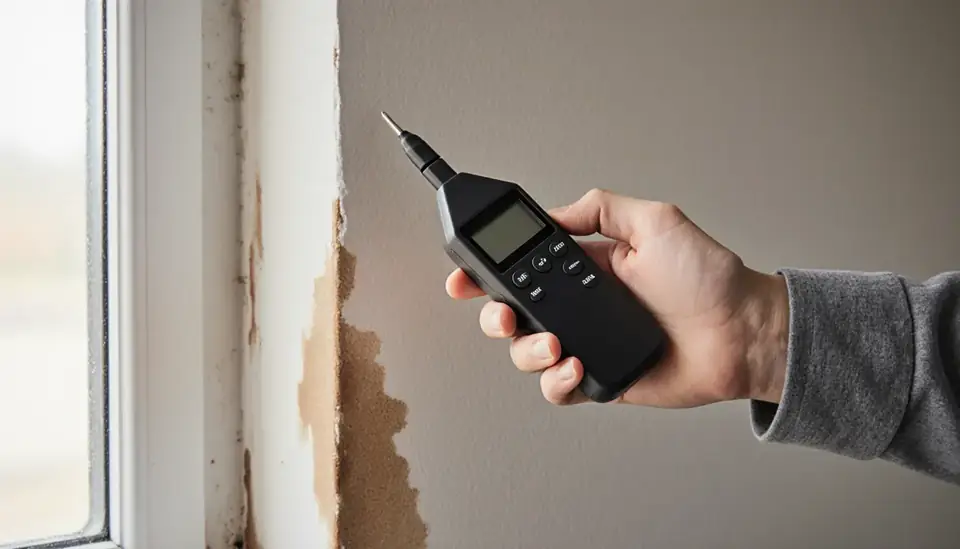
Dry air helps, but it is not protection. Mold grows on drywall, insulation and wood that stay wet, and that happens behind walls, under cabinets and beneath vinyl or laminate flooring where air cannot reach. If a leak ran for a while or water came in during a storm, have the hidden areas checked with a moisture meter. Larger or recurring growth calls for mold remediation with containment, along with a fix for the moisture source.
Where Callers in the Page Area Are
The same line also serves nearby communities such as:
- LeChee
- Kaibito
- Bitter Springs
- Tonalea
Page Water Damage Questions
Is flash flooding a risk to homes in Page or just to slot canyons?
Slot canyons see the most dangerous floods, but town properties can take on water too. Hard ground sheds rain quickly, and runoff can cross lots and enter garages and low doors. Check your address on FEMA's Flood Map Service Center, and keep in mind that standard homeowners insurance usually excludes surface flooding, which requires separate flood coverage.
My ceiling stained after a summer storm. Is it the roof or the cooler?
It could be either, and finding the source matters before repairs. Rooftop coolers, their supply lines and the flashing around them are common leak points, as are clogged scuppers and worn roof seals. A restoration provider can measure moisture in the ceiling and attic to show how far the water spread, while a roofer or HVAC technician fixes the source.
How do I find water damage help in Page when it is so remote?
Call (888) 317-9980 any time. We'll connect you with an independent restoration provider that serves Page; ask about arrival timing on the call. While you wait, shut off the water or power to wet areas if it is safe, photograph damage, and move belongings away from standing water.