
The town took its name from the cottonwood trees along the Verde River, where travelers once stopped to rest. Today Cottonwood is a city of about 12,000 people at roughly 3,460 feet in the middle of the Verde Valley, incorporated in 1960 after decades as a home base for workers at the nearby Clemenceau smelter. The river that gave the city its name is also the source of its most serious flood risk, as residents along its banks saw twice in the space of two years.
Call (888) 317-9980, day or night, and The Restoration Job will connect you at no cost with an independent restoration company that serves the Verde Valley. We are a referral line rather than a contractor, so the provider you are connected with will assess the damage, explain the scope and set the schedule.
How the call works: when you call (888) 317-9980, The Restoration Job connects you with an independent restoration provider that serves Cottonwood. That provider inspects the damage, explains the scope and quotes the work. The Restoration Job doesn't perform restoration itself. Read our referral disclosure.
August 2021: The Verde Rises 17 Feet in an Hour
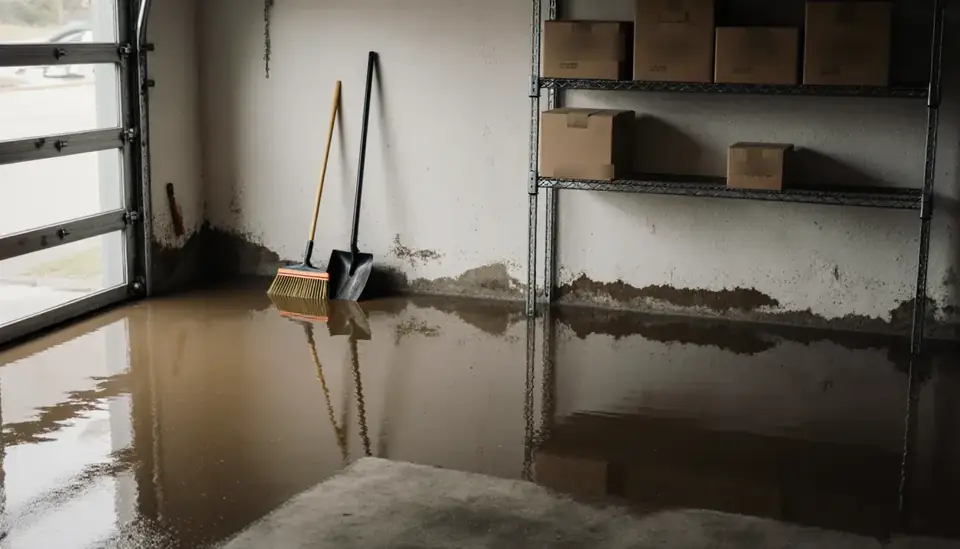
On the evening of August 18, 2021, monsoon storms dropped 3 to 6 inches of rain along the Mogollon Rim, much of it over the Rafael Fire burn scar. The National Weather Service gauge on the Verde River near Clarkdale climbed from 1.91 feet to 19.49 feet in 58 minutes, the second highest crest on record there. Downstream, the Rio Verde RV Park in Cottonwood took 2 to 4 feet of water, Bates Road and Comanche Drive were among the roads closed, and multiple homes along the river in Cottonwood and Clarkdale flooded. One person died.
That event is a useful reminder that the dangerous water may come from storms miles away, after dark, with little local rain. River-adjacent properties and anything below the bluffs need a plan that does not depend on seeing the storm.
Snowmelt Floods Like March 2023
Less than two years later the river flooded again for a different reason. A warm storm on March 21 to 23, 2023 put 3 to 5 inches of precipitation on top of snowpack across the region. The Verde near Clarkdale reached 16.2 feet, its seventh highest crest, and record or near-record levels followed downstream at Camp Verde. Winter and spring floods tend to last longer than monsoon spikes, which means water can sit against foundations and in low-lying structures for more time, and silt is left behind when it recedes.
River water is considered contaminated. After a flood, saturated drywall, insulation, carpet and pad are usually cut out and discarded, surfaces are cleaned and disinfected, and the structure is dried before any rebuilding. That is the core of flood cleanup, and it is different from drying out a clean-water leak.

Old Town Buildings and Decades-Old Plumbing
Cottonwood's Old Town Historic District grew along a Main Street that settlers first cleared in 1908. Older commercial buildings there can have masonry walls, wood floors over crawl spaces, and plumbing and drain lines that have been patched over many decades. Water moves differently in those buildings than in a newer slab home: it soaks into brick and plaster, collects under floor framing, and can be slow to dry. Owners of historic properties should tell the restoration provider what materials are original so that drying and any removal are handled with care.
Cold Valley Nights and Split Pipes
The valley floor gets colder than many visitors expect. January lows average about 26 degrees, and the city's record low is 5 degrees, set on January 13, 1963. Hose bibs, pipes in exterior walls, evaporative cooler lines and plumbing in garages and crawl spaces are the usual weak points. When a pipe splits, close the main valve, open a faucet to drain pressure, and turn off power to any affected circuits. Prompt water damage repair after the drying stage replaces drywall, flooring and trim that could not be saved.
After the Water: Mold Prevention in the Verde Valley
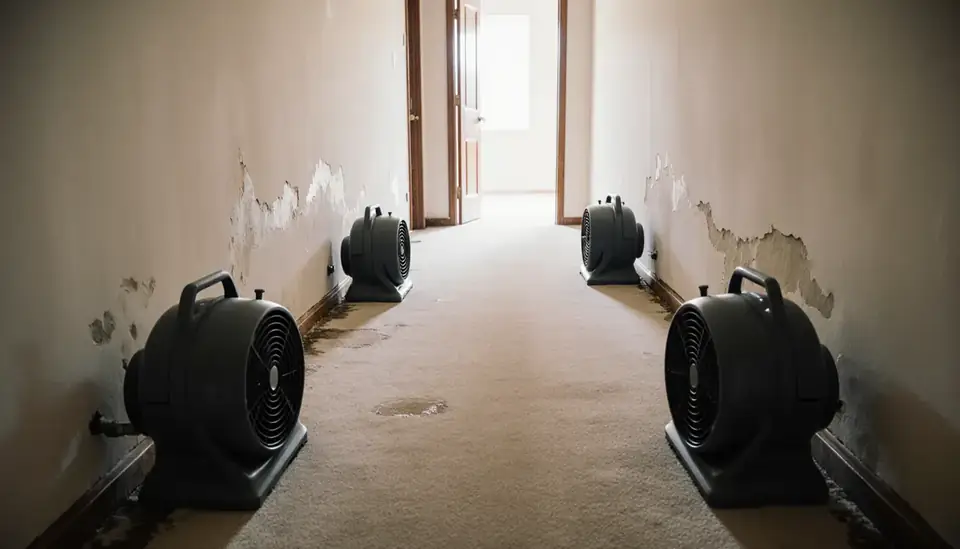
Cottonwood averages only about 12 inches of precipitation a year, but humidity climbs during the monsoon, and floodwater carries organic material that feeds mold. The practical steps are the same whatever the source:
- Remove standing water within the first day if you safely can.
- Get wet porous items such as rugs, cushions and cardboard out of the house.
- Have moisture readings taken inside walls and under flooring, not just on the surface.
- Keep dehumidifiers running until readings confirm materials are dry.
If growth is already visible or the water came from the river, a provider can scope containment and removal as a separate step.
Where Callers in the Cottonwood Area Are
Calls come in from across Cottonwood, including:
- Old Town Cottonwood
The same line also serves nearby communities such as:
- Clarkdale
- Verde Village
- Camp Verde
- Sedona
- Cornville
- Jerome
Frequently Asked Questions
How do I know if my Cottonwood property is in a Verde River flood zone?
Search your address on FEMA's Flood Map Service Center, or ask the Yavapai County Flood Control District for a Flood Hazard Status Report on your parcel. The county's participation in FEMA's Community Rating System can reduce flood insurance premiums by up to 25 percent for policyholders in eligible areas.
The river never reached my house, but my crawl space is wet. Is that flood damage?
It can be. High river levels and saturated ground after storms like March 2023 can push groundwater into crawl spaces and against foundations. Whether insurance treats it as flood, groundwater or something else depends on your policy. Either way, standing water under a house should be pumped out and the area dried to keep wood framing and insulation from staying wet.
Can someone come out at night after a pipe burst in Cottonwood?
Our phone line is open 24/7. When you call (888) 317-9980, we connect you with an independent provider that serves the Verde Valley. Many restoration companies offer emergency service, but availability depends on the company and how busy the area is, so ask about timing on the call.