
Verde Village began in 1970 as a planned retirement community, laid out in eight numbered subdivisions known as Verde Village Units One through Eight. It has since grown into one of the larger communities in the Verde Valley, with about 12,000 residents in 2020, and roughly two-thirds of them are retired. It remains unincorporated and functions as a residential neighbor to Cottonwood, with the Verde River close by.
That history shapes the water damage calls here: houses that have been standing for decades, original or long-serving plumbing, and many owners who would rather not haul wet carpet themselves. The Restoration Job runs a free 24/7 line at (888) 317-9980 that connects you with an independent restoration provider serving the area. We are not the contractor; we help you reach one.
How the call works: when you call (888) 317-9980, The Restoration Job connects you with an independent restoration provider that serves Verde Village. That provider inspects the damage, explains the scope and quotes the work. The Restoration Job doesn't perform restoration itself. Read our referral disclosure.
Decades-Old Homes in Units One Through Eight
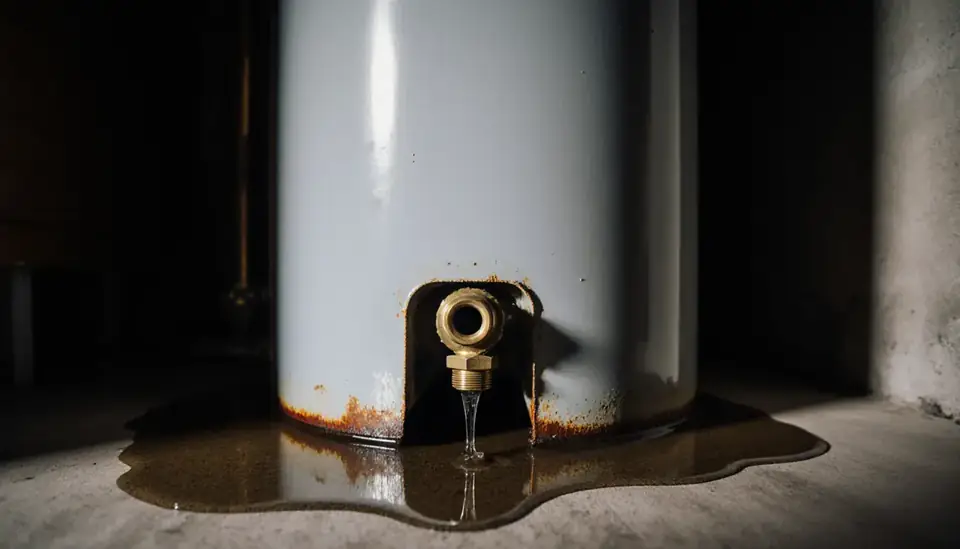
A community that started building in 1970 now has a mix of houses from nearly every decade since. The older ones are where certain failures show up most often: galvanized or early plastic supply lines, water heaters near the end of their service life, toilet and faucet connectors that have hardened, and drain lines that crack or clog. A slow leak behind a vanity or under a kitchen sink can rot a cabinet base and subfloor for months before it shows.
- Know where your main shutoff valve is and make sure it still turns.
- Check the age of the water heater; the date is usually on the label.
- Replace rubber washing machine hoses with braided ones.
- Look under sinks a few times a year for stains or soft spots.
When the Verde Valley Floods
The river corridor next to Verde Village has flooded hard twice in recent years. In August 2021, monsoon rain on the Mogollon Rim sent the Verde near Clarkdale up more than 17 feet in under an hour, flooding homes along the river in Clarkdale and Cottonwood. In March 2023, rain on snowpack produced the seventh highest crest at Clarkdale and record levels farther downstream above Camp Verde, according to the National Weather Service in Flagstaff.
Distance from the channel varies a great deal, and properties near the river or along local drainages should be checked against FEMA flood maps. If outside water does get in, expect flood cleanup to involve removing soaked drywall and flooring, cleaning and disinfecting, and drying before rebuilding.
Monsoon Downpours on Low-Slope Roofs and Patios
NWS Flagstaff notes that much of northern Arizona gets 40 to 50 percent of its yearly rain and snow during the monsoon, which officially runs June 15 through September 30. Brief, heavy storms test roofs, gutters and grading. Ceiling stains after the first big storm of July often trace back to worn flashing, cracked roof coatings, or debris blocking a drain. On the ground, patios and walkways that have settled over the years can tilt water toward the house instead of away from it.
Frozen Pipes on Cold Valley Mornings
Nearby Cottonwood averages January lows around 26 degrees and once recorded 5 degrees, so pipes in garages, exterior walls and attics do freeze here. Disconnect garden hoses in fall, insulate exposed lines, and keep the heat set at a safe level if you travel in winter. A burst line calls for fast water extraction, because clean water that sits on a slab floor wicks into baseboards and the bottom of drywall within hours.

Health, Mold and a Measured Response
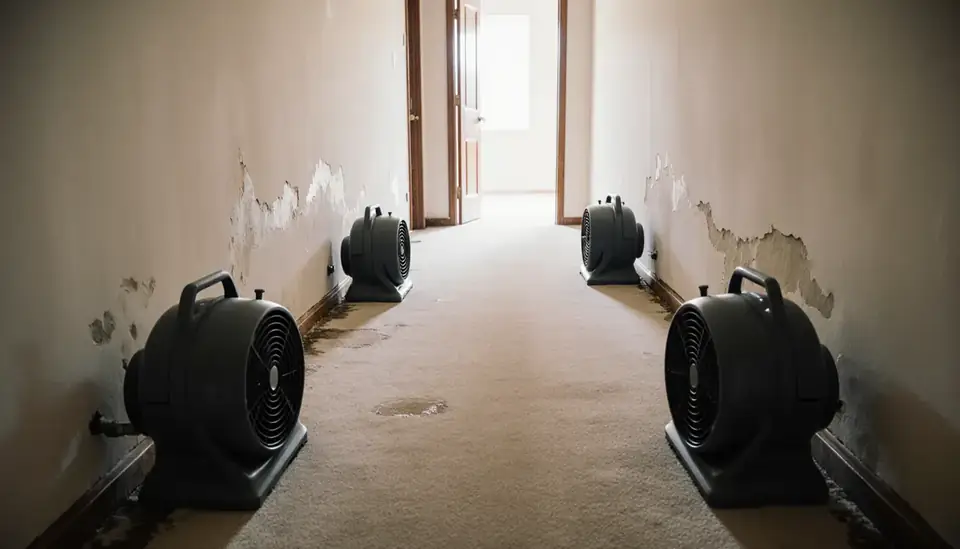
For older residents in particular, damp materials left in place are worth taking seriously. Mold needs moisture and time, and wet carpet pad, drywall or cabinet bases can provide both even in a dry climate. A restoration provider will typically measure moisture inside walls and floors, remove what cannot be dried, and run dehumidifiers until the structure tests dry. If you notice a musty smell or visible growth weeks after a leak, ask for an inspection and a written scope before any work begins. Family members helping from out of town can often handle the call and paperwork for a parent.
Verde Village Neighborhoods and Surrounding Towns
Calls come in from across Verde Village, including:
- Verde Village Units One through Eight
The same line also serves nearby communities such as:
- Cottonwood
- Clarkdale
- Camp Verde
- Cornville
- Sedona
Frequently Asked Questions
Verde Village isn't a city. Who handles floodplain questions?
Because the community is unincorporated, floodplain and drainage questions go to Yavapai County. The Yavapai County Flood Control District can prepare a Flood Hazard Status Report for a parcel on request, and FEMA's Flood Map Service Center shows the official flood zone for any address.
My parent's water heater leaked in Verde Village. Can I arrange help from out of state?
Yes. Call (888) 317-9980 and we will connect you with an independent provider serving the Verde Valley. It helps to have someone on site to let the crew in, or to confirm access arrangements with the provider. Ask for photos and moisture readings so you can follow along and share them with the insurance company.
Is a slow leak under the sink covered by homeowners insurance?
Coverage often depends on whether the damage was sudden or developed over time. Many policies cover a sudden pipe burst but exclude long-term seepage or wear and tear. Read the water damage section of the policy, report the loss promptly, and keep the failed part, since adjusters often want to see it.