
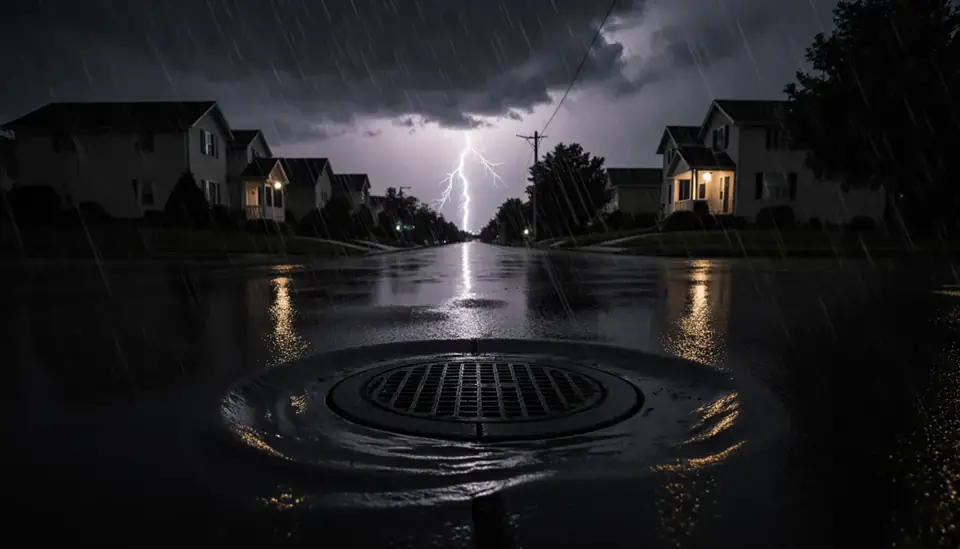
At 4,633 feet, with the Huachuca Mountains rising to the southwest and the San Pedro River running just past the eastern city limits, Sierra Vista gets weather that surprises people who expect a typical desert town. Summer storms build over the mountains and drop heavy rain in short bursts, and winter nights can turn hard enough to split a pipe. The city incorporated in 1956 and annexed Fort Huachuca in 1971, so a large share of homes turn over with military assignments, and many leaks are found by a new tenant, a returning owner or a property manager rather than someone who has lived there for years.
The Restoration Job only makes introductions; it does no repair work in Sierra Vista or anywhere else. Call (888) 317-9980 any time, day or night, and we'll connect you with an independent restoration provider that serves Sierra Vista and the surrounding part of Cochise County. That provider assesses the damage, quotes the work and sets its own schedule; many offer emergency service, though availability varies during a busy storm week.
How the call works: when you call (888) 317-9980, The Restoration Job connects you with an independent restoration provider that serves Sierra Vista. That provider inspects the damage, explains the scope and quotes the work. The Restoration Job doesn't perform restoration itself. Read our referral disclosure.
July and August Deliver Half the Year's Rain
Sierra Vista averages a little over 13 inches of precipitation a year, and roughly half of it falls in July and August, when each month averages around three and a half inches. That rain rarely arrives gently. Monsoon cells form over the Huachucas in the afternoon, then push out over the slope that the city is built on, so runoff moves downhill across streets, yards and driveways toward the San Pedro valley.
For a house, the result is usually one of a few familiar problems: water sheeting across a lot and into a garage or slider door, a flat or low-slope roof section that ponds when a drain clogs, or wind-driven rain forced through window frames and vents. Properties on the uphill side of a neighbor, or next to a natural drainage, tend to see it first. If water entered from outside, plan on flood cleanup rather than a simple mop-up, because storm runoff carries soil and debris into carpet pad and the bottom of drywall.
The February 2011 Freeze and Burst Pipes at Altitude
The city's record low is 4 degrees, set on February 3, 2011. A cold snap like that is exactly when pipes in exterior walls, attics, garages and unheated laundry rooms freeze, and the damage often shows up hours later when the ice thaws and the split pipe starts spraying. Elevation keeps Sierra Vista colder than Tucson on clear winter nights, even in an ordinary year.
- Find the main shutoff before you need it; it is often near where the line enters the house or in a meter box at the street.
- Wrap exposed supply lines and cover outdoor faucets ahead of a hard freeze.
- Leave cabinet doors open on exterior walls during the coldest nights.
- If you are leaving on orders, travel or a long trip in winter, consider shutting off the water and draining the lines.
Once water is spreading, shut it off at the main and start water extraction as early as you can, since standing water under laminate and tile wicks into the subfloor and wall bottoms quickly.

Rentals, Change-of-Station Moves and Vacant Houses
Census figures show about 20,000 housing units in the city, with close to 8 percent vacant in 2020. Between rentals, homes waiting for the next military family and owners who spend part of the year elsewhere, a lot of houses sit empty for stretches. A slow supply-line drip, a failed water heater or a toilet that keeps running can go unnoticed for weeks in an empty home, and by the time someone walks in, the problem has turned into swollen cabinets, warped flooring and mold.
If you rent, report water to your landlord or property manager in writing and take photos right away. If you own and are out of town, ask a neighbor or manager to check the place after big storms and freezes. Either way, the first steps are the same: stop the source, document the damage, and get the wet materials evaluated before they are covered up or repaired.
Drying a Sierra Vista House: Equipment and Timing
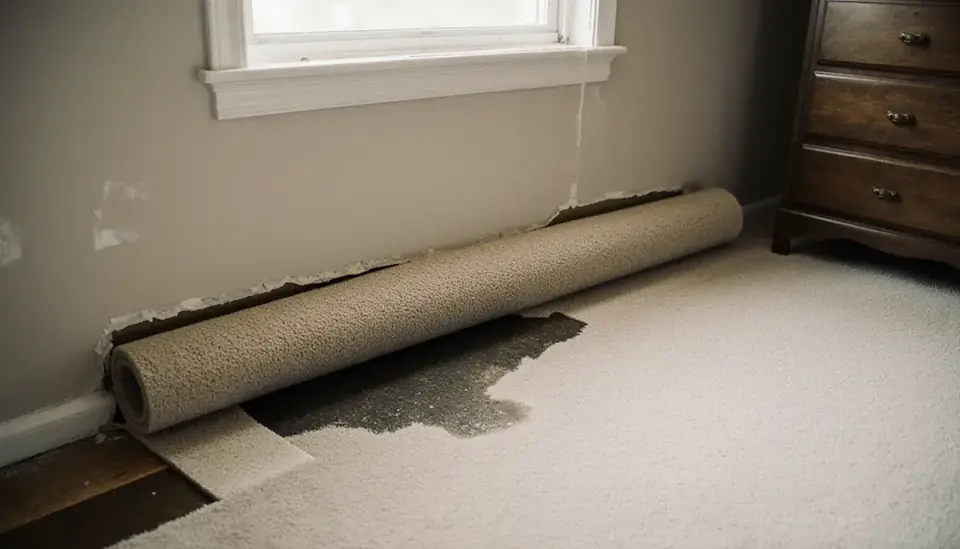
A provider will usually start with moisture readings to map how far the water traveled, including under baseboards and into adjoining rooms. Wet carpet pad is typically pulled; drywall that wicked up storm water is often cut a foot or two above the waterline. Air movers and dehumidifiers then run for several days while the readings come down.
The dry air in Sierra Vista helps for much of the year, but monsoon humidity slows drying considerably, so the equipment may stay longer after a July storm than after a winter pipe break. Ask for the daily moisture log. It shows when materials are actually dry and gives your insurer a record of the water damage restoration work.
Mold Growth After a Wet Monsoon Week
Mold needs moisture more than heat, and a run of humid storm days gives it what it needs. Spots tend to appear behind furniture pushed against an exterior wall, inside sink cabinets, in closets beside a leaking roof section and on the back of baseboards. Small areas on a hard, non-porous surface can be cleaned; growth on drywall, insulation or wood over a larger area is better handled by a mold remediation provider using containment so spores don't spread to clean rooms. Cleanup that skips the leak behind it just resets the clock.
Areas In and Around Sierra Vista
Calls come in from across Sierra Vista, including:
- Fort Huachuca
- Fry
The same line also serves nearby communities such as:
- Sierra Vista Southeast
- Huachuca City
- Whetstone
- Hereford
- Bisbee
- Tombstone
Frequently Asked Questions
Does Cochise County require flood insurance for homes in Sierra Vista?
Only for properties in high-risk FEMA zones such as A or AE, and then generally when there is a federally backed mortgage. Outside those zones coverage is optional. A standard homeowners policy normally excludes surface flooding, so if runoff from a monsoon storm is a concern for your lot, look up your address on the FEMA Flood Map Service Center and ask your agent about a separate flood policy.
Who handles water damage in base housing on Fort Huachuca?
On-post housing has its own maintenance process, so report leaks or flooding through whatever channel you were given at move-in. For a home you rent or own off post, contact your landlord or insurer and, if you need help finding a restoration company, call our free line to be connected with an independent provider that serves Sierra Vista.
Is a burst pipe from a freeze covered differently than storm flooding?
Usually yes. Homeowners policies often cover sudden water from a burst pipe inside the house, while water that flows in from outside during a storm generally needs flood coverage. Coverage can depend on whether the home was heated and occupied. Take photos, keep the broken fitting, and call your insurer early so the adjuster sees the damage before materials are removed.
How quickly can mold start after a leak in Sierra Vista?
In humid monsoon weather, growth can start on wet drywall, carpet pad or wood within a couple of days. In the drier months it may take longer, but hidden moisture inside a wall cavity can stay damp much longer than the room air suggests. Getting materials dried, or removed, in the first day or two is the most reliable way to avoid a larger mold remediation job.