
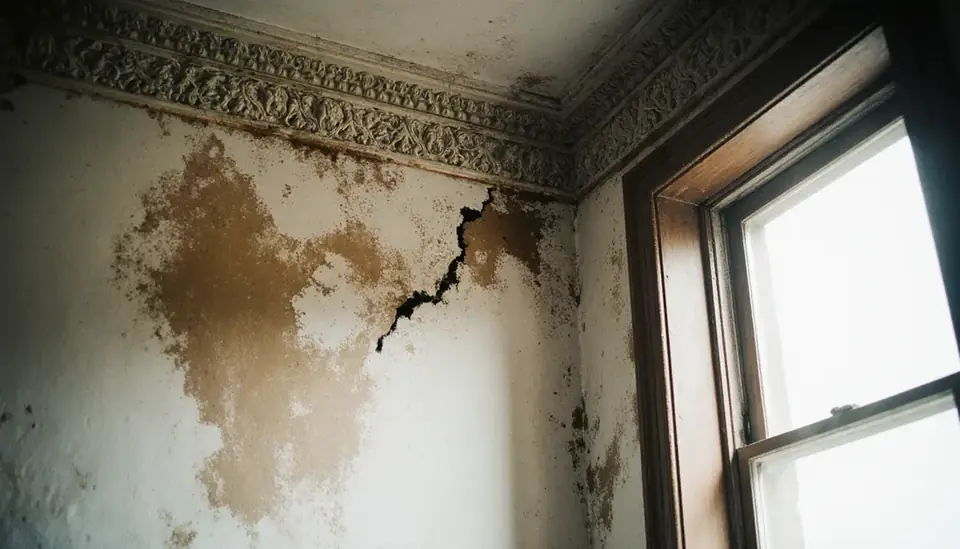
Bisbee climbs the Mule Mountains at about 5,500 feet, and nearly everything about its houses follows from that. The old copper town, founded in 1880 and the Cochise County seat since 1929, packs Victorian homes onto slopes so steep that some buildings have ground-level entrances on more than one floor, and getting around Old Bisbee can mean using some of the 1,034 steps covered by the town's famous stair climb. On a hillside like that, water from a storm or a broken pipe doesn't pool politely. It runs downhill, through walls and into whatever sits below.
The Restoration Job is a free service that connects callers with independent restoration providers. Call (888) 317-9980, at any hour, and we'll connect you with one that covers Bisbee and its neighborhoods, from Old Bisbee down to Warren and San Jose. The provider handles the assessment, pricing and scheduling, and narrow streets or stair-only access are worth mentioning on the first call.
How the call works: when you call (888) 317-9980, The Restoration Job connects you with an independent restoration provider that serves Bisbee. That provider inspects the damage, explains the scope and quotes the work. The Restoration Job doesn't perform restoration itself. Read our referral disclosure.
Nearly 19 Inches a Year in the Mule Mountains
Elevation brings rain. Bisbee averages about 18.6 inches of precipitation annually, noticeably more than the valley towns around it, and around 10.6 inches of that falls from July through September during the monsoon. Storms building over the Mule Mountains can unload on town in under an hour, sending runoff down streets, stairways and drainages toward the lower neighborhoods.
For hillside homes the usual entry points are the uphill wall, where water and mud press against a foundation or retaining wall built into the slope, and the roof, especially older roofs with patched flashing, built-in gutters or low-slope sections. Basements and lower-level rooms dug into the hill can take on water through the wall itself. If runoff brought mud inside, the job calls for storm damage cleanup rather than a towel-and-fan approach.
Snow, Ice and Single Digits on the Hillsides
Bisbee sees a few inches of snow in an average winter and has recorded a low of 2 degrees. Old houses with plumbing run through uninsulated exterior walls, crawl spaces or additions are vulnerable on those nights. Snow melting on a roof can also back up under shingles at the eaves when it refreezes, sending water into ceilings and upper walls.
- Keep heat on in rooms with plumbing, even in a house you only visit on weekends.
- Insulate lines in crawl spaces and under raised floors.
- Clear snow and ice from roof valleys and drains where you can do it safely.
- Know the shutoff location; in some older homes it is in a hard-to-reach spot, so find it before winter.
Repairing Water Damage in a Century-Old House
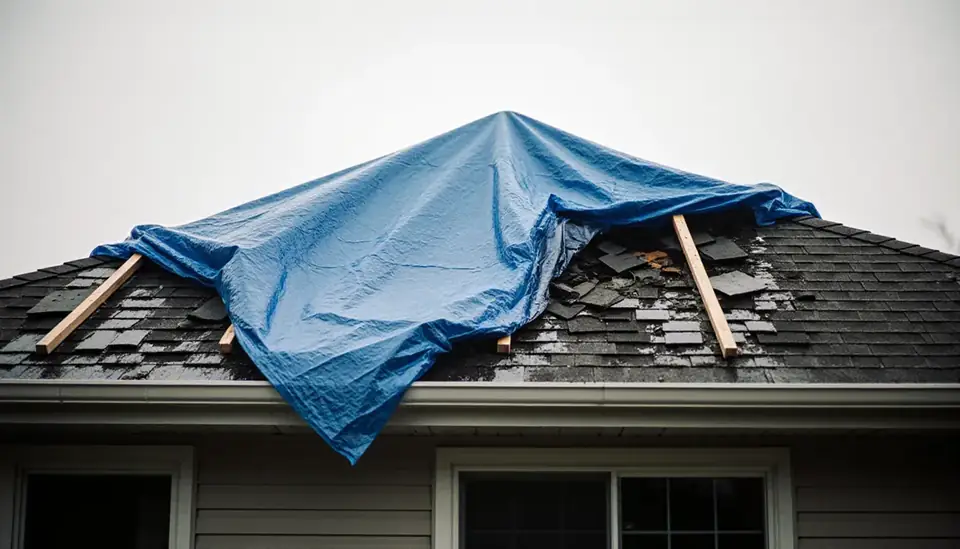
Much of Old Bisbee's housing dates from the mining boom, and much of it has been remodeled more than once. That history matters after a leak. Plaster walls, old-growth wood trim, layered flooring and mixed generations of plumbing can trap water in unexpected places, and a leak on an upper floor can travel along framing to show up a room or two away.
Good water damage repair in a house like this starts with mapping moisture carefully before anything is torn out. Ask how the provider plans to dry plaster and original wood, which materials it expects to remove, and how it will protect finishes and stairways while carrying equipment in. Steep, narrow access can affect what equipment fits and how long setup takes, so be specific about the route into the house.
Warren, Lowell and the Lower Neighborhoods
Bisbee is more than its historic core. Warren, built as Arizona's first planned community, along with Lowell, San Jose and smaller areas like Saginaw, Galena and Bakerville, lies outside the historic core, and not every home there faces the steep-lot issues of Old Bisbee. Common calls include monsoon runoff across a yard into a garage, roof leaks after wind-driven rain, a failed water heater or a supply line under a sink. On a level lot the cleanup is usually simpler, but the same rule applies: stop the source, document it, and start drying quickly.
Mold Behind Plaster and Under Old Floors
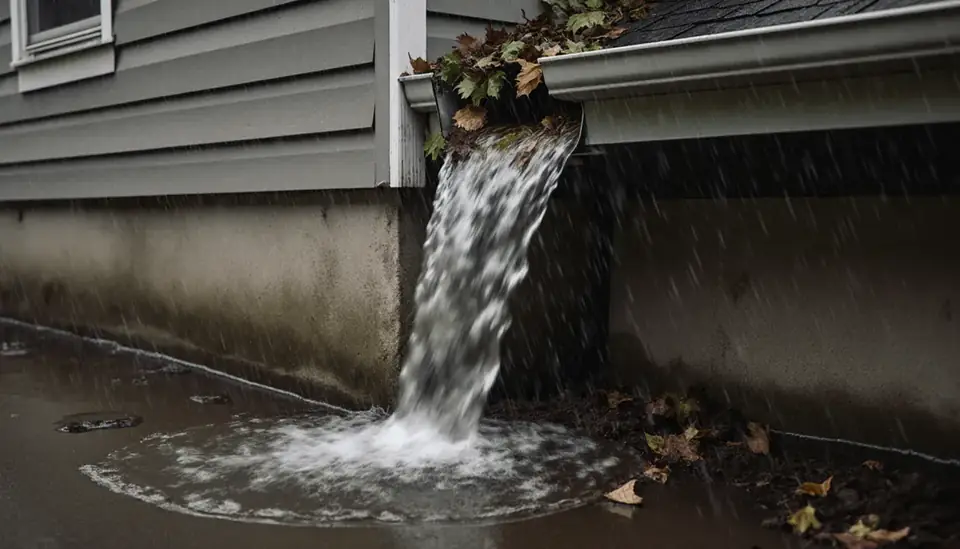
Bisbee's long monsoon and higher rainfall give mold more chances than in drier towns. Watch for musty smells on lower floors built against the hill, staining on plaster near window sills and roof valleys, and soft or discolored subflooring near bathrooms. A patch the size of a hand on tile or painted trim is usually a cleaning job. Growth over a larger area, or inside walls and floors, should be removed under containment by a mold remediation provider, and the moisture that caused it has to be corrected or it will return.
Where Callers in the Bisbee Area Are
Calls come in from across Bisbee, including:
- Old Bisbee
- Warren
- Lowell
- San Jose
- Saginaw
- Galena
- Bakerville
The same line also serves nearby communities such as:
- Naco
- Sierra Vista
- Douglas
- Tombstone
- Hereford
- Sierra Vista Southeast
Bisbee Water Damage Questions
Water from my uphill neighbor's lot is coming into my house. What now?
First deal with the water inside: shut off power to affected rooms if safe, get valuables up, photograph everything and start drying. Then look at where the runoff enters. On Bisbee's slopes, drainage problems often cross property lines, and lasting fixes can involve both owners. Talk to your insurer about the damage, and check with the Cochise County Flood Control District or the city before regrading or building walls.
Can a restoration crew get equipment into a stair-access home?
Usually, but plan for it. Dehumidifiers and air movers are portable, while truck-mounted extraction may not reach a house with stair-only access, so providers sometimes use portable units instead. Describe the access, parking and number of steps when you call so the provider can bring the right equipment and estimate time realistically.
Is a roof leak from ice or snow covered by insurance?
Many homeowners policies cover sudden water damage from ice dams or a storm-damaged roof, but they may exclude damage from long-term wear or deferred maintenance. Coverage depends on your policy. Document the leak and the roof condition with photos as soon as it is safe, limit further damage with a tarp or buckets, and contact your insurer before permanent repairs.