
Sun Lakes is an active adult community of about 14,900 people on the southeast edge of the Phoenix metro, wedged against Chandler on the north and east and the Pinal County line on the south. Its median age was 73.6 in the 2020 census, and many homes belong to residents who spend part of the year somewhere else. Those two facts shape how water damage tends to play out here: a leak may go unnoticed in an empty house, and the person who discovers it may not be the right one to haul out soaked carpet.
The Restoration Job offers a free phone line, (888) 317-9980, staffed 24/7 for referrals. We connect you, or a family member or neighbor acting for you, with an independent restoration provider serving Sun Lakes. The provider does the inspection and work and sets its own pricing; we are not a contractor.
How the call works: when you call (888) 317-9980, The Restoration Job connects you with an independent restoration provider that serves Sun Lakes. That provider inspects the damage, explains the scope and quotes the work. The Restoration Job doesn't perform restoration itself. Read our referral disclosure.
The July 2014 Microbursts and Southeast Valley Storms
Late on the night of July 8 into July 9, 2014, monsoon thunderstorms swept east across the Southeast Valley, and National Weather Service radar showed a series of microbursts between Maricopa and Chandler. Sun Lakes took heavy damage, including large trees falling onto houses. That pattern, a short burst of violent wind followed by heavy rain, is what turns a sound roof into an open one in minutes.
Two months later, on September 8, 2014, moisture from Hurricane Norbert produced record rain in the metro. Phoenix Sky Harbor recorded 3.30 inches, and parts of Chandler, just across the community's boundary, measured close to 6 inches. When a storm of that size arrives, attics, patio roofs and low doorways all become entry points. Storm damage cleanup typically starts with tarping or boarding up openings, then removing water and wet materials inside.
Leaks in Homes Left Closed for the Summer
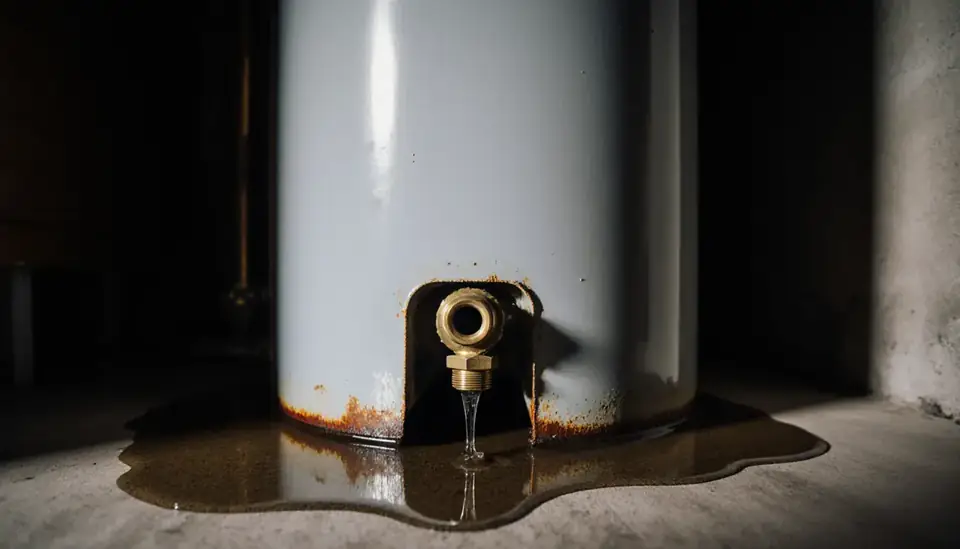
Roughly 14 percent of Sun Lakes housing units were vacant at the 2020 census, a figure that includes seasonal homes. A cracked toilet supply line or a water heater that fails in July can run until a neighbor notices water under the garage door. By then flooring, baseboards and lower drywall may be soaked, and the warm, closed house encourages mold growth.
- Turn off the main water supply before leaving for an extended stay
- Leave a key and contact numbers with a neighbor or property watcher
- Keep the AC set to run so the house does not trap heat and humidity
- Consider a smart leak sensor near the water heater and under sinks
Getting Help Without Doing the Heavy Lifting
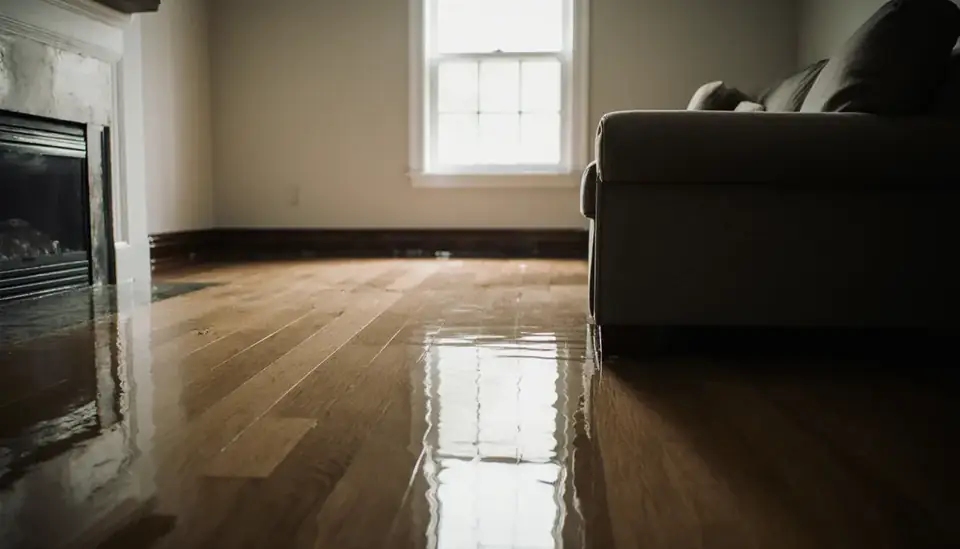
Wet carpet and pad are heavy, and slick tile is a fall hazard. Residents dealing with water damage in Sun Lakes should leave extraction, furniture moving and drywall removal to the restoration crew. What helps most from the homeowner side is simple: stop the water at the shutoff valve if you can reach it safely, switch off breakers serving wet areas, and photograph everything before it is moved.
A provider will usually extract standing water, check walls and cabinets with moisture meters, remove materials that cannot be dried and set equipment for several days. Adult children managing a parent's home from out of state can call on their behalf and ask the provider to share photos and moisture logs by email. Our Arizona service area page covers statewide conditions as well.
Mold Risk in Closed-Up Desert Homes
Dry outdoor air does not stop mold inside a wall that stayed wet for a week. Growth often shows first as a musty smell in a closet, dark spotting at the bottom of drywall or swelling in a vanity base. For residents with respiratory concerns, even modest growth is worth handling carefully. Professional mold remediation uses containment and filtration so cleanup does not spread spores into the rest of the house.

Community Rules, Insurance and Flood Maps
Sun Lakes is organized into country club communities, among them Oakwood, Ironwood, Palo Verde and Cottonwood, and each association has its own rules on exterior work, common walls and contractor access. Check those before major repairs begin. On the insurance side, sudden plumbing failures and wind-driven roof damage are handled differently from surface water entering from outside, which standard homeowners policies generally exclude as flood. The Flood Control District of Maricopa County offers a floodplain lookup and live rain gauge data for the area.
Sun Lakes Neighborhoods and Surrounding Towns
Calls come in from across Sun Lakes, including:
- Oakwood
- Ironwood
- Palo Verde
- Cottonwood
The same line also serves nearby communities such as:
Common Questions
My parent lives in Sun Lakes and I live out of state. Can I arrange help remotely?
Yes. Call (888) 317-9980 and we will connect you with an independent provider serving Sun Lakes. Arrange for a neighbor or the community office to let the crew in, and ask the provider to send photos, a written scope and moisture readings. Notify the homeowner's insurer early and keep copies of everything the provider sends you.
A storm knocked a tree onto the roof. What happens first?
Safety comes first, so stay out of rooms with sagging ceilings and keep away from downed lines. A provider handling storm damage will usually tarp or board the opening to stop more rain, then remove water and wet insulation or drywall inside. Tree removal and structural roof repair may involve separate contractors. Photograph the tree and damage before anything is cut away.
Do I need my association's approval for water damage repairs?
Interior drying and removal of wet materials are usually emergency work you can start right away. Exterior changes, roof work and anything affecting shared walls or common areas may fall under your country club community's rules. Contact the association office early, and keep it informed if a leak may have come from or reached an adjoining property.