
Tanque Verde sits in the valley northeast of Tucson, with the Santa Catalina Mountains rising to the north and the Rincons to the east. Two seasonal streams, Tanque Verde Creek and Agua Caliente Wash, cross the valley, and Pantano Wash joins Tanque Verde Creek to form the Rillito. Settled in the 1860s and named for an algae-green stock tank, the area is now home to about 16,250 people spread across more than 32 square miles, much of it on larger lots with horse properties and land covenants meant to keep it rural.
That setting gives the community a distinct water problem: rain that falls high in the mountains arrives in the valley as fast-moving creek flow, sometimes under clear skies. The Restoration Job runs a free 24/7 line at (888) 317-9980 that connects homeowners here with independent restoration providers serving the northeast side. We are a referral service; the provider you reach does the assessment and the work.
How the call works: when you call (888) 317-9980, The Restoration Job connects you with an independent restoration provider that serves Tanque Verde. That provider inspects the damage, explains the scope and quotes the work. The Restoration Job doesn't perform restoration itself. Read our referral disclosure.
Mountain Rain, Valley Floods: The Creek Record
The National Weather Service's flood history for southeast Arizona reads like a timeline of this valley. On July 26, 1981, a wall of water roughly 15 feet high went over Tanque Verde Falls and eight people died. In early August 1990, 1.8 inches of rain fell in a quarter of an hour over the area and flooded a house. In late July 2006, four to eight inches of rain over five days on the Catalinas and Rincons produced record flows on Sabino and Rincon creeks and flooded homes around the Tucson area.
The event most relevant to homeowners came on July 30, 2010, when a storm over the upper watershed sent an estimated 12,000 cubic feet per second down Tanque Verde Creek, about a 25-year flood, and roughly two dozen homes flooded in the Fortyniners Country Club Estates area. Rainfall rates in that storm reached more than three inches an hour. Earlier, in January 1993, a winter storm pushed the creek to 24,500 cfs, so the threat is not limited to the monsoon.
What the County's Creek Gauges Tell You
Pima County's Regional Flood Control District runs stream gauges on both main channels and publishes what each flow level means on the ground:
- Tanque Verde Creek (middle reach): at about 15,400 cfs at-grade crossings become hazardous; at 20,000 cfs the creek is expected out of its banks; at 28,000 cfs homes near the wash are likely to flood. The county singles out homes along Woodland Road as especially vulnerable.
- Agua Caliente Wash: at 5,000 cfs crossings may be impassable; at 7,000 cfs the wash leaves its banks; at 13,000 cfs flooded homes are expected, especially south of Fort Lowell. Trouble spots include the Tanque Verde Road bridge area, Sundance Drive, Melpomene Way and homes near Conestoga.
The county's MyAlerts flood messaging can notify residents in certain watersheds in near real time. Check whether your address is covered; an early alert may buy time to move vehicles, records and valuables before water gets there.

Cleaning Up After Creek or Wash Water
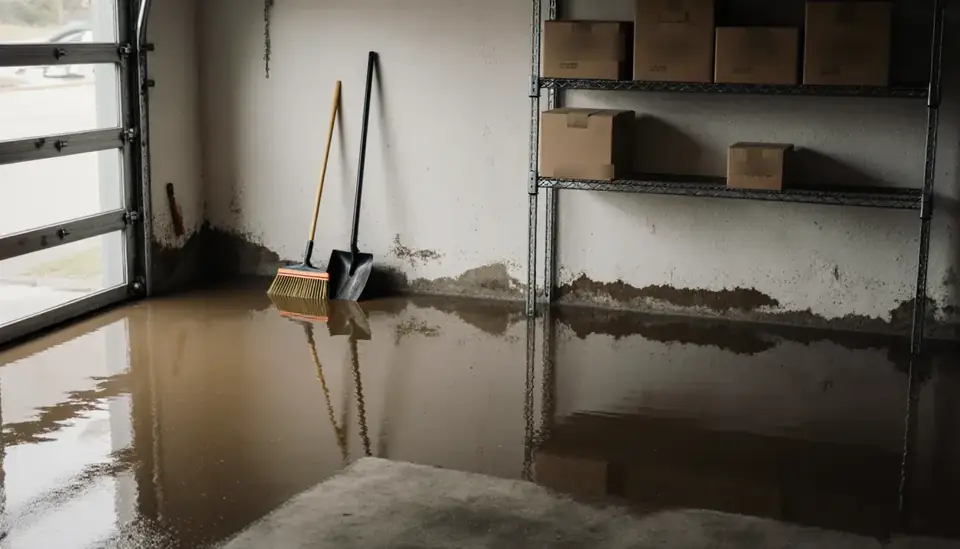
Water that overtops a desert wash is not clean. It carries silt, brush and whatever it picks up on the way, which on rural land can include animal waste and septic overflow, so drywall, insulation and carpet it touches generally have to come out rather than be dried in place. Professional flood cleanup usually starts with mud and water removal, then cutting wet walls above the water line, cleaning and disinfecting framing and slab, and drying with dehumidifiers before rebuilding.
Before anyone goes in, make sure power to flooded rooms is off and the structure is sound. Photograph the high-water mark on walls and furniture. On larger properties, check barns, tack rooms and casitas too; outbuildings often get overlooked until mold shows up weeks later.
Monsoon Wind, Roofs and Hidden Moisture
Not every loss here comes from the creeks. Monsoon thunderstorms bring straight-line gusts that NWS Tucson says can exceed 100 mph in the strongest cells, enough to damage roofs, drop trees onto houses and drive rain through window frames and vents. Ceiling stains after a storm usually mean wet insulation above, which holds moisture against the drywall long after the surface looks dry.
Indoor humidity climbs during the monsoon, and wet materials in a closed room can begin growing mold within days. If water sat for more than a day or two, or if you smell mustiness once things look dry, ask the provider about moisture testing and, if growth is found, mold remediation before walls are closed up.

Floodplain Rules and Flood Insurance
The community is unincorporated, so floodplain permits and maps come from Pima County. The district advises against fences across washes, which trap debris and push water in unexpected directions, and notes that diverting runoff onto a neighbor's property is illegal. Homeowners policies generally exclude flood, so creek and wash overflow requires a separate flood policy; the county's Class 2 Community Rating System status can cut premiums for many unincorporated properties by up to 40 percent.
Where Callers in the Tanque Verde Area Are
Calls come in from across Tanque Verde, including:
- Fortyniners Country Club Estates
The same line also serves nearby communities such as:
- Tucson
- Catalina Foothills
- Vail
- Summerhaven
Questions From Tanque Verde Property Owners
Can Tanque Verde Creek flood my house when it isn't raining here?
Yes. The creek drains the Santa Catalina and Rincon mountains, and storms over those slopes can send a surge down the channel well before the valley sees much rain, if it sees any. The 1981 Tanque Verde Falls flood, a 15-foot wall of water, showed how sudden that can be. Pima County's stream gauges and MyAlerts messages track rising flow, so they are a better signal than the sky overhead.
Which parts of Tanque Verde does the county flag for home flooding?
Pima County's alert pages name homes along Woodland Road on Tanque Verde Creek, and on Agua Caliente Wash the area near the Tanque Verde Road bridge, Sundance Drive, Melpomene Way, homes near Conestoga and homes south of Fort Lowell at high flows. In 2010, about two dozen homes flooded in the Fortyniners Country Club Estates area. The county's inundation maps show the full extent.
Is flood damage from a wash covered by my homeowners policy?
Generally not. Standard policies exclude flood from rising surface water, which includes wash and creek overflow. Wind damage and rain entering through a storm-damaged roof are often treated differently. If you live near either channel, a separate flood policy is worth pricing; Pima County's participation in the Community Rating System can lower premiums for many unincorporated properties.
Do I need a restoration provider if the floodwater was only a few inches deep?
Shallow wash water still carries mud and contaminants and wicks up into drywall and cabinet bases. Even a few inches usually means removing baseboards and the lower portion of walls, cleaning the slab and drying for several days. You can call (888) 317-9980 to be connected with an independent provider serving the area for an assessment.