
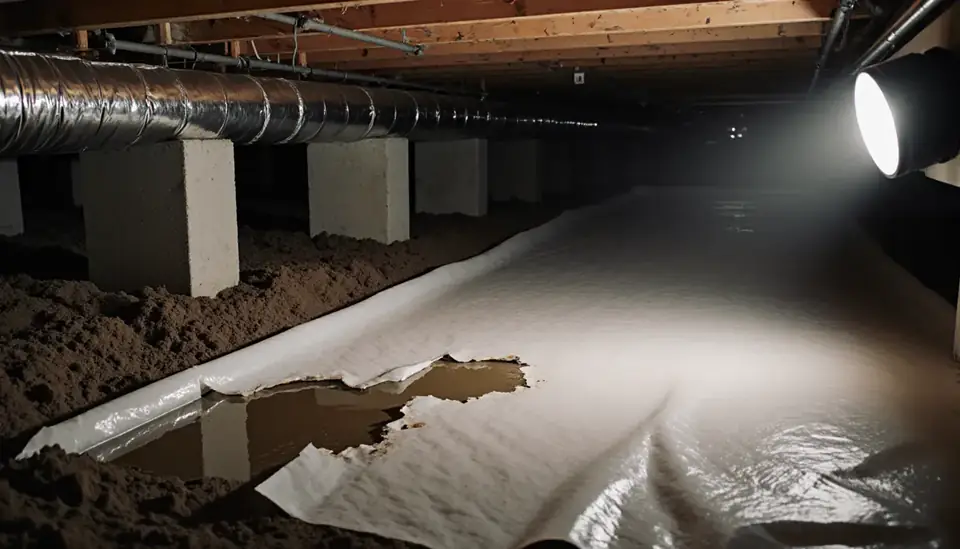
Corona de Tucson sits at about 3,300 feet in the foothills of the Santa Rita Mountains, right against the Coronado National Forest and well above the Tucson basin floor. In 2000 it was a small settlement of 813 people. By 2020 the census counted 9,240, so most of today's homes are recent construction filling a community of young families: the median age is under 36, and nearly 45 percent of households include children. The Vail Unified School District serves the area, and the Corona de Tucson Fire District provides fire protection.
Homes built in the last two decades still flood, leak and grow mold; the causes just look different from those in older neighborhoods. The Restoration Job offers a free referral line, answered 24/7 at (888) 317-9980, that connects Corona de Tucson residents with independent restoration providers serving the southeast Tucson area. We are not a restoration company; the provider handles the inspection, estimate and work.
How the call works: when you call (888) 317-9980, The Restoration Job connects you with an independent restoration provider that serves Corona de Tucson. That provider inspects the damage, explains the scope and quotes the work. The Restoration Job doesn't perform restoration itself. Read our referral disclosure.
Foothill Runoff Below the Santa Ritas
Living on a mountain front means rain that falls above you comes down through your neighborhood. When monsoon thunderstorms hit the Santa Ritas, runoff moves downslope through washes and across graded lots, roads and driveways. NWS Tucson counts flash flooding as the deadliest thunderstorm hazard, and Pima County warns that floods can strike miles from where the rain actually fell.
Wildfire adds another layer. Pima County notes that burned slopes cannot absorb rain the way vegetated ones do, raising the risk of flash floods and debris flows for years until plants recover. For homes near the national forest boundary, a fire on the mountain one summer can change how much water comes off it the next. If a fire burns upslope of your area, treat the following monsoon seasons as higher risk and keep drainage paths around the house clear.
Weak Spots in Newer Construction
Builder-grade homes from the 2000s and 2010s tend to share a handful of failure points:
- Plastic supply lines and compression fittings at toilets, sinks and refrigerators that loosen over time.
- Water heaters in garages approaching the end of their service life.
- Air conditioner condensate drains that clog and spill, sometimes through a ceiling.
- Roof penetrations, such as vents, flues and solar mounts, where sealant has dried out in the sun.
- Yards graded during construction that have settled, so runoff now flows toward the slab instead of away.
A walk around the house after the first big storm of the season often reveals water pooling against the foundation or stains under a roof penetration before they become interior damage.
Getting the Structure Dry
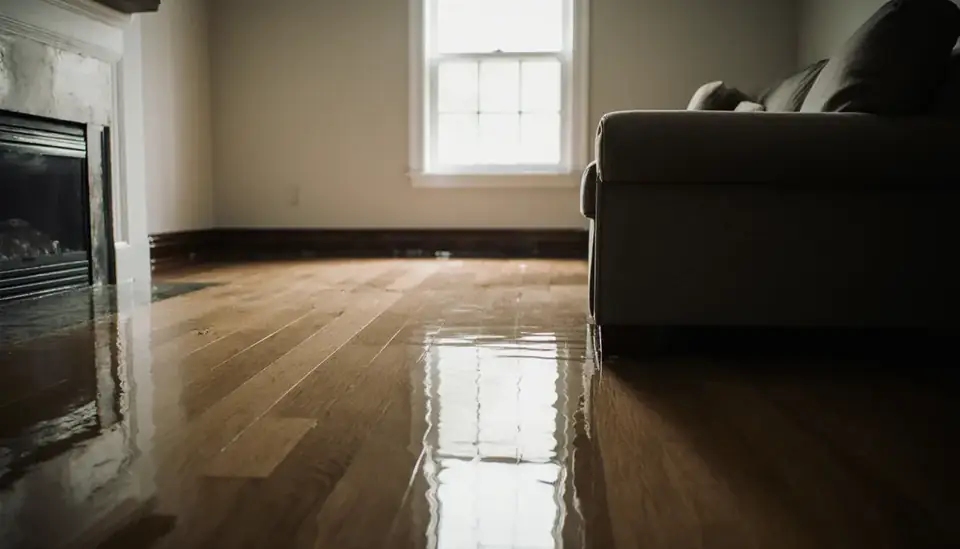
As with most homes in the Tucson area, houses here generally sit on concrete slabs, so water spreads under flooring and wicks up into drywall and cabinet bases rather than draining away. A provider's crew will typically extract standing water, map moisture with meters, remove wet baseboards and carpet pad, and set up dehumidifiers and air movers. Structural drying usually takes several days of monitoring before walls and floors read dry. Rebuilding should wait until those readings confirm it, or trapped moisture can ruin new flooring and paint.
Ask the provider to share daily moisture readings and photos; insurers commonly want that documentation, and it helps you see progress.
Monsoon Humidity and Mold in Closed Houses
Even at this elevation, summer storms bring humid air indoors. Wet drywall, carpet pad or the particleboard under a sink can start growing mold within a few days when the house is closed and the air conditioner is cycling. Watch for musty smells, swollen cabinet bottoms and spotting along the base of walls. If growth turns up after a leak, a provider offering mold remediation will contain the area and remove affected materials rather than simply cleaning the surface.
Flood Coverage and Floodplain Checks
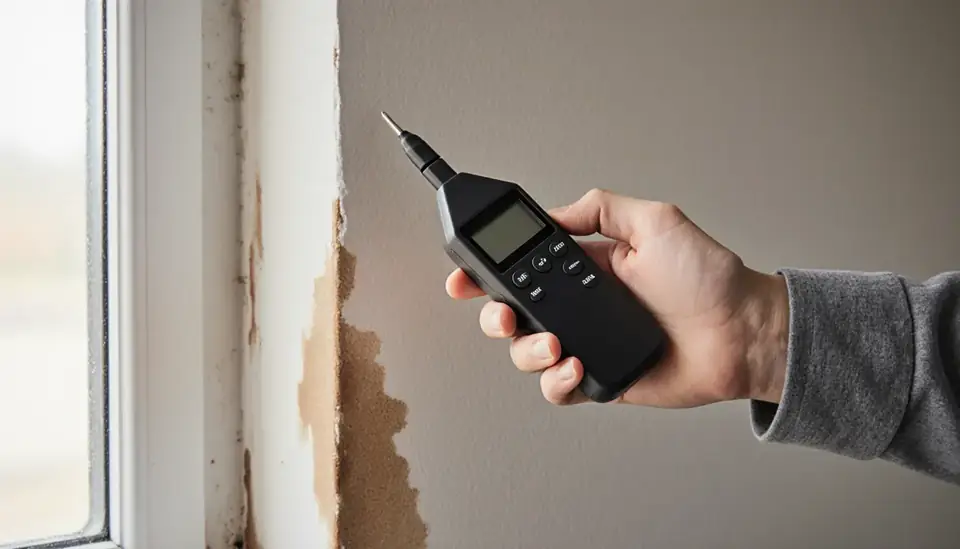
Corona de Tucson is unincorporated, so floodplain mapping and permits come from the Pima County Regional Flood Control District. The district's Class 2 rating in FEMA's Community Rating System can reduce flood insurance premiums for many unincorporated properties by up to 40 percent, and it will confirm a parcel's floodplain status on request. Standard homeowners policies typically exclude surface runoff entering the house, so a separate flood policy is the only coverage for that kind of loss.
Where Callers in the Corona de Tucson Area Are
The same line also serves nearby communities such as:
Questions From Corona de Tucson Property Owners
Our home in Corona de Tucson is only a few years old. Could the builder be responsible for a leak?
Possibly. If a defective fitting, poor roof flashing or faulty drainage caused the damage, a builder warranty may apply depending on its terms and age. Stop the water and start drying first, since waiting makes things worse. Keep the failed part, photograph the source, and notify both the builder and your insurer in writing.
Does a wildfire on the Santa Ritas affect flood risk for nearby homes?
It can. Pima County notes that burned ground cannot absorb rain normally, so flash floods and debris flows become more likely for years after a fire until vegetation returns. Homes downslope of a burn area should keep drainage paths clear, consider flood insurance, and pay close attention to flash flood warnings during the following monsoon seasons.
How do I find a restoration provider who works in the foothills?
Call (888) 317-9980 any time to be connected with an independent restoration provider that serves the southeast Tucson area. Describe the source of water, how many rooms are affected and whether it is clean water, storm runoff or a sewage backup, so the provider can bring the right equipment.