
About 20 miles south of Tucson, Green Valley spreads along the western side of the Santa Cruz River, with Continental across the riverbed and the Santa Rita Mountains filling the eastern view. It is an unincorporated retirement community: the 2020 census counted 22,616 residents with a median age of 73.1, and nearly four in five residents were 65 or older. The community is organized into 59 homeowner associations, and about 40 percent of households are one person living alone.
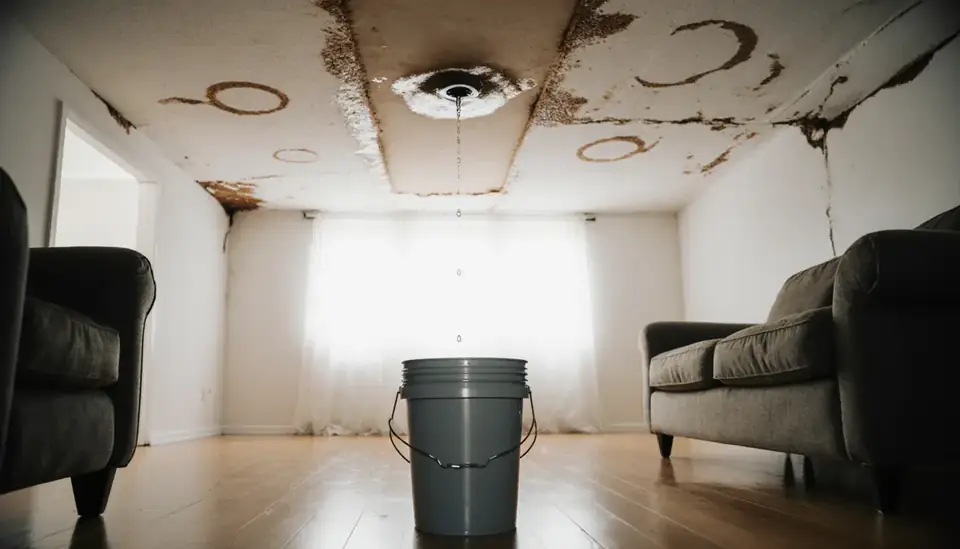
Those details matter after a pipe bursts or a storm opens a roof. A leak can run for days in a house whose owner is away for the summer, and the person who finds it is often a neighbor or an adult child calling from another state. The Restoration Job runs a free 24/7 referral line at (888) 317-9980 that connects you, or whoever is handling things for you, with an independent restoration provider serving Green Valley. We are a call-connection service, not a contractor; the provider you reach inspects, quotes and does the work.
How the call works: when you call (888) 317-9980, The Restoration Job connects you with an independent restoration provider that serves Green Valley. That provider inspects the damage, explains the scope and quotes the work. The Restoration Job doesn't perform restoration itself. Read our referral disclosure.
The Santa Cruz River Next Door
Most days the Santa Cruz is a sandy channel, which makes it easy to forget that it carried the largest floods in Pima County's records. In early October 1983, moisture from Tropical Storm Octave pushed the river to a record crest, and the National Weather Service counts roughly 10,000 people displaced and 1,300 homes damaged or destroyed across the region. Another major round came in January 1993, a winter flood that also hit the Amado area just to the south.
Pima County's Regional Flood Control District publishes alert thresholds for the upper river. At about 24,750 cubic feet per second, the county expects the Santa Cruz to leave its banks from West San Xavier Road south through Green Valley; at 45,000 cfs it expects flooded homes, impassable roads near the river and possible bridge closures. If your home sits near the river corridor, the county's inundation maps are worth a look before monsoon season, not during it.
Monsoon Leaks and What the HOA Covers
Green Valley averages just under 13 inches of precipitation a year, and July is typically the wettest month. In July 1990 the community recorded 10.43 inches in that single month. Summer storms here are short and intense: the NWS Tucson office notes that thunderstorm gusts routinely top 40 mph and the strongest can exceed 100 mph. That is enough to peel back flashing, lift roof coverings and force rain under doors on the windward side.
In attached housing, water rarely stays in one unit. A roof failure over one townhome can stain a shared wall, and a supply line that lets go in one unit can show up in the neighbor's closet. Check your association's governing documents to see whether the roof, exterior walls and shared plumbing belong to the HOA or to individual owners, and notify the association early so its insurer and yours can sort out responsibility while drying gets started.
Leaks Nobody Sees: Seasonal and Solo Households
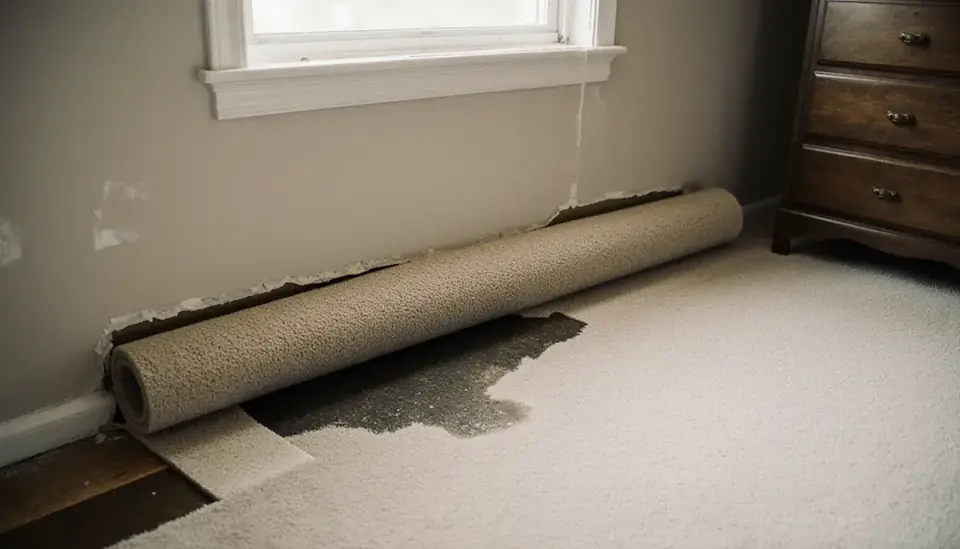
Many of the most expensive water losses in a retirement community are quiet ones: a toilet fill valve that sticks, a water heater tank that weeps into a closet, an ice-maker line under the refrigerator. When nobody is home to hear it, water wicks into drywall, baseboards and the pad beneath carpet for days. Practical steps for part-time residents:
- Shut the main water valve, or at least the water heater supply, before leaving for an extended stay.
- Ask a neighbor or house-watch service to walk through, not just drive by, every week or two, especially after storms.
- Keep the provider and insurance phone numbers where a family member can find them.
- Photograph damaged areas before anything is moved; adjusters will ask for it.
For a resident who lives alone, lifting soaked rugs and moving furniture is a real injury risk. A restoration crew can handle water extraction and set up drying equipment, and it is reasonable to ask the provider to explain the plan to a family member by phone.
Desert Air Does Not Prevent Mold Indoors
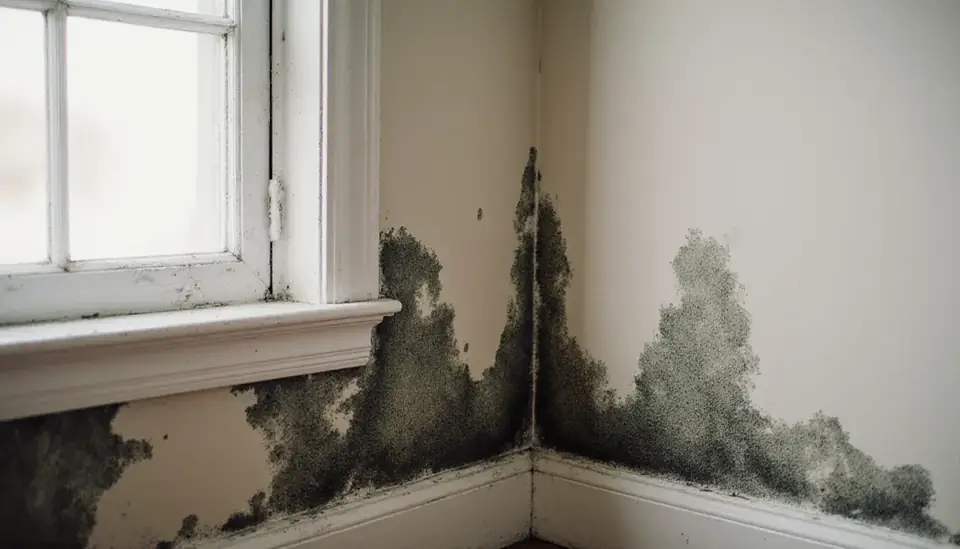
It is tempting to assume that Arizona's dry air will take care of a wet wall. Outdoors it often does. Inside a closed house during the monsoon, when humidity rises and the AC is set high to save energy while owners are away, damp drywall and carpet pad can start growing mold within a few days. The longer a leak went unnoticed, the more likely it is that wet materials need to be cut out rather than dried in place.
A provider will usually take moisture readings behind baseboards and under flooring to map how far the water traveled. If growth is visible or the leak was long-running, ask about mold remediation, which typically involves containing the area, removing affected materials and drying the structure before rebuilding.
Flood Insurance and Floodplain Status
Standard homeowners and condo policies generally exclude flooding from rising water, so a separate flood policy is the only coverage for river or wash overflow. Green Valley is unincorporated, which means the Pima County Regional Flood Control District sets its floodplain rules. The district holds a Class 2 rating in FEMA's Community Rating System, which the county says can mean discounts of up to 40 percent on flood premiums for many unincorporated properties. The district will also confirm the floodplain status of a specific parcel, and it notes that homes have flooded outside mapped FEMA floodplains, so a low-risk map zone does not mean no risk.
Neighborhoods and Nearby Communities
The same line also serves nearby communities such as:
- Sahuarita
- Continental
- Amado
- Tubac
- Corona de Tucson
Green Valley Water Damage Questions
Who pays when a leak in my Green Valley townhome damages the unit next door?
It depends on where the water started and what your HOA documents say about roofs, walls and shared plumbing. Generally the association covers common elements and owners cover their own interiors, but each of Green Valley's many associations writes its own rules. Report the leak to the HOA promptly, take photos, and let both insurers look at the cause before anyone argues about fault. Drying should start right away either way.
I'm out of state for the summer and a neighbor found water on my floor. What should happen first?
Ask the neighbor to shut off the main water valve if they can do so safely, and to take photos. Then call your insurer and arrange for a restoration provider to extract water and begin drying; you can call (888) 317-9980 to be connected with an independent provider serving the area. Many providers will coordinate access with a neighbor or family member and send moisture readings and photos so you can follow progress remotely.
Could the Santa Cruz River actually flood homes in Green Valley?
Pima County's flood alert guidance says yes at very high flows. At roughly 24,750 cubic feet per second the county expects the river out of its banks through Green Valley, and at 45,000 cfs it expects flooded homes and closed roads or bridges near the river. Flows like that are rare, but the 1983 and 1993 floods showed they happen. The county's inundation maps show which streets sit in the affected area.
Does mold really grow in a house this dry?
It can. The outdoor air is dry most of the year, but a closed house during monsoon humidity, with wet drywall or carpet pad, gives mold what it needs. Leaks found late in an unoccupied home are the most common setup. Prompt drying usually prevents it; if materials stayed wet for several days, a provider may recommend removing them rather than trying to dry them in place.