
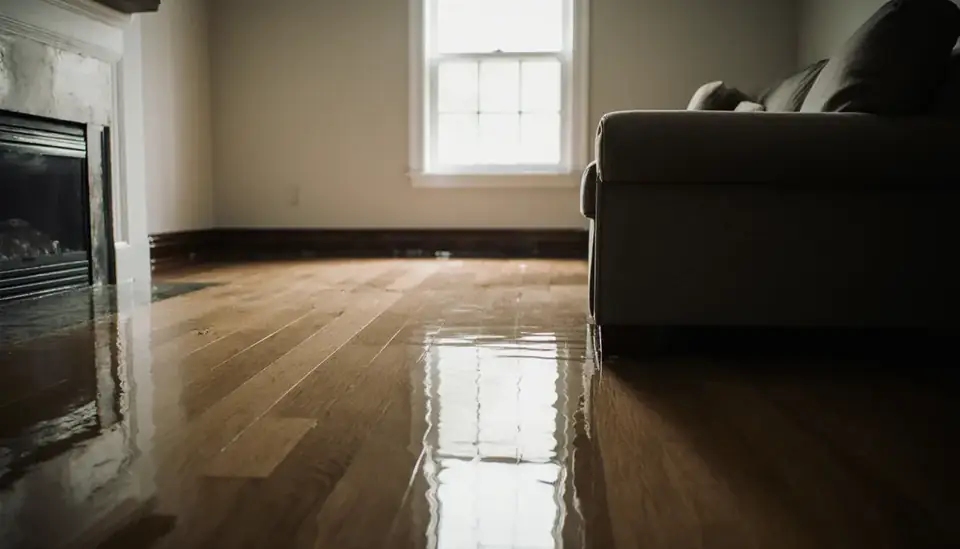
More than half of the occupied homes in Davis are rented, according to the 2020 census, and that single fact shapes how water damage plays out here. A burst pipe in a duplex near downtown or a leaking dishwasher in a North Davis apartment usually involves a tenant who finds it, a landlord who pays for it, and sometimes roommates who all need to be reached at once. With UC Davis enrolling roughly 40,000 students, a lot of those calls come from people handling their first housing emergency.
The Restoration Job runs a free, 24/7 line at (888) 317-9980. We connect callers, whether owners, tenants or property managers, with independent restoration providers that work in Davis. We don't perform the work; the provider you reach does the assessment, extraction and drying and explains the next steps.
How the call works: when you call (888) 317-9980, The Restoration Job connects you with an independent restoration provider that serves Davis. That provider inspects the damage, explains the scope and quotes the work. The Restoration Job doesn't perform restoration itself. Read our referral disclosure.
Tenants, Landlords and Shared Walls in a College Town
Leaks in apartments and attached townhomes rarely stay in one unit. Water from an upstairs bathroom can run along joists and come out of a light fixture next door. When that happens, a few steps keep things orderly:
- Notify the property manager or owner immediately and follow up by text or email so there is a written record.
- Photograph the source, the ceiling or wall, and anything of yours that got wet.
- Find the shutoff valve for your unit, or the toilet or fixture supply valve, before an emergency.
- Check whether you carry renters insurance; the building owner's policy typically covers the structure, not a tenant's belongings.
Students leaving for winter break should set the thermostat on, not off, and ask a neighbor to look in. A slow leak discovered after three weeks is a much larger water damage repair job than one found the same afternoon.
Flat Ground, Putah Creek and the Yolo Bypass
Davis sits at about 52 feet above sea level on ground so level that the city became known for bicycling. That same flatness means rainwater has nowhere fast to go. During a heavy downpour, gutters and storm drains can back up, and water can pond against foundations, under doors and in window wells of homes with low-set entries.
The creek history matters too. Putah Creek once ran near downtown, in the channel now used by the UC Davis Arboretum, until settlers redirected it south of town in 1871. Levees were added along the South Fork in the late 1940s, and Monticello Dam, finished in 1957, now holds back Lake Berryessa upstream. East of the city, the Yolo Bypass floods in more than half of rainy seasons; drivers on the I-80 causeway toward West Sacramento can see it fill. Those systems handle river water, but they do not stop local street flooding, so it is still worth checking your address on the FEMA flood map.
Tule Fog, Freezing Nights and the Rainy Months
Rain in Davis averages around 19 to 20 inches a year and falls mostly from mid-November to mid-March. Late fall and winter also bring tule fog, the dense valley fog that can sit for days. Fog and short winter days keep humidity high indoors and slow natural drying after a leak.
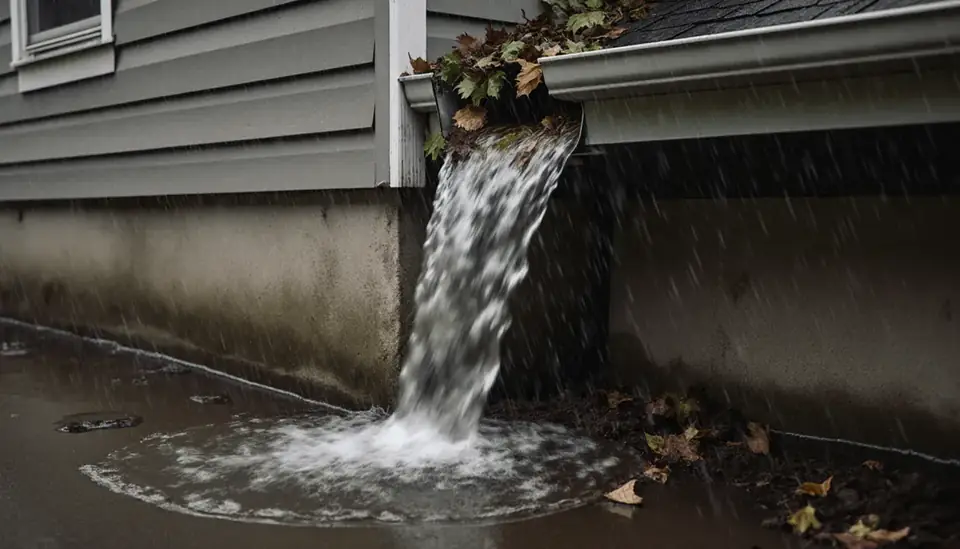
Hard freezes are uncommon but not unheard of; the city's record low is 12 degrees, set in December 1932. A cold snap is enough to split an exposed hose bib or an uninsulated pipe in an exterior wall. Roofs are the other seasonal weak spot. Months of dry heat, with summer afternoons often between 85 and 105 degrees, crack sealant and age shingles, and the first long storm of the season finds every gap. Gutters packed with fall leaves add to the problem by spilling water against siding and foundations.
How a Provider Typically Handles a Davis Water Loss
Expect a moisture survey first. A technician from the provider uses meters and sometimes thermal imaging to map how far water has moved through flooring, baseboards and drywall. Standing water is pulled out with truck-mounted or portable extractors, then dehumidifiers and air movers run for several days while readings are logged.
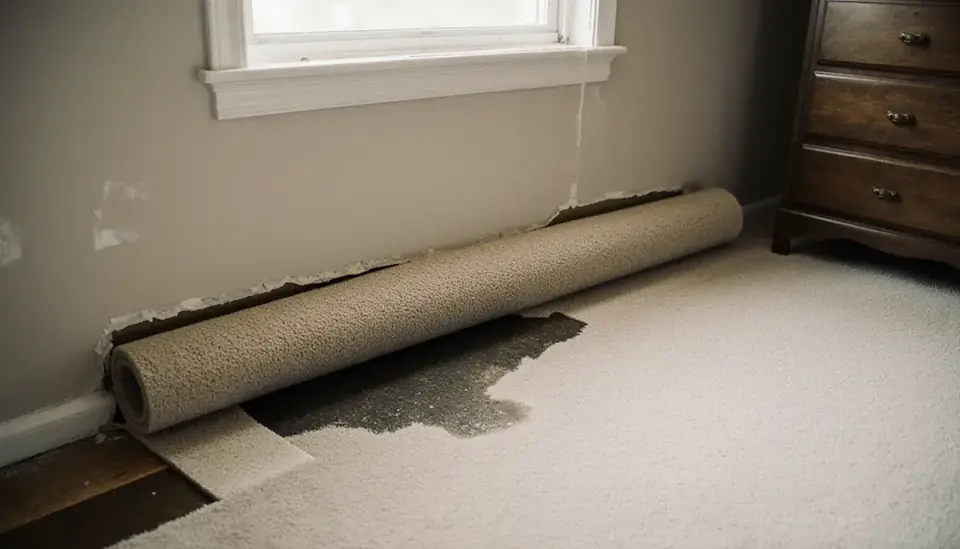
Wet carpet pad, swollen particleboard cabinets and drywall that wicked water high above the floor are often removed rather than dried. Clean supply-line water is the simplest case. Runoff from outdoors or a backed-up drain is treated as contaminated and calls for more removal and sanitizing. For apartment buildings, crews may need access to neighboring units to dry shared walls, so landlords should be ready to coordinate entry. A good provider explains each decision and documents it for the insurance claim. More detail on the full sequence is on our water damage restoration page.
Keeping Mold Out of Older Rentals and Newer Subdivisions
Housing ranges from neighborhoods near downtown, such as Old North Davis, to subdivisions like Mace Ranch, Wildhorse and Stonegate, and mold is not limited to any one era of construction. Tight, newer houses can hold humidity, and bathroom fans that are never run let moisture settle into drywall and caulk. In rentals that have turned over many times, plumbing under kitchens and bathrooms may have been patched over the years, and small leaks inside cabinets can go unseen.
Mold tends to appear when materials stay wet for more than a day or two, which is easy in a foggy January. Watch for a musty smell, soft drywall, or spotting along the base of walls and inside sink cabinets. Large or hidden growth calls for mold remediation with proper containment. Tenants who see mold should report it to the owner in writing.
Neighborhoods and Nearby Communities
Calls come in from across Davis, including:
- Downtown Davis
- Old North Davis
- Village Homes
- Mace Ranch
- Wildhorse
- Stonegate
- Rancho Yolo
- Willowbank
The same line also serves nearby communities such as:
- Woodland
- West Sacramento
- Winters
- Dixon
- Esparto
Davis Water Damage Questions
Who pays when water damages my Davis apartment?
In most leases the owner is responsible for repairing the building, including drying walls, floors and cabinets, and the owner's insurance usually handles that. Your own belongings, like furniture, a laptop or clothing, generally fall under renters insurance if you have it. Read your lease, report the leak in writing, and take photos before anything is moved or thrown away.
Does Village Homes' natural drainage change how flooding works there?
Village Homes, completed in 1982, was designed with bioswales and natural drainage channels that collect stormwater for irrigation instead of sending it straight into pipes. That approach can slow runoff, but individual homes still face the same indoor risks as anywhere else: supply lines, water heaters, roof leaks and plumbing failures. Keep swales near your house clear of debris so water can flow away from foundations.
Is the Yolo Bypass a flood risk for homes in Davis?
The bypass east of town is a designed floodway that carries Sacramento River overflow and is regularly flooded in wet years. Water in the bypass is normal and not by itself a sign that city neighborhoods will flood. Local risk in Davis more often comes from heavy rain overwhelming streets and drains. Follow NWS Sacramento and city emergency updates during big storms.
I'm leaving town over winter break. How do I avoid coming back to a flooded unit?
Keep the heat set low rather than off, close the main valve if your landlord allows it, and make sure the owner has a way to reach you. Clear the gutter or drain outside a ground-floor door if that is your responsibility. Ask a roommate or neighbor to check the unit after any big storm or cold night.