
Clovis grew from a railroad freight stop and lumber-mill town into a city of more than 120,000 people, and most of that growth is recent. The census counted 13,856 residents in 1970 and 120,124 in 2020. Drive east from Old Town toward the Sierra foothills and you pass decade after decade of subdivisions, which is why the water problems seen here tend to be plumbing and appliance failures in relatively modern houses rather than river floods. The city averages only about 11 inches of rain a year, and the summer months are usually bone dry.
Our free phone line, (888) 317-9980, is answered around the clock and puts callers in touch with independent restoration providers working in this corner of Fresno County. We are not a contractor and do not do the work ourselves; providers often offer emergency service, though timing depends on the company.
How the call works: when you call (888) 317-9980, The Restoration Job connects you with an independent restoration provider that serves Clovis. That provider inspects the damage, explains the scope and quotes the work. The Restoration Job doesn't perform restoration itself. Read our referral disclosure.
Fifty Years of Subdivisions and What Wears Out First
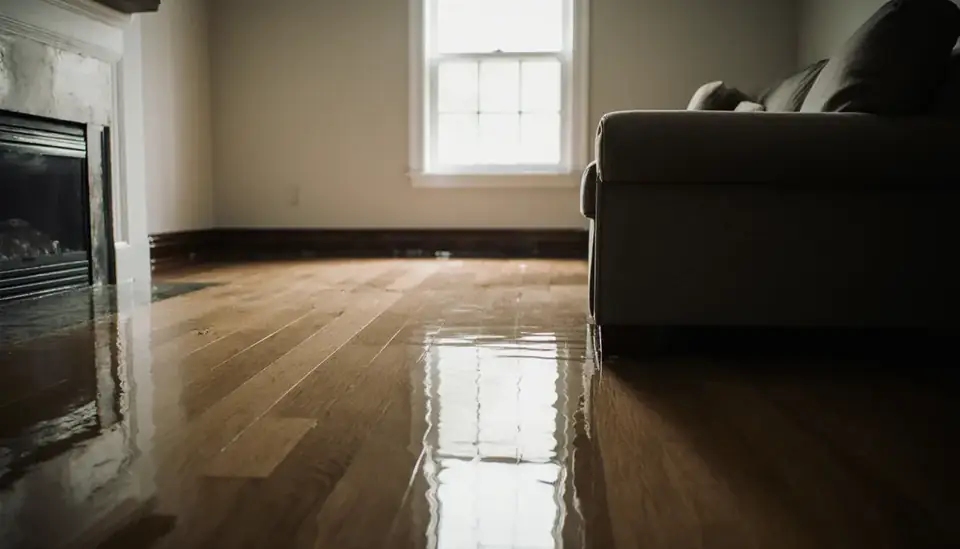
A house built in the late 1970s or 1980s is now forty-plus years old, and one built during the 2000s boom is reaching the age when original water heaters, supply hoses and fill valves start to fail. Around town, the calls that usually turn into water damage restoration jobs include:
- Tank water heaters in garages or interior closets leaking from a corroded base
- Braided or plastic supply lines under sinks and toilets splitting without warning
- Washing machine hoses bursting while nobody is home
- Slab leaks in homes built on concrete foundations, often noticed as a warm floor, a hissing sound or a water bill that jumps
- Ice maker and dishwasher lines leaking slowly under cabinets and laminate flooring
The first step is always the same: shut off the main valve, then cut power to any wet circuits. After that, water damage repair means locating and fixing the failed line before anything is dried or rebuilt.
Basins, Storm Drains and the Few Low Spots in Town
Storm water in Clovis is handled by the Fresno Metropolitan Flood Control District, which manages a 399-square-mile watershed between the Kings and San Joaquin rivers. Its system includes three dams that protect the Fresno and Clovis urban area, seven large detention basins and more than 150 stormwater retention basins linked by over 700 miles of pipe. That network does most of its work out of sight, and in an ordinary winter street flooding clears quickly.
The system has limits, though. Part of the city falls inside the mapped 100-year flood zone, including some of the area near Clovis Towne Center. If your property is near a basin, a mapped flood zone or a low corner where water collects during heavy rain, look up the address on the FEMA flood map and read your insurance policy. Standard homeowners policies generally do not cover rising surface water; that requires separate flood coverage. Surface water entering a building calls for flood cleanup procedures, because that water carries soil, oil and debris from streets and yards.

Triple-Digit Summers and Air Conditioner Leaks
July afternoons here average in the upper 90s, and air conditioners run for months. Many homes have the air handler in the attic or a hall closet, with a condensate line and a drain pan underneath. When that line clogs with algae or the pan rusts through, water drips into ceiling drywall or seeps into flooring at the base of the closet. The leak can go on for weeks before a brown ring shows up on the ceiling.
A few habits help: flush the condensate line in spring, check that the overflow safety switch works, and look at the pan when filters are changed. If a ceiling is sagging, stay out from under it and switch off the system. Wet insulation over the ceiling usually has to come out, and the joists need to be checked with a moisture meter before patching.
Drying a Home in Dry Air, and Where Mold Still Grows
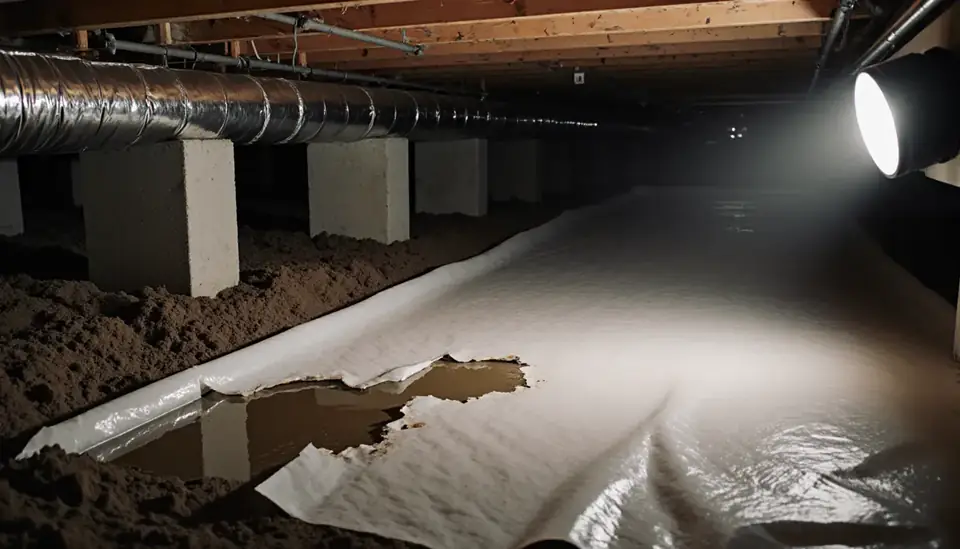
Low summer humidity speeds evaporation from exposed surfaces, but it does nothing for water trapped under vinyl plank, inside wall cavities or beneath cabinets. That hidden moisture is where mold takes hold locally, often in a bathroom wall behind a slow leak or under a kitchen sink. Winter is a different story: the valley's tule fog season and cool nights slow drying considerably, so a December leak can take longer to dry out than a July one.
A restoration provider will typically measure moisture in framing and subfloor, remove materials that cannot be saved, and set up dehumidifiers and air movers for structural drying until readings return to normal. Musty odors, staining that spreads, or peeling paint near a known leak are signs to have the area opened up. Small patches on hard surfaces can be cleaned; mold growing inside drywall usually means cutting it out.
Old Town Clovis and Older Commercial Buildings
The historic downtown, Old Town Clovis, has restored early twentieth-century commercial buildings alongside shops and restaurants. Older buildings like these often share walls, have flat or low-slope roofs, and may have plumbing that has been modified many times. A roof drain that clogs before the first winter storm or a failed supply line upstairs can affect the neighboring tenant as well. Business owners should know where their shutoff valves are, who is responsible for the roof under their lease, and document damage with photos before cleanup begins.
Neighborhoods and Nearby Communities
Calls come in from across Clovis, including:
- Old Town Clovis
The same line also serves nearby communities such as:
- Fresno
- Sanger
- Tarpey Village
- Friant
- Old Fig Garden
Questions From Clovis Property Owners
Does Clovis get serious flooding?
River flooding is not the usual problem in Clovis. The Fresno Metropolitan Flood Control District runs dams, detention basins and retention basins that handle storm runoff for the Fresno and Clovis area. Still, part of the city lies in a mapped 100-year flood zone, including some land near Clovis Towne Center, and intense rain can overwhelm drains locally. Check your address on the FEMA flood map and ask your agent whether you need separate flood insurance.
Our water bill doubled and the floor feels warm. What does that suggest?
Those are common signs of a slab leak, where a pressurized line under the concrete foundation is leaking. Many local houses sit on slabs. Turn off the water at the main and call a plumber who does leak detection. Once the leak is repaired, a restoration provider can check flooring, baseboards and lower walls for moisture and dry them before mold has a chance to start.
Is mold a real concern in a city this dry?
It can be. Dry outdoor air helps exposed surfaces, but mold grows where water is trapped, such as inside walls, under flooring and beneath cabinets. Slow leaks that go unnoticed for weeks are the usual cause locally. Winter fog and cool nights also slow drying. Have hidden moisture measured rather than assuming it has dried on its own.
How does your phone line work for Clovis callers?
Call (888) 317-9980 any time. There is no charge for the call; it simply links you to an independent restoration company covering the northeast Fresno area. That company handles the inspection, estimate and work directly with you, and you decide whether to hire them.