
At the northern tip of the Central Valley, Redding straddles the Sacramento River where the valley floor gives way to the Cascade foothills. Downtown sits near 495 feet, while neighborhoods to the north, east and west climb to between 550 and 800 feet. The city averages about 33 inches of rain a year, mostly from October through April, which is roughly three times what Fresno or Bakersfield receive. Summers are the other extreme, with July highs near 100 degrees and a record of 119 set on July 6, 2024.
The Restoration Job offers a free, 24/7 phone line at (888) 317-9980 for Shasta County residents. We put callers in touch with independent restoration providers serving the area; we do not perform repairs ourselves. Providers often offer emergency service, but timing varies from one company to the next.
How the call works: when you call (888) 317-9980, The Restoration Job connects you with an independent restoration provider that serves Redding. That provider inspects the damage, explains the scope and quotes the work. The Restoration Job doesn't perform restoration itself. Read our referral disclosure.
Shasta Dam, Keswick and the Sacramento River Through Town
Shasta Dam, completed in 1945 a short distance upstream, and Keswick Dam about nine miles below it regulate the river as it passes through the city. Shasta provides considerable flood protection and can control river flows up to about 79,000 cubic feet per second, a level that was exceeded in both 1970 and 1974. Most winters, the river stays within its banks, and the bigger local problems come from heavy rain on hillsides, overwhelmed culverts and runoff from steep lots.
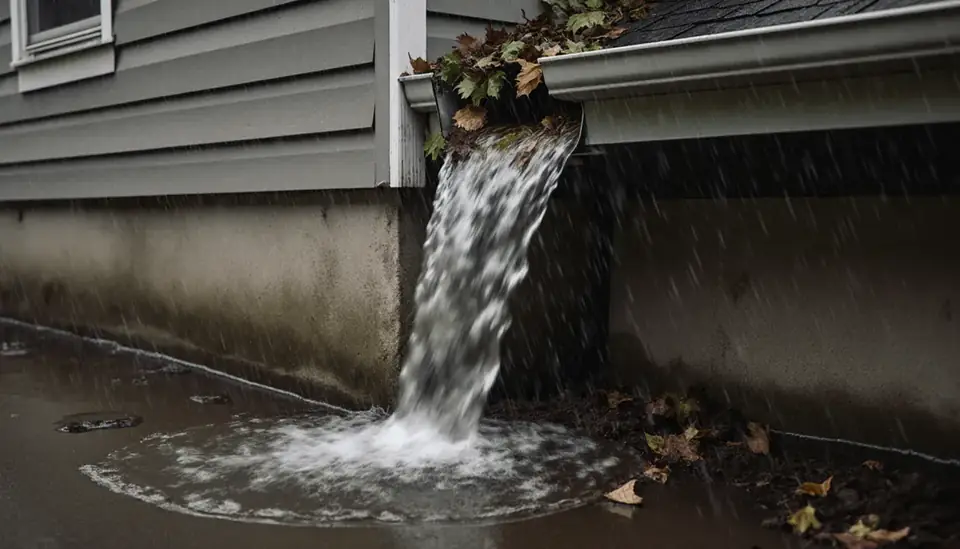
Storms can be long and intense. Between December 26, 2022 and January 11, 2023, the city recorded about 10.8 inches of rain. Properties on slopes may see water running toward foundations or under doors, while homes near drainage channels can see ponding. Check the FEMA flood map for your address and ask your insurer whether you need flood coverage, which is separate from a standard homeowners policy.
Wind, Falling Limbs and Roofs in Winter Storms
Winter storms can bring wind along with rain, and tall trees around homes become a hazard when soil is saturated. A limb through a roof or a damaged section of shingles can let water into an attic for hours before anyone notices. Rare valley snow adds weight: storms in December 1909 and December 1968 each dropped about 23 inches. After a storm:
- Look for missing shingles, dented flashing and water stains on ceilings
- Cover openings with a tarp only if it can be done safely from the ground or a stable ladder
- Photograph damage before any temporary repairs
- Check the attic for wet insulation, which loses its value once soaked
Storm damage cleanup usually combines emergency roof protection, removal of wet ceiling materials and thorough drying of the attic and walls.

After the Carr Fire: Rebuilt Homes and Burned Slopes
The Carr Fire of July 2018 destroyed more than 1,100 buildings in the Redding area and forced 38,000 people to evacuate, and the 2021 Fawn Fire destroyed 185 more. Homes rebuilt since then still need attention in its first wet seasons: check that gutters, downspouts and grading carry water away from the foundation, and watch for leaks at new plumbing fixtures and roof penetrations. Burned or bare hillsides shed water faster than vegetated ones, so properties below them may get more runoff during heavy rain until plants re-establish.
Hot Summers, Indoor Leaks and Drying
Overnight lows in summer can stay in the upper 70s, so air conditioners run day and night for weeks. A clogged condensate drain or a cracked drain pan under an attic unit can quietly soak ceilings. Water heaters, washing machine hoses and supply lines under sinks are the other frequent culprits in the dry months. For any indoor leak, shut the water off at the main and turn off power to wet areas. A provider handling water damage restoration will extract standing water, remove materials that cannot be saved, and run dehumidifiers until moisture readings in framing and subfloor return to normal.

Mold Risk From Wet Winters and Crawl Spaces
A wet season that lasts half the year gives mold plenty of chances. Typical spots include crawl spaces that take on water during long storms, attics below small roof leaks, and walls behind showers or sinks. Signs include a musty odor that lingers, dark spotting on baseboards or ceiling drywall, and floors that feel soft or cupped. Drying materials completely within a day or two of a leak is the most effective prevention. Once growth covers a large area or is inside walls, containment and removal by a professional is usually the safer route.
Redding Neighborhoods and Surrounding Towns
Calls come in from across Redding, including:
- Downtown Redding
- Enterprise
The same line also serves nearby communities such as:
- Anderson
- Shasta Lake
- Palo Cedro
- Cottonwood
- Bella Vista
- Keswick
- Centerville
Common Questions
Does Shasta Dam protect Redding from all river flooding?
It provides substantial protection, controlling river flows up to about 79,000 cubic feet per second, but that threshold has been exceeded before, in 1970 and 1974. Local flooding from heavy rain, overwhelmed culverts and hillside runoff is also outside what the dam can control. Check your address on the FEMA flood map and ask your agent about flood insurance.
How do I get emergency alerts in Shasta County?
Shasta County's preparedness site, Shasta Ready, links to Alert Shasta and Genasys Protect for emergency notifications and evacuation information. The National Weather Service office in Sacramento issues flood watches, winter storm warnings and wind advisories for the northern valley. Signing up before winter gives you time to prepare when a strong storm is forecast.
A tree limb went through our roof during a storm. What first?
Make sure everyone is safe and stay out of rooms with sagging ceilings. Turn off power to affected areas if water is near fixtures or outlets. Photograph the damage, then arrange emergency tarping and tree removal. Contact your insurer promptly. Wet insulation and drywall typically need to come out so the framing can be dried.
Who shows up when I call the line?
Calling (888) 317-9980 is free. The Restoration Job is a referral service, so you will be connected with an independent restoration provider that serves the Redding area. That company provides its own estimate and contract, and you are free to ask questions before deciding.