
The railroad camp once called Big Shanty became Kennesaw in 1887, and the city now wraps around the northwest flank of the mountain that shares its name. Kennesaw Mountain tops out at 1,808 feet, the highest point in metro Atlanta, while the city itself sits closer to 1,090 feet. That drop matters during a downpour: water sheds off the ridges and heads for Butler Creek and the other streams that drain this corner of Cobb County.
A free phone line, staffed 24/7, is what The Restoration Job provides. Call (888) 317-9980 and we'll connect you with an independent restoration company that serves Kennesaw. You get a direct line to someone who can assess the water, and the provider you speak with does the actual work.
How the call works: when you call (888) 317-9980, The Restoration Job connects you with an independent restoration provider that serves Kennesaw. That provider inspects the damage, explains the scope and quotes the work. The Restoration Job doesn't perform restoration itself. Read our referral disclosure.
Butler Creek and the Kennesaw State Flooding of 2009
On September 21, 2009, the National Weather Service recorded Butler Creek at Kennesaw cresting at 14.27 feet against a 12-foot flood stage. The same storm system flooded parts of the Kennesaw State University campus; accounts from that week describe water pouring into the Social Science building and classes canceled for several days. KSU is now an R2 research university and the third-largest public university in Georgia, so a lot of the city's housing stock is rented to students and staff.
Areas near Butler Creek and the low ground around campus are where surface water collects first. Elsewhere, the more common pattern is runoff entering through garage thresholds, window wells or a basement stair when gutters overflow during a long storm.
Tornadoes, Hail and Wind-Driven Rain
Severe storms are part of the local record. The city's history includes an F4 tornado on November 22, 1992 that injured 34 people. Most spring and fall storms are far less violent, but straight-line wind still drops limbs onto roofs and peels back shingles, and rain that follows can soak attic insulation and ceilings for hours before anyone notices a stain.
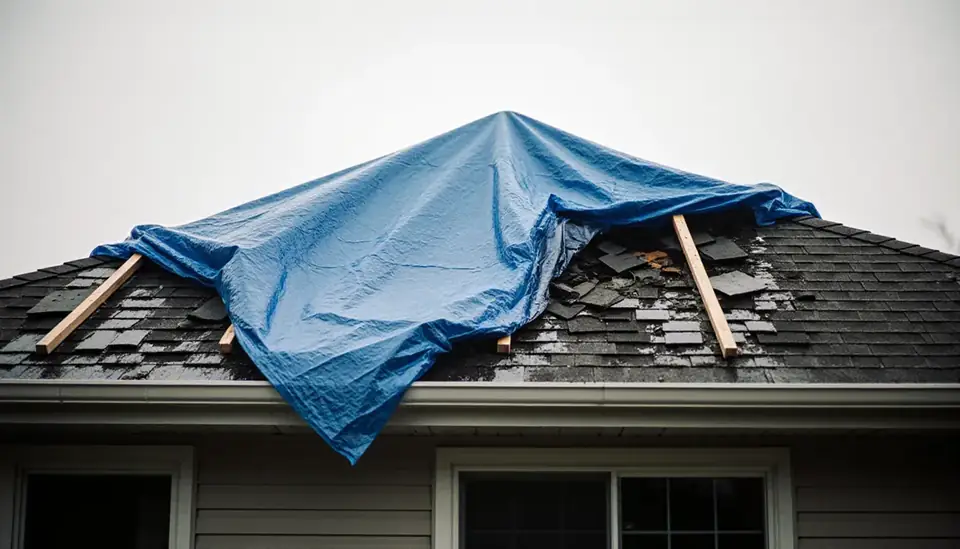
After a storm, look at the attic as well as the ceilings. Wet insulation loses its value and holds moisture against the drywall, which is why storm damage cleanup commonly includes removing it once the roof is tarped or repaired. Photos of the roof and the interior before tarping make the insurance conversation simpler.

Rentals, Roommates and Who Handles the Leak
With a large student population, many Kennesaw water losses happen in rental houses and apartment complexes. A tenant may notice a leak first, but the owner or management company usually controls repairs and insurance on the structure. Clear communication early avoids the common problem of everyone waiting on someone else while the floor keeps soaking.
- Report leaks to the landlord or office in writing, with photos and the time you found it.
- Shut off the fixture valve or the main if you can reach it safely.
- Move electronics, textbooks and bedding off the floor; renters coverage applies to your own property, not the building.
- Ask whether a restoration provider has been scheduled and when moisture readings will be taken.
Drying Out and Checking for Mold Afterward
Once the source is stopped, water extraction removes standing water from carpet and hard floors, and drying equipment runs for several days while moisture levels are tracked. Baseboards are often pulled so air can reach the bottom of the walls. Carpet pad that absorbed outside or creek water is usually discarded.
Cobb County summers are hot and muggy, and wet materials left closed up can begin growing mold within a few days. Signs include a musty smell, spotting near baseboards or warping that keeps getting worse. Larger growth should be contained and removed by a professional rather than wiped with household cleaner, which tends to leave roots in porous material.

Stormwater, Flood Maps and Local Contacts
The City of Kennesaw operates a stormwater utility through its Public Works Department, which maintains the public drainage system; residents with drainage concerns can reach Public Works directly. For flood zone status, the FEMA Flood Map Service Center allows an address search, and flood damage from rising water requires a flood policy separate from homeowners coverage.
Forecasts and warnings come from the National Weather Service in Peachtree City. More regional background is on our Georgia statewide page.
Areas In and Around Kennesaw
Calls come in from across Kennesaw, including:
- Downtown Kennesaw
The same line also serves nearby communities such as:
Questions From Kennesaw Property Owners
Is Kennesaw at risk of creek flooding, or is it mostly storms?
Both happen. Butler Creek rose above flood stage in September 2009, and the same rain flooded buildings on the Kennesaw State campus. Still, many local water losses come from roof leaks after storms and from plumbing inside the home. Check your address on the FEMA flood map, and keep gutters and downspouts clear so water moves away from the foundation.
I rent near KSU and my apartment flooded from a pipe. What are my responsibilities?
Notify management in writing right away, document your damaged belongings and do what you safely can to limit the spread, such as shutting a valve or moving items. The landlord generally arranges structural repairs and drying. Your renters policy, if you have one, covers your own possessions and sometimes temporary housing, so contact that insurer too.
After a tree hits the roof, how soon should the inside be dried?
As soon as the opening is covered and it is safe to enter. Insulation, drywall and framing that stay wet in Kennesaw's humid weather can start growing mold within days. A provider will usually remove soaked insulation, open up wet ceiling areas and run dehumidifiers. Keep the roofing estimate and the drying records together for the claim.