
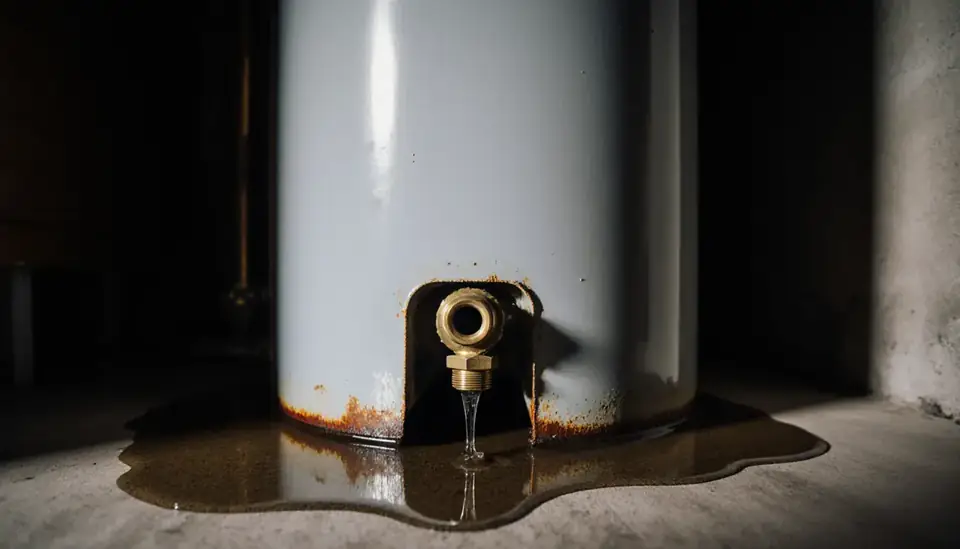
South Fulton is one of Georgia's newest large cities and one of its most spread out. Incorporated on May 1, 2017 from unincorporated southwest Fulton County, it covers about 86 square miles and counted 107,436 residents in 2020, enough to rank eighth in the state. Inside those limits sit older crossroads communities such as Red Oak, Sandtown, Cliftondale, Ben Hill and Welcome All, along with wooded stretches that drain west toward the Chattahoochee River.
The Restoration Job is a free referral line, answered 24/7. Call (888) 317-9980 and we'll connect you with an independent restoration provider that serves South Fulton, whether the problem is a split supply line in a Stonewall subdivision or storm runoff seeping into a basement in Sandtown. The work is done by third-party companies, not by us.
How the call works: when you call (888) 317-9980, The Restoration Job connects you with an independent restoration provider that serves South Fulton. That provider inspects the damage, explains the scope and quotes the work. The Restoration Job doesn't perform restoration itself. Read our referral disclosure.
A City Built From Many Communities, With Many Kinds of Houses
Because South Fulton was assembled from a long list of existing communities rather than grown outward from one downtown, its housing can vary a lot from one community to the next. Crawl-space ranches, split-levels with partly finished lower floors, slab-built subdivisions and townhomes can all carry a South Fulton address. Each behaves differently when water gets loose.
- Crawl-space homes: a leak under the floor can run for weeks unnoticed, soaking subfloor and insulation before anyone smells it.
- Split-levels and basements: heavy rain on a sloped lot sends surface water toward the lowest wall.
- Slab homes: water spreads under flooring and into the bottom of drywall, so damage reaches rooms well beyond the source.
Telling a restoration provider which of these you have speeds up the first visit, since the drying plan depends on it.
The Chattahoochee Gauge on the City's West Side
Southwest Fulton sits in what state planners call the Middle Chattahoochee River and Lake Harding sub-basin, so most local creeks eventually feed the river. The U.S. Geological Survey keeps a gauge named Chattahoochee River near Fairburn in this part of the county, measuring runoff from about 2,060 square miles upstream.
That gauge showed how high the river can climb. During the September 2009 floods, the National Weather Service recorded a crest of 30.65 feet there on September 22, more than ten feet above its 20-foot flood stage and the second-highest reading on record. Statewide, roughly 20,000 homes, businesses and other buildings were heavily damaged. Most South Fulton homes are well above the river, but properties near its tributaries, and any lot where a creek crossing backs up, deserve a look on the FEMA flood map.
First Hours After Water Gets In
Clean water from a burst pipe or failed water heater and outside water from a storm call for different responses, so start by identifying the source.
- Shut off the main valve for plumbing leaks, and switch off power to wet areas if you can reach the panel safely.
- Photograph the waterline, damaged belongings and the source before anything is moved.
- Call your homeowners insurer; rising water from outside is covered only by a separate flood policy.
- Keep fans off moldy-smelling areas until someone has assessed them.
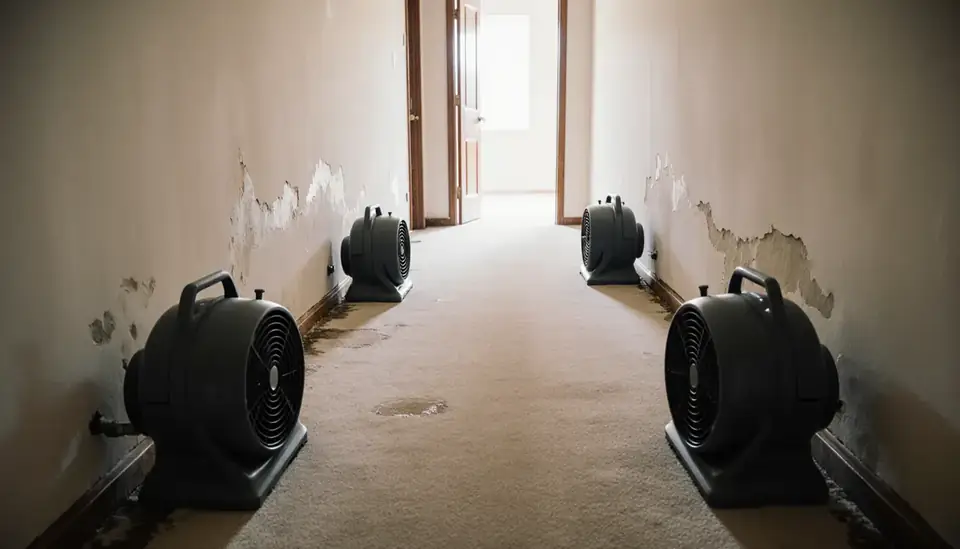
A provider handling water damage restoration will usually measure moisture in walls and floors, pull up wet carpet pad, and set dehumidifiers and air movers, checking readings daily until materials reach normal levels.
Mold Pressure in Wooded, Humid Southwest Fulton
Metro Atlanta averages close to 50 inches of precipitation a year, with the wettest stretches in late winter, early spring and July, and summer air rarely dries out. Heavily shaded lots keep crawl spaces cool and damp. That combination lets mold get started on wet drywall paper, carpet backing or floor joists within a few days.
Fast drying is the main defense. Where growth has already spread or a musty odor lingers after a leak, mold remediation with containment and removal of affected material is the usual route, followed by moisture checks to confirm the cause is gone.

Storm Damage and Fallen Limbs
Summer thunderstorms here can bring short, intense downpours and gusty wind, and mature trees near homes are the main hazard. A limb through a roof turns a single storm into days of rain entering the attic and ceilings. Tarping the opening quickly, then removing soaked insulation and drying the framing, keeps a repairable roof leak from becoming a ceiling collapse. Providers offering storm damage cleanup often coordinate tarping, debris removal and interior drying together.
Neighboring Fairburn shares the same river gauge history, and the Georgia service area page covers statewide risks.
South Fulton Neighborhoods and Surrounding Towns
Calls come in from across South Fulton, including:
- Red Oak
- Cliftondale
- Sandtown
- Ben Hill
- Cedar Grove
- Welcome All
- Stonewall
- Enon
The same line also serves nearby communities such as:
- Fairburn
- Union City
- East Point
- College Park
- Chattahoochee Hills
- Palmetto
- Atlanta
Common Questions
Who handles emergency alerts for South Fulton?
Countywide emergency coordination runs through the Atlanta-Fulton County Emergency Management Agency, which offers the Fulton Alert notification system through Everbridge. Signing up gets you warnings by phone, text or email. For weather, the National Weather Service office in Peachtree City issues flash flood and severe thunderstorm warnings covering the city.
Does my homeowners policy cover water that came in during a storm?
It depends on how the water entered. Rain coming through a roof damaged by wind or a falling tree is commonly covered by homeowners insurance. Water that rose from the ground or ran across the yard into the house is flood, and only a flood policy covers that. Sewer backup usually needs its own endorsement. Ask your agent before cleanup begins.
How do I check flood risk for a South Fulton address?
Enter your address on the FEMA Flood Map Service Center to see whether the lot is in a mapped flood zone. Because the city was formed in 2017 from unincorporated county land, older paperwork may list the property as unincorporated Fulton County. The map reflects current zones either way, but remember that flooding regularly happens outside mapped areas too.
My crawl space smells musty after rain. Is that a water damage problem?
Often it is. A musty smell after storms usually means water is reaching the crawl space through grading, gutters that dump near the foundation, or a leak in supply or drain lines. Over time that moisture can rot sill plates and feed mold on joists. A restoration provider can measure moisture, dry the space and point out where water is entering.