
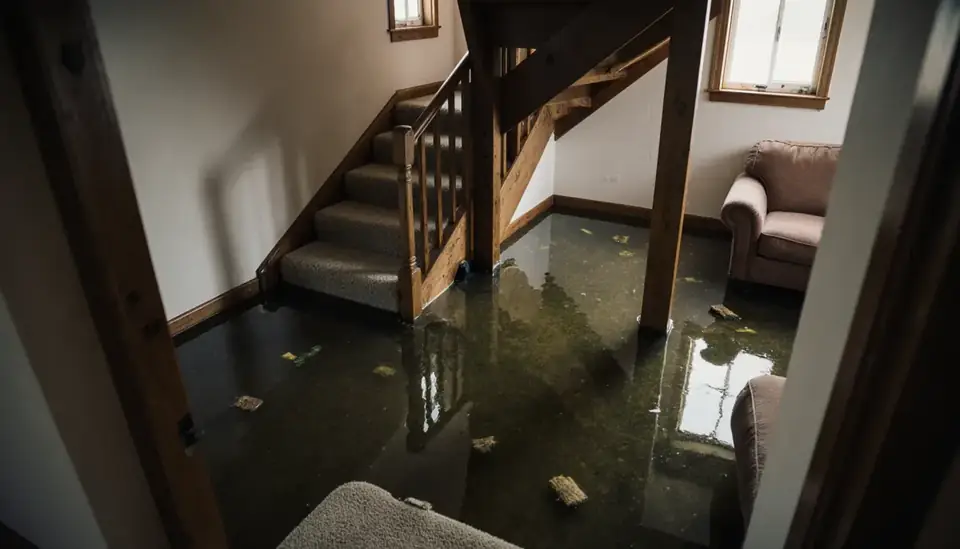
Monroe lies on the east side of the Ouachita River, across from West Monroe, at an elevation of only about 72 feet. More than three of its 33 square miles are water, between the river, Bayou DeSiard and the lakes and wetlands around Black Bayou Lake National Wildlife Refuge. That low, wet setting matters most when rain refuses to stop, as it did in March 2016, when northeast Louisiana saw more rain in three days than in any comparable period on record.
The Restoration Job connects callers with independent restoration companies; it does not do the work itself. Call (888) 317-9980 around the clock to be put in touch with a provider that handles flood cleanup, drying and repairs in Monroe and across Ouachita Parish.
How the call works: when you call (888) 317-9980, The Restoration Job connects you with an independent restoration provider that serves Monroe. That provider inspects the damage, explains the scope and quotes the work. The Restoration Job doesn't perform restoration itself. Read our referral disclosure.
March 2016: Twenty Inches and Thousands of Flooded Homes
The National Weather Service measured 20.26 inches of rain at Monroe and 22.25 inches at nearby Swartz during the storm of March 8 to 12, 2016. Rain totals of 15 to 20 inches fell across the area in about three days. In Ouachita Parish, roughly 9,500 homes were damaged, around 5,400 of them flooded outright, and responders carried out more than 1,700 high-water rescues.
This was mostly rainfall flooding: water that could not drain fast enough from neighborhoods, ditches and bayous on flat, low ground. Many affected households were outside the areas they thought of as flood-prone. The practical takeaways are to look up your address on the FEMA flood map, understand that standard homeowners policies exclude flood, and consider whether a separate flood policy makes sense even outside a mapped high-risk zone.
Gutting and Drying After Floodwater Gets Inside
Floodwater that has crossed streets and yards carries sewage, fuel and debris, so cleanup differs from a clean pipe leak. A provider working a flooded Monroe house will typically:
- Pump out standing water and remove mud and debris.
- Remove wet carpet, pad and porous items the water touched.
- Cut drywall and pull insulation above the water line so wall cavities can dry.
- Clean and disinfect remaining framing, slab and hard surfaces.
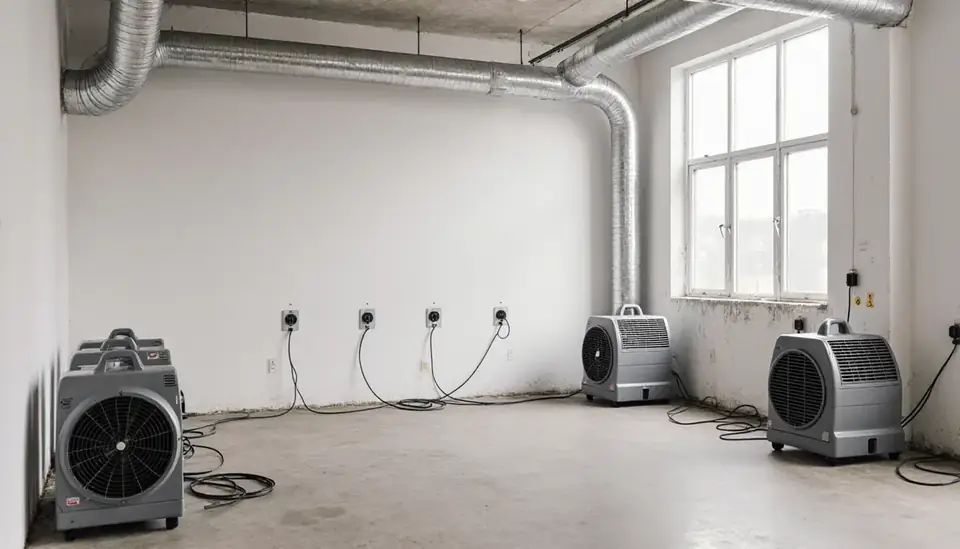
- Run dehumidifiers and air movers, checking moisture until framing is dry enough to rebuild.
Photograph every room and keep samples of flooring and cabinet material before they go to the curb. Adjusters often ask for them, and the details are easy to forget weeks later.

Older Homes Downtown and Along Riverside Drive
Monroe grew from a settlement at Fort Miro, built in 1791, and its downtown and older residential blocks reflect that long history. The Downtown Monroe Historic District and the Monroe Residential Historic District, bounded roughly by McKinley Street, 7th Street, Hudson Lane and Riverside Drive, are both on the National Register. Houses there often sit on raised foundations with wood floors, plaster walls and plumbing that has been replaced in sections over the years.
Raised homes keep shallow flooding off the floor, but they bring their own issues. Water collecting in the crawl space raises humidity in the whole house, and a plumbing leak under the floor can go unnoticed until boards cup. Drying from below, with attention to joists and subflooring, is often what keeps a repair from becoming a floor replacement.
Tornado and Wind Damage: The 2020 Easter Storm
On April 12, 2020, during the Easter tornado outbreak, a low-end EF3 tornado struck Monroe, causing severe damage. Advance warnings were credited with preventing deaths. Wind events like that leave roofs open, windows broken and trees on houses, and the water damage that follows is often worse than the wind damage itself if the next rain arrives before the house is covered.
Tarping and board-up come first, followed by drying of attics, ceilings and walls that took on rain. A provider offering storm damage cleanup can usually handle both stages and document conditions for your insurer.
Humidity and Mold on the Ouachita Lowlands
Monroe receives more than 51 inches of rain in a typical year and spends about three months above 90 degrees. Add low elevation, nearby bayous and crawl spaces that stay damp, and materials soaked by a leak or flood can begin growing mold within a few days. After flooding, mold often appears first on the lower parts of walls, inside cabinet bases and under vinyl or laminate floors. Removing wet porous materials quickly and drying to measured targets do the most to prevent it. If growth is already established, mold remediation with proper containment keeps spores from spreading into clean rooms.
Monroe Neighborhoods and Surrounding Towns
Calls come in from across Monroe, including:
- Downtown Monroe
- Monroe Residential Historic District
The same line also serves nearby communities such as:
- West Monroe
- Richwood
- Sterlington
- Swartz
Questions From Monroe Property Owners
My Monroe home isn't in a high-risk flood zone. Should I still think about flood insurance?
It is worth considering. The March 2016 rainfall flooded thousands of Ouachita Parish homes, and flooding from extreme rain does not always follow mapped zone lines. Policies outside high-risk zones are often less expensive. Standard homeowners insurance does not cover flood, and new flood policies typically have a waiting period before coverage starts, so it cannot be bought once a storm is forecast.
How long does it take to dry a flooded house before rebuilding?
Once wet materials are removed, drying framing and slab commonly takes several days to a couple of weeks, depending on how deep the water was, how long it sat and how humid the weather is. Monroe's summer humidity can slow things down. Rebuilding should wait until moisture readings confirm materials are dry; closing up wet walls is a common cause of later mold problems.
Can I clean up flood damage myself?
Small amounts of clean water from a leak can sometimes be handled by a homeowner with fans and a wet vacuum. Floodwater is different because it is contaminated and usually soaks into walls and floors. If you do any work yourself, wear gloves, boots and eye protection, turn off power to wet areas, and photograph everything first. Larger jobs generally call for professional extraction and drying equipment.
Water is pooling under my raised house after heavy rain. What should I do?
Check whether it is draining or staying put. Water that remains under the house for more than a day or two raises moisture in the floor framing and indoor air. It may need to be pumped out, with the crawl space dried afterward. Look for causes such as downspouts emptying near the foundation or yard grading that slopes toward the house.