
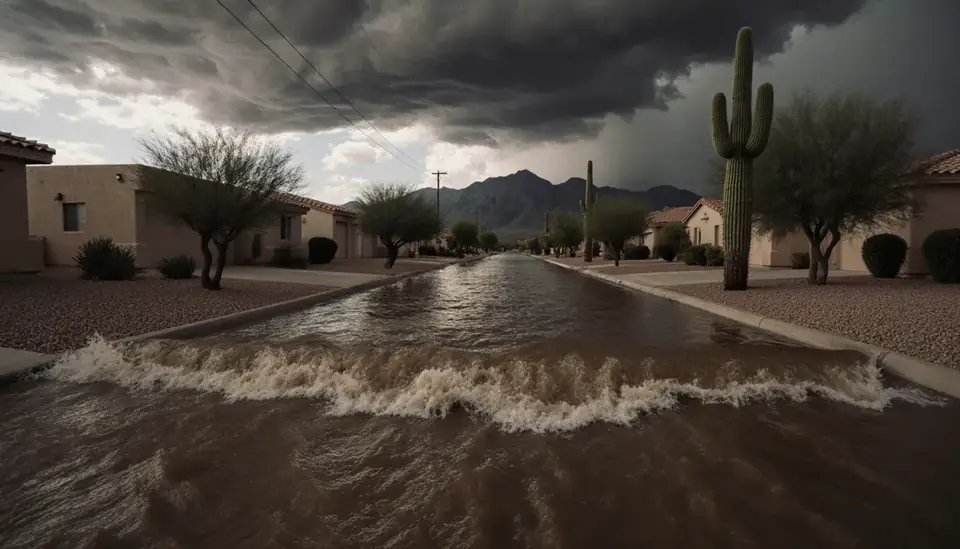
About nine hundred years ago, the Chacoan builders of what is now Salmon Ruins chose a spot on the first terrace above the San Juan River floodplain, just west of present-day Bloomfield. That choice still makes sense. The city of roughly 7,400 people sits at about 5,600 feet in northeastern San Juan County, along the stretch of the San Juan that flows down from Navajo Dam toward Farmington, and how high a property sits above the river bottom and nearby washes still shapes its flood risk.
Most water damage here, though, comes from closer to home: a broken supply line, a frozen pipe, monsoon rain under a door, or a problem on the municipal water system. Our line costs nothing to use: dial (888) 317-9980 at any hour and The Restoration Job will connect you with an independent restoration provider that serves the Bloomfield area. We don't do the work ourselves, and providers set their own schedules, though many often offer emergency service.
How the call works: when you call (888) 317-9980, The Restoration Job connects you with an independent restoration provider that serves Bloomfield. That provider inspects the damage, explains the scope and quotes the work. The Restoration Job doesn't perform restoration itself. Read our referral disclosure.
Terrace or Floodplain: Reading Bloomfield's River Setting
Navajo Dam, completed in 1963 upstream of town, was built in part for flood control, and it changed the San Juan from a river that surged with spring snowmelt and monsoon storms into one with steadier releases. Before the dam, the basin saw a record flood in October 1911 and another large one on September 10, 1927. Regulation lowers the chance of a repeat on the main river, but it does nothing for the washes and side drainages that come off the mesas and through neighborhoods during a summer downpour.
Before buying or after a scare, look up the property on FEMA's flood map viewer and note whether it sits on the low valley floor or higher ground. Homes near the river corridor, irrigation ditches or the mouth of a wash deserve a closer look at grading, foundation vents and where runoff goes.
Main Breaks, Water Shutoffs and What Happens When Service Returns
In early September 2026 the city posted a notice that crews had fixed one water leak and were searching for a second, temporarily shutting off service to parts of town to track it down. Residents were asked to report water running down a street or unusually wet ground to non-emergency dispatch at 505-334-6622. Events like this matter for homeowners in two ways.
- A leak in a street or yard line can saturate soil against a foundation, so check crawl spaces and basements if the ground near your house stays wet.
- When service comes back, air and pressure surges can loosen fittings, old valves or worn washing machine hoses. Look under sinks and behind appliances for drips that day.
- If a leak is on your side of the meter, it is generally the owner's responsibility to repair.
Monsoon Storms and Winter Freezes
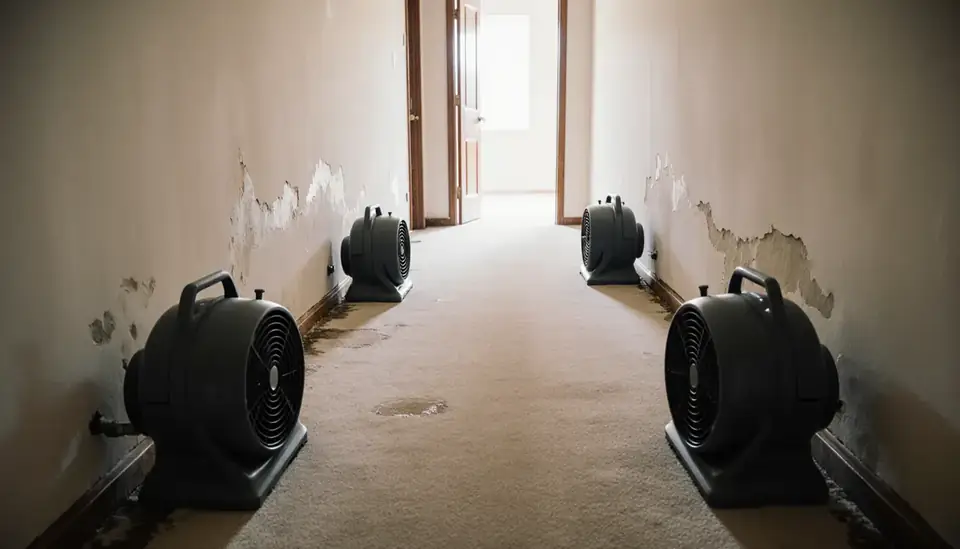
The National Weather Service in Albuquerque watches San Juan County closely during the June 15 to September 30 monsoon window. In 2025 it recorded flash flooding along U.S. 64 in Farmington, the same highway that runs through Bloomfield, and a vehicle swept away in a county arroyo. In town, storms usually mean roof leaks, water forced under doors on the low side of a lot, and muddy runoff into garages. Muddy water is treated as contaminated, so soaked carpet pad and lower drywall are typically removed.
Winter brings the opposite problem. Nearby Farmington averages winter lows around 20 degrees and has seen 34 below, and pipes in outside walls, crawl spaces and unheated utility rooms are most at risk. A split line can release hundreds of gallons before anyone notices, so shut off the main the moment you see water.
Vacant Houses and Slow Leaks
About one in ten of Bloomfield's 2,961 housing units stood vacant at the 2020 census. An empty house is where a frozen pipe or failed water heater does the most harm, because no one is there to hear it. Owners of rentals or homes between occupants should keep heat on in winter, shut the main when the house is empty for long stretches, and have someone walk through after a cold snap or major storm. A provider offering water damage restoration can extract water, remove damaged materials and dry the structure, and should document moisture readings so an insurer can see the progression.
Dry Air, Damp Walls: Mold Risk in Bloomfield
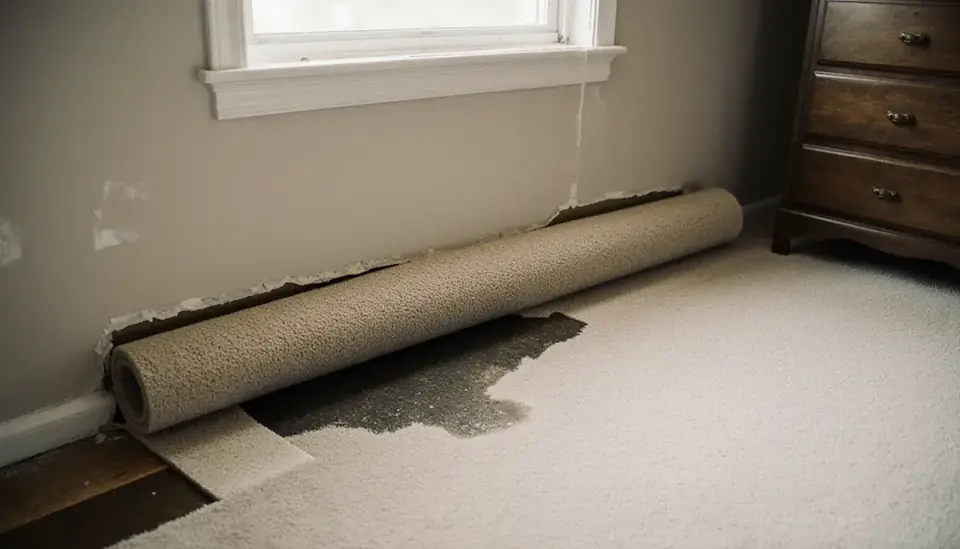
Bloomfield's dry air makes surfaces look fine quickly, but a slow leak inside a wall or under a floor can keep framing damp for weeks. Mold growth tends to follow in those hidden spaces, especially after a monsoon week when indoor humidity rises. Confirm dryness with a moisture meter, not by touch. Where growth is visible over a broad area or keeps returning after cleaning, mold remediation with containment and removal of affected building materials is the usual fix. Rebuilding should wait until readings show the structure is dry.
Bloomfield Neighborhoods and Surrounding Towns
The same line also serves nearby communities such as:
- Farmington
- Aztec
- Lee Acres
- Flora Vista
- Navajo Dam
Frequently Asked Questions
My water came back on after a city shutoff and now there's a leak. What should I do?
Close the fixture or appliance shutoff if there is one, or the main if not. Pressure changes when service is restored can expose weak fittings and worn hoses. Wipe up what you can, photograph the area, and call a plumber for the repair. If water has reached flooring, cabinets or walls, a restoration provider can measure moisture and dry the affected areas properly.
Is Bloomfield in a flood zone because of the San Juan River?
It depends on the property. Some land along the river corridor and near washes may be mapped as a flood hazard area, while homes on higher ground generally are not. Navajo Dam reduces flood peaks on the main river, but storm runoff can still reach unmapped homes. FEMA's Flood Map Service Center lets you look up a specific address.
Who should I report street flooding or a water main leak to in Bloomfield?
The city has asked residents to report water running down a street or unusually wet areas to non-emergency dispatch at 505-334-6622. Call 911 if water is threatening people or property in a dangerous way. Damage inside your home from a city-side break may raise questions about who is responsible, so document everything and ask the city and your insurer.