

Aztec, the San Juan County seat, is an Animas River town. The river runs through it on the way south to Farmington, and the city's own water comes from the Animas by way of the Aztec Ditch and the Lower Animas Ditch. At about 5,820 feet, Aztec is a bit higher and slightly wetter than Farmington, averaging roughly 10 inches of precipitation and 11 inches of snow a year. It also swings hard between seasons: the thermometer has reached 106 degrees twice in recent summers, in July 2021 and July 2023, and the record low is 27 below zero, set on February 8, 1933.
Those extremes, plus a river that, unlike the San Juan below Navajo Dam, is not held back by a large flood-control reservoir, are what drive most of the water damage calls from Aztec. Calls to The Restoration Job at (888) 317-9980 are free and answered 24/7; we put callers in touch with independent, third-party restoration providers serving San Juan County. We do not perform the work, and providers set their own availability, though many often offer emergency service.
How the call works: when you call (888) 317-9980, The Restoration Job connects you with an independent restoration provider that serves Aztec. That provider inspects the damage, explains the scope and quotes the work. The Restoration Job doesn't perform restoration itself. Read our referral disclosure.
Living Along the Animas: Snowmelt and Ditch Water
The Animas drains the San Juan Mountains of Colorado, and rivers fed from those mountains peak with snowmelt, generally between March and June. The largest flood on record in the wider San Juan basin came in October 1911 from monsoon rain rather than snow, which is a reminder that the river can rise in either season.
Irrigation ditches are part of daily life in the Animas valley. When a ditch overtops, a headgate is left open, or a lateral line leaks, water can spread across low yards and pool against foundations and crawl space vents. Homes on the valley floor near the river or a ditch should be checked against FEMA's flood maps, and owners should keep an eye on crawl spaces after the irrigation season starts.
Crawl Spaces, Basements and Older Homes Near Downtown
Aztec has fewer than 3,000 housing units, and they range from older houses close to the historic center and Aztec Ruins National Monument to newer subdivisions on the mesas. Older homes are more likely to have crawl spaces, galvanized or aging supply lines, and additions built in stages. Water from a leak or from surface runoff can sit in a crawl space unseen, slowly wetting floor joists and insulation.
- Look for standing water or damp soil when you check the crawl space each spring.
- Watch for floors that feel soft, sag or smell musty.
- Keep downspouts discharging well away from the foundation.
A provider doing water extraction in a crawl space will usually pump out standing water, remove wet insulation, and then dry the area with dehumidifiers while monitoring the joists.

Twenty-Seven Below and Split Supply Lines
Aztec's record cold of minus 27 is the kind of number that splits pipes in walls that never see heat. Cold spells don't need to reach records to cause trouble; a few nights in the single digits are often enough for lines in garages, crawl spaces, mobile home underbellies and exterior walls. Evaporative cooler supply lines on the roof are another common spot if they weren't drained.
Shut off the main as soon as you see water, and then open a faucet to relieve pressure. If ceilings are sagging, stay out from under them. Prompt structural drying limits how far water wicks up drywall and into framing, which matters more than surface cleanup.
Monsoon Storms Over San Juan County
The National Weather Service in Albuquerque runs its monsoon awareness season from June 15 to September 30. Storms over San Juan County can drop heavy rain in a short time, and the agency has documented flash flooding along U.S. 64 in Farmington in 2025 and a vehicle swept away in a flooded arroyo elsewhere in the county. In Aztec, the same storms bring roof leaks, water pouring off higher lots onto lower ones, and runoff through garage doors. Streets and arroyos can turn dangerous quickly, so avoid driving through moving water.
Hidden Moisture in Aztec's Dry Air
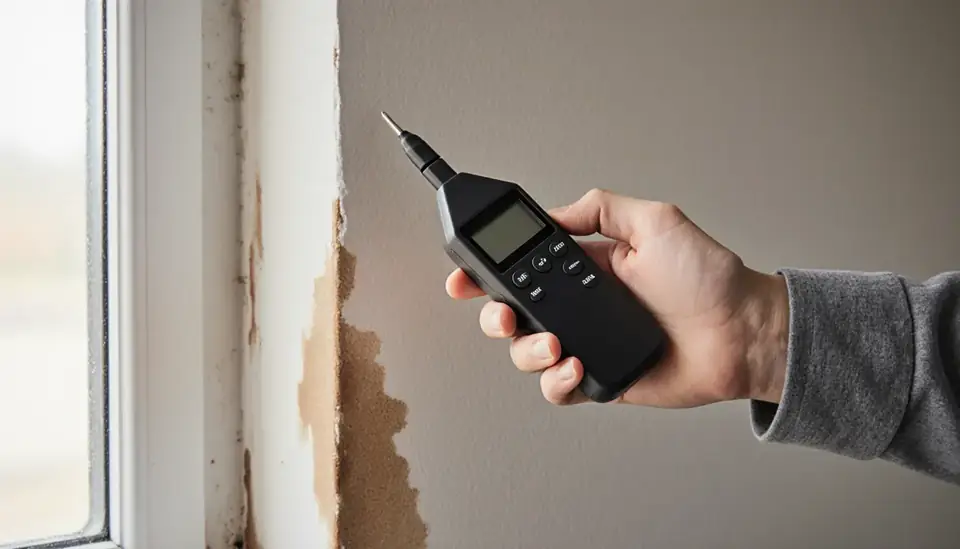
Low humidity helps the drying process, but it also hides problems. A wall can feel dry while the bottom plate and the insulation inside are still wet. Mold tends to appear where moisture lingers out of sight: crawl spaces, behind vanities and under flooring laid over a slab. Professionals confirm dryness with moisture meters and thermal imaging. If you see spreading growth or smell mustiness weeks after a leak, a provider can assess it and, when needed, carry out mold cleanup with containment.
Aztec has also faced water shortages; the city has posted Stage 3 water conservation notices. Conservation rules do not stop you from running dehumidifiers or extraction equipment, which do not draw on the water supply.
Neighborhoods and Nearby Communities
The same line also serves nearby communities such as:
- Farmington
- Bloomfield
- Flora Vista
- Lee Acres
- Kirtland
Frequently Asked Questions
When is the Animas River most likely to run high in Aztec?
Rivers fed from the San Juan Mountains usually peak with snowmelt between March and June, with timing and size depending on the winter snowpack. Heavy monsoon rain can also raise the river later in summer or early fall; the basin's largest recorded flood came in October 1911. Following river forecasts from the National Weather Service in Albuquerque during big snow years is sensible.
Who do I call if an irrigation ditch floods my yard or crawl space?
Start by stopping the water if a headgate or valve on your property is the cause, and notify the ditch association that manages the ditch. If water has entered the crawl space or living area, photograph it for your insurer and contact a restoration provider to pump it out and dry the structure. Ditch water often carries silt and is handled as unclean water.
Can I run drying equipment during Aztec's water restrictions?
Yes. Dehumidifiers and air movers use electricity, not water, so they do not conflict with conservation stages. Extraction equipment removes water rather than using it. Cleaning may need small amounts of water, but restoration providers typically use far less than routine household use. Check the city's current conservation notice if you are unsure about any specific activity.