
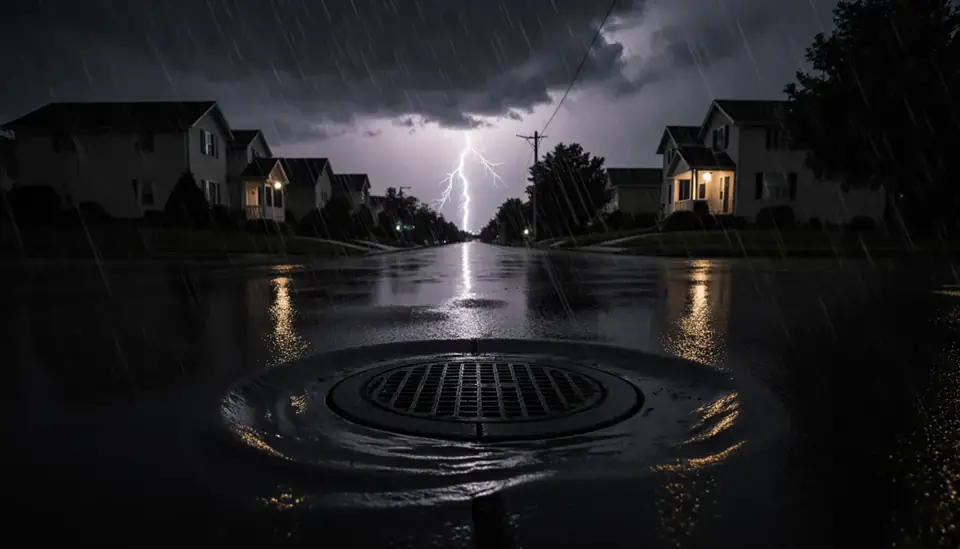
Zuni Pueblo lies along the Zuni River about 37 miles south of Gallup and 11 miles from the Arizona line, with the mesa of Dowa Yalanne rising to the southeast. People have lived here since well before Spanish contact in 1539, and the community of about 6,200 residents remains the center of the Zuni Indian Reservation. Rain is scarce at roughly 11 inches a year, yet most of it falls in July and August storms, and winter nights regularly drop well below freezing. Both seasons can put water where it doesn't belong.
The Restoration Job charges nothing for its referrals. Call (888) 317-9980 at any hour and we will put you in touch with an independent, third-party restoration provider that serves Zuni and the surrounding area of McKinley County. We are not a contractor and do not do the work; the provider assesses the damage and sets its own schedule, and many in the region often offer emergency service.
How the call works: when you call (888) 317-9980, The Restoration Job connects you with an independent restoration provider that serves Zuni Pueblo. That provider inspects the damage, explains the scope and quotes the work. The Restoration Job doesn't perform restoration itself. Read our referral disclosure.
The Zuni River, Black Rock and Storm Runoff
The Zuni River forms where the Rio Pescado and Rio Nutria meet near Black Rock in the Zuni Mountains, then runs about 90 miles southwest toward the Little Colorado. Its New Mexico basin covers roughly 1,300 square miles. For long periods, especially in drought and much of the winter, the channel is dry except near springs. Black Rock Reservoir, built in 1908, and a small dam at the pueblo regulate part of the flow, but a summer thunderstorm over the mountains can still send runoff through washes and low ground much faster than the river's quiet reputation suggests.
Homes near drainages, at the foot of slopes or on lots where the ground tilts toward the walls are the most likely to take water during those storms. Water that enters through a door or a foundation gap often soaks into flooring and the bottom of walls, and dirt-laden runoff should be treated as contaminated during cleanup.
Your Pipes, the Utility's Pipes: Knowing Who Fixes What
On the reservation, water and sewer service comes from the Zuni Utility Department. According to the Pueblo, the department helps with water and sewer lines only within five feet of a home; plumbing inside the house is the homeowner's responsibility. That line matters when something breaks. A main break in the street or a backup in the public sewer is a utility call, and the department lists an after-hours emergency number, (505) 782-4493. A split supply line under a sink, a failed water heater or a leaking toilet is a matter for the household, a plumber and, if water has spread, a restoration provider.
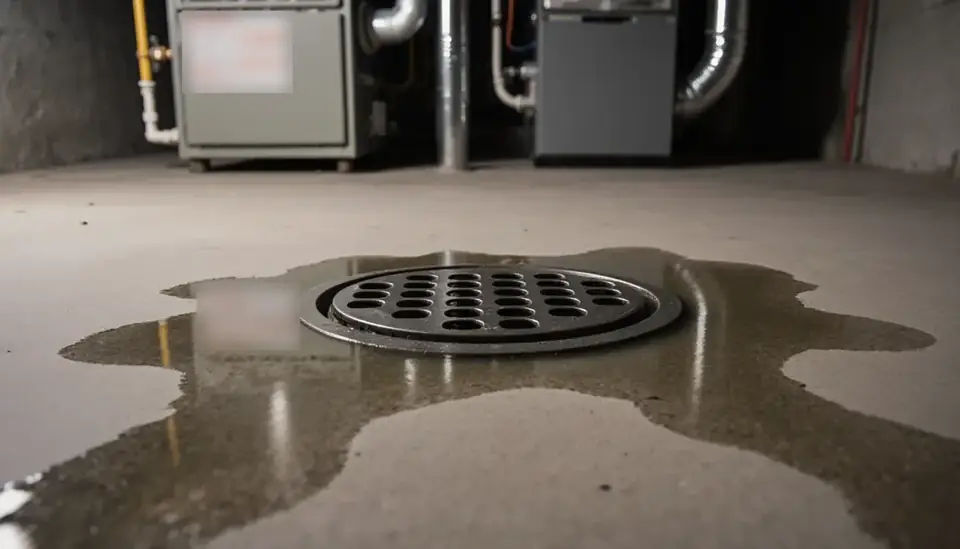
Sewage backups deserve particular care. Water from a drain or toilet can carry bacteria, so keep people out of the area and avoid running fans that spread odors through the house. A provider offering sewage cleanup will typically remove the water, discard soaked porous materials and disinfect surfaces before drying.
Winter Nights Around Seventeen Degrees
January lows in Zuni average about 17 degrees, colder on clear nights, and the area gets around 10 inches of snow in a typical year. Pipes running through exterior walls, under raised floors or into unheated additions are the most exposed. When one freezes and splits, nothing may happen until the day warms up.
- Find your main shutoff before cold weather and make sure it turns.
- Insulate exposed lines and keep cabinet doors open on cold nights.
- If a pipe breaks, shut off the water, then turn off power to wet rooms if you can do so safely.
- Photograph the damage before cleanup for any insurance or assistance claim.
Drying Out After a July or August Storm
The wettest weeks of the year are also among the warmest, and the National Weather Service in Albuquerque notes that hail with flash flooding becomes a threat in western New Mexico from June through September. Roof damage from hail or wind often shows up as a ceiling stain days after the storm. Once water gets into insulation, drywall or subflooring, it needs to be removed or dried with dehumidifiers and air movers; surfaces may feel dry long before the material behind them is. A provider handling water damage restoration will usually take moisture readings, open up wet areas and keep drying until the readings come down.
Mold is less common in dry country, but it does grow where water sits trapped for more than a day or two in summer warmth. A musty smell, spotting on drywall or a soft floor near the bathroom are signals to have it checked. Mold removal generally means containing the area, taking out affected porous materials and drying the structure fully before repairs.

Staying Informed During Storms
The Pueblo of Zuni offers text alerts; residents can text AshiwiAlerts to 67283 to sign up. During a flash flood warning, the National Weather Service advises moving to higher ground and never driving or walking through flood water, which is good advice at any low crossing on the reservation. For questions about tribal programs that may help after damage, the Pueblo's main line is (505) 782-7000. Neighbors in Gallup face many of the same monsoon and freeze risks.
Where Callers in the Zuni Pueblo Area Are
Calls come in from across Zuni Pueblo, including:
- Halona (Middle Village)
The same line also serves nearby communities such as:
- Black Rock
- Ramah
- Vanderwagen
- Pinehill
- Gallup
Questions From Zuni Pueblo Property Owners
Who do I call in Zuni Pueblo if water is coming from a broken line outside my house?
Start with the Zuni Utility Department, which handles water and sewer lines within five feet of the home. After business hours its emergency number is (505) 782-4493. If water has already entered the house, shut off your interior valve if one exists, move belongings out of the wet area and call a restoration provider to extract and dry it.
Does homeowners insurance cover storm runoff that came in under my door?
Standard homeowners policies generally exclude flooding from surface water, while sudden damage such as a burst pipe or wind-driven roof leak is more often covered. Read your policy or ask your agent. Flood insurance is a separate policy, and you can look up the flood zone for your address on FEMA's Flood Map Service Center.
After a leak in a Zuni home, how long should the drying equipment run?
The answer hinges on how far the water traveled and which materials absorbed it. Drywall and carpet in one room may dry in a few days with dehumidifiers and air movers, while water under flooring or in insulation can take longer. A provider should take moisture readings each visit and keep equipment running until materials reach normal levels, rather than stopping when surfaces feel dry.