
La Cienega takes its name from the springs and marsh that made it a stopping point long before Santa Fe grew to the north. Here the aquifer rises to the surface, and that water supplied El Rancho de las Golondrinas and the Santa Fe River canyon below. The community of about 3,900 people spreads across roughly 11.7 square miles at around 6,160 feet, on land that was once the site of a Keres pueblo involved in the 1680 Pueblo Revolt.
The Restoration Job connects La Cienega residents with independent, third-party restoration providers through a free phone line, (888) 317-9980, answered 24/7. The line is a referral service, not a contractor. The provider you are connected with handles the visit, the estimate and the cleanup, and many often offer emergency service.
How the call works: when you call (888) 317-9980, The Restoration Job connects you with an independent restoration provider that serves La Cienega. That provider inspects the damage, explains the scope and quotes the work. The Restoration Job doesn't perform restoration itself. Read our referral disclosure.
Living Near the Springs and Wetlands
Few places around Santa Fe have water this close to the surface. The Leonora Curtin Wetland Preserve, managed by the Santa Fe Botanical Garden, protects part of the cienega, and the area is designated an Area of Critical Environmental Concern. For La Cienega homes on the valley floor, that setting can mean damp soil near foundations, crawl spaces that never fully dry and seepage that arrives without a storm.
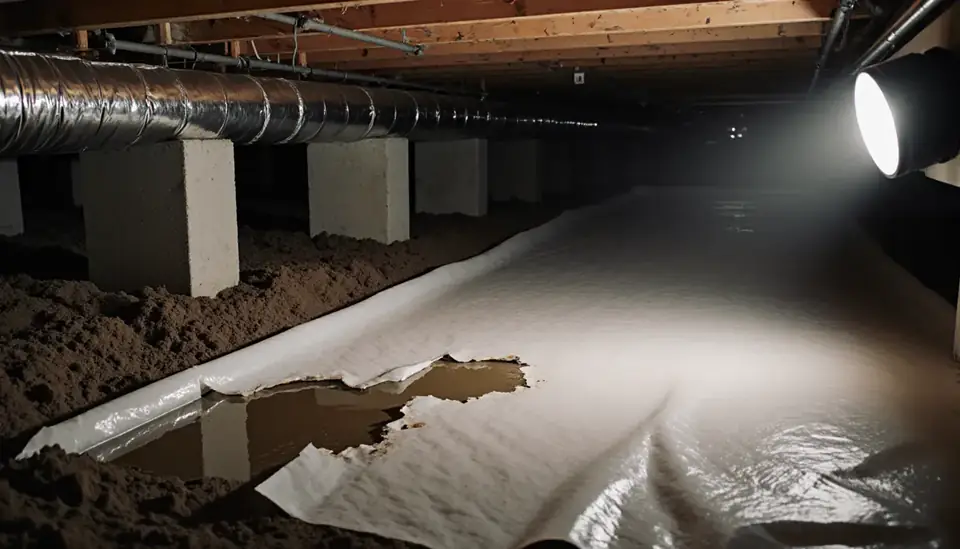
We could not find published data on groundwater depth under individual properties, so treat this as something to check rather than assume. Signs worth noticing include standing water in a crawl space weeks after rain, white mineral deposits on stem walls and a musty smell under the floor. A restoration provider can measure moisture, and a drainage contractor can advise on grading or a vapor barrier if groundwater is the cause.
Acequias, Arroyos and Summer Storms
Irrigation ditches have run through this valley for centuries, and the acequia at Las Golondrinas is listed on the National Register of Historic Places. Ditches and the arroyos that cross the area move water efficiently in normal conditions, but during a monsoon cell they can overflow or back up at culverts. The National Weather Service in Albuquerque places the monsoon from mid-June through late September.
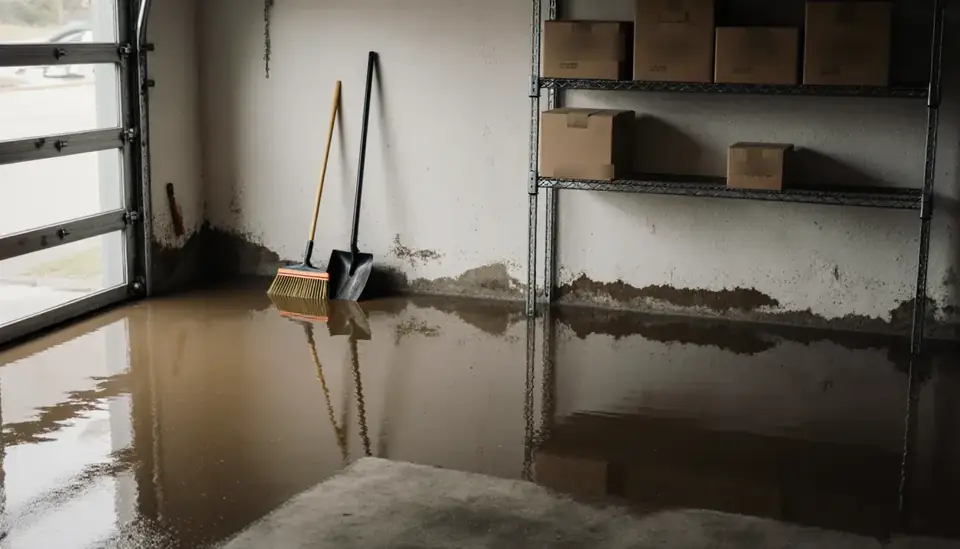
Santa Fe County asks residents to report flooding or impassable roads at (505) 428-3710 and repeats the basic rule: never drive or walk through floodwater. On rural La Cienega lots, check where ditch banks or yard grading could send water toward a house, and keep culverts at driveways clear before the season starts. If water does get inside, flood cleanup starts with removing mud and soaked materials before any drying.
Adobe Walls, Well Houses and Winter Pipes
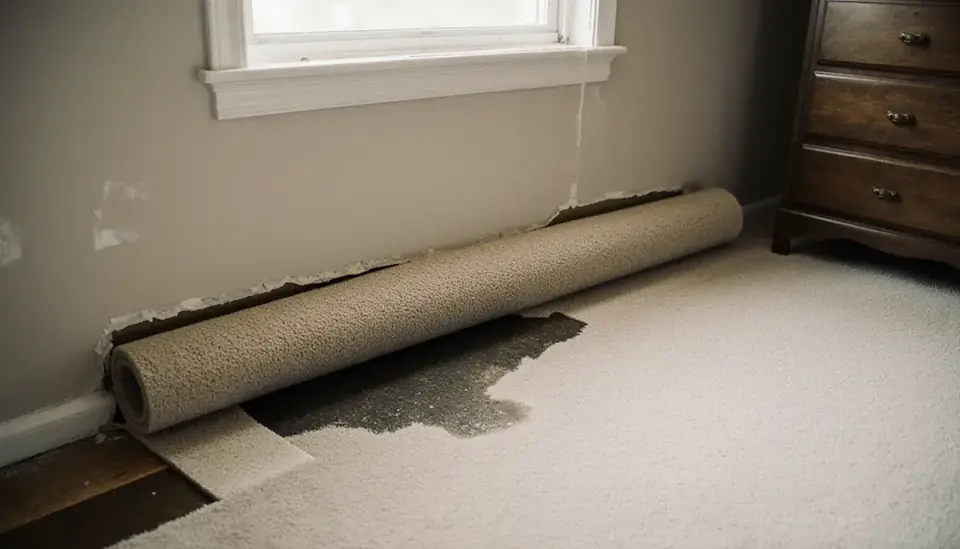
Adobe and stucco construction is common around Santa Fe, and if your home has earthen walls, they tolerate occasional wetting but can erode or lose plaster if water sits against them, so splash from a canale or a leaking hose bib can do more damage than its volume suggests. In winter, hard freezes are common across the Santa Fe area, and pipes in exterior walls, well houses and crawl spaces are the most exposed.
- Shut off water at the main or well pump as soon as you find a leak.
- Turn off breakers to any circuit that water may have reached.
- Photograph everything before cleanup for your insurer.
- Keep wet furniture off adobe floors and walls so they can breathe and dry.
Mold Over Wet Ground Near the Cienega
Northern New Mexico air is dry most of the year, which helps. Mold problems in La Cienega tend to start where moisture is trapped: a crawl space over wet ground, carpet laid over a slab that wicks water, or insulation above a slow roof leak. If materials stay wet more than a day or two, growth becomes more likely. Small surface spots on hard materials can be cleaned; widespread growth, or growth in a crawl space or wall cavity, calls for mold remediation paired with fixing the moisture source.
Flood Coverage and Mapping
Homeowners insurance usually excludes flooding from surface water, and coverage for groundwater seepage is often limited. If your La Cienega home sits near the wetlands, an arroyo or a ditch, look it up on the FEMA Flood Map Service Center and ask your agent about a separate flood policy. Santa Fe County adopted an updated Hazard Mitigation Plan covering 2025 to 2030, and its emergency management office posts notices about floods, wildfire and power shutoffs.
Neighborhoods and Nearby Communities
The same line also serves nearby communities such as:
- Santa Fe
- Agua Fria
- La Bajada
- Eldorado at Santa Fe
- Los Cerrillos
Questions From La Cienega Property Owners
Water shows up in my La Cienega crawl space even without rain. Is that a leak?
It might be a supply or drain leak, and those should be ruled out first. In this valley, though, springs bring groundwater near the surface, so seepage is also possible. A provider can test whether the water is clean or contaminated and track the moisture pattern. If it is groundwater, drying alone will not keep the space dry; drainage or a vapor barrier usually is needed.
Can a flooded acequia damage my house?
It can, if a ditch overtops or a culvert plugs during a storm and the yard slopes toward the house. Water carrying silt and debris is dirtier than a pipe leak, so soaked carpet, insulation and drywall usually need to be removed rather than dried in place. Report road flooding to Santa Fe County at (505) 428-3710.
How should water-damaged adobe walls be dried?
Slowly and with monitoring. Adobe and lime or mud plasters hold water and can crack or crumble if heated too aggressively. A restoration provider typically removes the source, extracts standing water, then uses air movement and dehumidification while taking moisture readings until the wall stabilizes. Repairs to historic plaster may need someone familiar with earthen materials.