
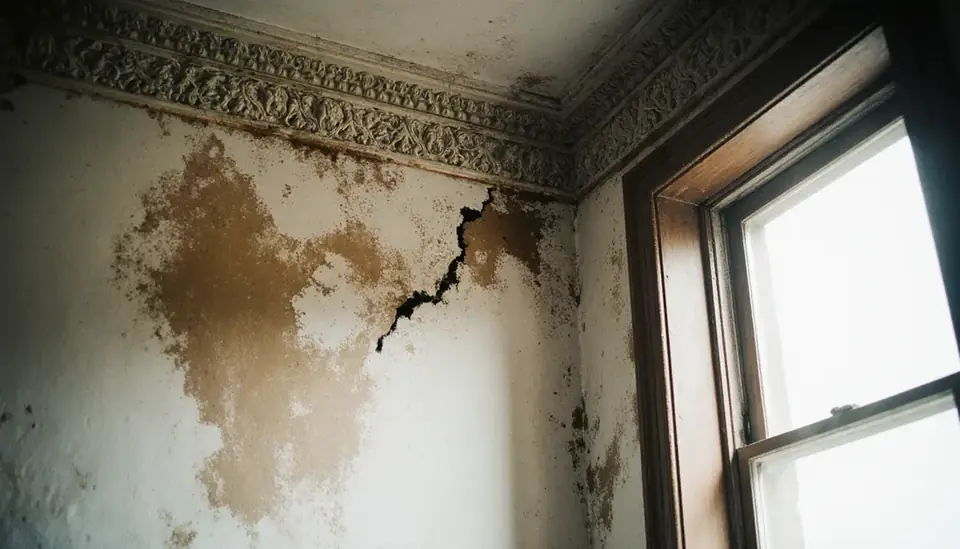
Peralta became a town only in 2007, but the place is much older. In April 1862 Union troops found Confederate soldiers camped here behind adobe walls and a web of irrigation ditches, while the rest of the Confederate army sat across the Rio Grande in Los Lunas. Adobe, ditches and the river are still part of everyday life on this side of the valley, and they shape where water ends up when a storm hits or a pipe lets go. The town covers about four and a half square miles at roughly 4,860 feet, with 3,342 residents counted in 2020.
Call (888) 317-9980, a free line answered 24/7, and The Restoration Job will connect you with an independent restoration provider that serves Peralta. We are not a contractor and don't do the work, but we can put you in touch with a provider who can assess the damage and explain your options for water damage repair.
How the call works: when you call (888) 317-9980, The Restoration Job connects you with an independent restoration provider that serves Peralta. That provider inspects the damage, explains the scope and quotes the work. The Restoration Job doesn't perform restoration itself. Read our referral disclosure.
Living Across the River from Los Lunas
Peralta sits on the opposite bank from Los Lunas, inside the irrigated valley the Middle Rio Grande Conservancy District has managed since the 1920s. Before the district's levees and drains, floods in this part of the valley wrecked whole villages, and a territorial official writing in 1853 described nearby Tomé as plagued by flooding. Today, Cochiti Dam far upstream holds back large flood flows and the levees keep the river in its channel most years.
The leftover risk is mostly local: storm water that can't drain off flat ground, ditches that overtop during a cloudburst, and soil that stays wet near irrigated land. Look up your property on FEMA's flood map before you assume you are outside a hazard zone, and keep in mind that homeowners insurance generally does not cover flooding.
Monsoon Cloudbursts and Roof Leaks
Most of the area's rain falls between July and September, often in short, intense thunderstorms. The National Weather Service lists flash floods, damaging downburst winds and dust storms as the main monsoon threats. In Peralta, that typically means wind-lifted roofing, water pushed past parapet scuppers on flat roofs, and runoff pooling against walls on the low side of a lot. Valencia County was part of federal declarations for storm flooding in 2006 and again in 2025.
After a storm, check the attic or ceiling below any roof penetration, including the evaporative cooler, vent stacks and skylights. A small brown ring can mean an insulation layer that is already soaked. Storm damage cleanup usually involves tarping first, then drying the structure, then roof repair.
Adobe and Plaster Need Patience
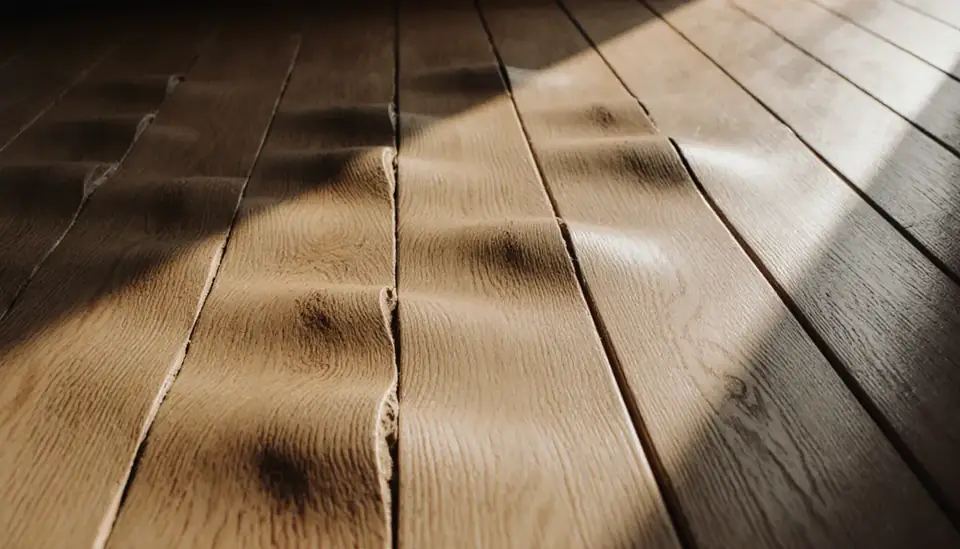
Adobe walls, whether a century old or recently built, react to water differently from frame construction. Mud brick softens when it is saturated and can slump at the base if water stands against it. Cement stucco over adobe can trap moisture inside the wall, and lime or mud plaster can wash out. Drying should be steady rather than fast: dehumidification and gentle airflow, not high heat that cracks the surface.
- Remove standing water from both sides of the wall as soon as possible.
- Keep heavy furniture and shelving away from wet adobe.
- Ask whether the plaster at the base of the wall can be opened to release moisture.
- Have the wall checked before replastering or painting.
Burst Lines When the Valley Freezes
Cold air drains into the river valley at night, and the area's record low, set in January 1971 just across the river, is 25 below zero. Peralta homes with plumbing in exterior walls, crawl spaces or unheated additions are most exposed. A frozen line often splits overnight and starts leaking only when the afternoon sun thaws it. Shut off the main as soon as you see water, open a faucet to relieve pressure, and keep space heaters away from wet areas.
A restoration crew will typically extract water, measure how far it wicked into walls and floors, remove saturated materials that can't be dried, and run dehumidifiers until readings return to normal.

Musty Rooms After the Leak Is Fixed
Peralta's dry air hides a summer problem. Evaporative coolers and monsoon storms push indoor humidity up in July and August, and any wall cavity or subfloor that stayed wet after a leak can grow mold. A smell that lingers after the drying equipment is gone, or paint bubbling near the floor, deserves a moisture check. If mold is found, removal should go hand in hand with fixing the moisture source.
Peralta Neighborhoods and Surrounding Towns
The same line also serves nearby communities such as:
- Bosque Farms
- Los Lunas
- Valencia
- Meadow Lake
- Tome
- El Cerro Mission
Frequently Asked Questions
Is Peralta at risk from the Rio Grande?
Large river floods are far less frequent than they were before upstream dams and conservancy levees were built, but they are not impossible, and local storm flooding still happens. The FEMA Flood Map Service Center shows whether your address is in a mapped flood zone. If it is, or if water has reached your property before, talk to an agent about flood insurance.
Should I tear out wet adobe or plaster right away?
Usually not. Many adobe walls recover if water is removed quickly and the wall dries slowly. Removing plaster at the base can help, but wholesale demolition is rarely the first step. Get moisture readings and an assessment from a provider who has worked on adobe before deciding what has to go.
What can a Peralta homeowner do before the restoration provider arrives?
Stop the water source, shut off power to wet rooms if it is safe to reach the panel, and take photos and video of every affected area. Move valuables and furniture to a dry room. Let your insurance company know the same day. Avoid using a household vacuum on standing water, and stay out of rooms where ceilings are sagging.