
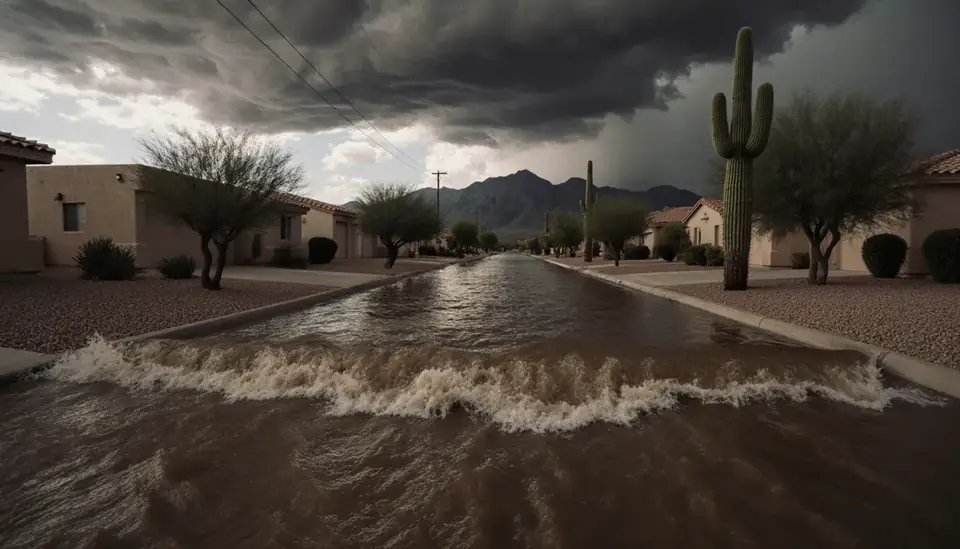
Meadow Lake sits at about 5,309 feet, roughly 450 feet higher than Los Lunas and the other valley-floor towns of Valencia County. That elevation puts it well above the Rio Grande's floodplain, so river flooding is not the concern here. What residents deal with instead is rain that falls hard on open ground and moves fast, wind that works at roofs and skirting, and cold snaps that find exposed plumbing. The census counts all 4,573 residents as rural, spread across roughly eleven and a half square miles and about 1,600 homes.
For help after a leak or storm, call (888) 317-9980. The Restoration Job is a free connection service, available 24/7, that puts you in touch with an independent restoration provider covering Meadow Lake and nearby parts of the county. We don't do restoration work ourselves, and each provider sets its own availability.
How the call works: when you call (888) 317-9980, The Restoration Job connects you with an independent restoration provider that serves Meadow Lake. That provider inspects the damage, explains the scope and quotes the work. The Restoration Job doesn't perform restoration itself. Read our referral disclosure.
Sheet Flow Across Open Ground
Out of the valley, storm water doesn't go into a ditch system. It runs across the surface, following whatever path the land, a dirt road or a driveway gives it. During monsoon season, roughly mid-June through late September, a single thunderstorm can send a shallow sheet of muddy water across several lots. Where a home sits slightly low, or where a driveway funnels runoff toward a garage, water can reach the foundation within minutes.
Simple grading changes go a long way: soil sloped away from walls, gravel swales to steer water around structures, and skirting vents that aren't facing the uphill side. After a storm, check under the home or in the crawl space, not just inside. The National Weather Service in Albuquerque also warns against driving through flowing water on unpaved roads, where depth and footing are hard to judge.
Manufactured Homes, Skirting and Subfloors
If your home is a manufactured or mobile home, water problems tend to start where you can't see them. Supply lines run under the floor inside the belly wrap, and a slow leak can saturate insulation and particleboard subflooring for weeks before the floor goes soft. Runoff that gets under the skirting can sit on the ground below and keep the underside damp.
- Look for sagging belly wrap or wet insulation under the home.
- Soft spots near the bathroom, kitchen or water heater closet are an early warning.
- Particleboard subfloor that has swelled usually needs replacing, not just drying.
- Ask the provider to check moisture in the belly before closing anything up.
Wind, Hail and Roof Leaks
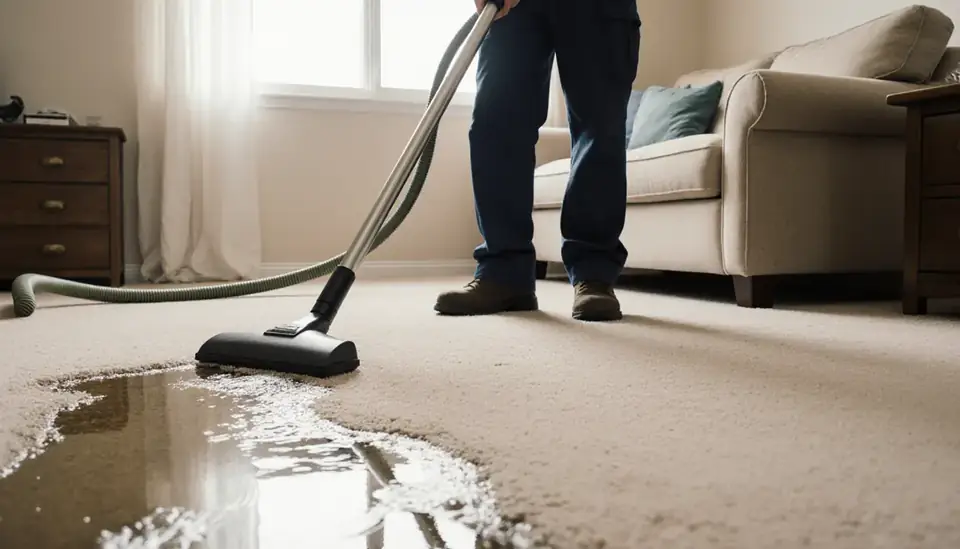
Monsoon storms often arrive with gusty outflow winds before the rain, and the NWS lists downburst winds and dust storms among the season's main hazards. On open, exposed land, those gusts can lift shingles, peel metal roofing, loosen flashing around evaporative coolers and tear skirting free. Rain then follows the damage into ceilings and walls. A provider handling storm damage cleanup will typically tarp or board up first, dry the interior next, and leave the permanent roof repair to a roofer.
Valencia County was included in a federal emergency declaration for severe storms and flooding in summer 2025 and in a disaster declaration for storms and flooding in 2006, so serious storms are part of the county's record.
Frozen Lines on Higher Ground
Winter nights in this part of the county regularly fall below freezing; the valley station at Los Lunas has a record low of 25 below zero. Pipes that run under a home, through an uninsulated wall or out to a shed or stock tank are the usual casualties. Heat tape, insulated skirting and dripping faucets during hard freezes help. When a pipe does burst, shut the main, open a faucet to drain the line, and call for water extraction before the water reaches subflooring.
Drying and Mold Prevention in Meadow Lake Homes
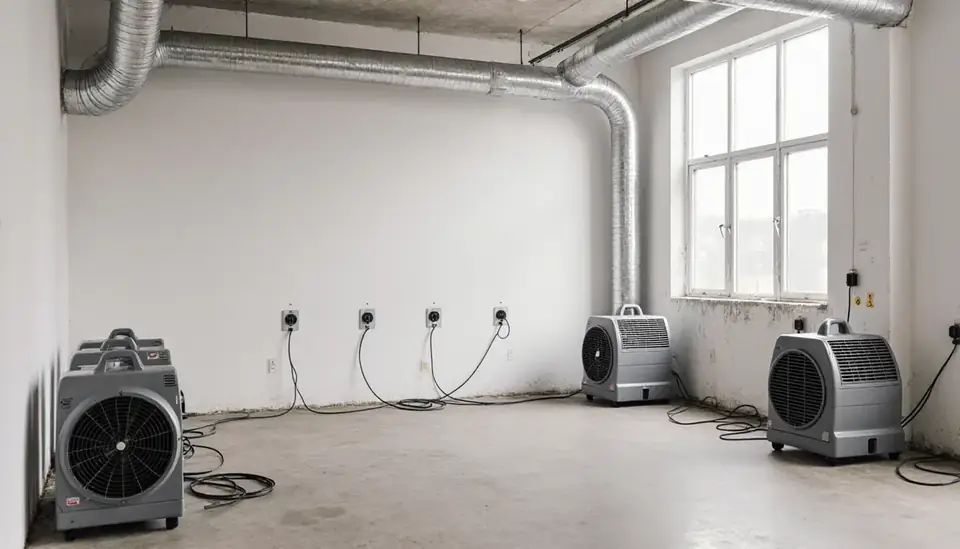
The high-desert air dries exposed surfaces fast, which can make a leak look finished long before it is. Insulation, subfloors and wall cavities hold water, and when the monsoon raises humidity and swamp coolers run, mold can follow. A crew will typically use moisture meters to find wet areas, remove materials that can't be saved, and run dehumidifiers until readings return to normal. If you see staining or smell mustiness weeks later, ask for a moisture check before deciding on mold cleanup.
Neighborhoods and Nearby Communities
The same line also serves nearby communities such as:
- El Cerro Mission
- Los Lunas
- Peralta
- Bosque Farms
- Tome
- Belen
Meadow Lake Water Damage Questions
Does Meadow Lake need flood insurance if it is above the river?
Being above the Rio Grande floodplain lowers river flood risk, but storm runoff can still damage homes, and standard homeowners policies generally exclude flood water. FEMA's flood map shows whether your parcel is in a mapped zone. Even outside one, it is worth asking an agent what a flood policy would cost for your home.
Can a wet manufactured home floor be dried, or does it have to be replaced?
It depends on the material and how long it was wet. Plywood can often be dried if the leak is caught early. Particleboard swells and loses strength when soaked and usually has to be cut out. A moisture survey of the subfloor and belly insulation tells you how far the damage goes before any repair is planned.
What should I check after a big monsoon storm in Meadow Lake?
Walk the outside first: look for missing roofing, loose flashing around the cooler, torn skirting and signs that water flowed toward the house. Then check ceilings, closets on exterior walls, and the area under the home if you can do so safely. Photograph everything for your insurer, and call (888) 317-9980 if you find water inside.