
Sandia Heights sits at the western base of the Sandia Mountains, at about 6,165 feet, where the steep granite face of the range climbs more than 4,000 feet to Sandia Crest. The unincorporated community covers just under two square miles north of the Albuquerque city limits, with about 1,600 homes and roughly 3,300 residents. The base station of the Sandia Peak Tramway lies just outside its northern edge.
Elevation changes the water damage picture here compared with the valley below. The foothills get more rain, colder winter nights and runoff that comes straight off the mountain. The Restoration Job is a free referral service: call (888) 317-9980, any hour, and we will connect you with an independent, third-party restoration provider that serves the foothills. The providers are separate businesses; we only make the connection.
How the call works: when you call (888) 317-9980, The Restoration Job connects you with an independent restoration provider that serves Sandia Heights. That provider inspects the damage, explains the scope and quotes the work. The Restoration Job doesn't perform restoration itself. Read our referral disclosure.
Runoff Off the Sandia Front
The west side of the Sandias is steep and rugged, with sheer rock walls near the crest, and rain that falls on it moves quickly downhill through the foothill arroyos. Flood control along this edge of the metro has been a long project. A 1974 drainage plan for the Northeast Heights set aside money for work on the arroyos east of Tramway Boulevard, and dams such as South Domingo Baca, finished in 1979, were built to slow those flows before they reach neighborhoods.
For individual homes, the risk usually comes from water moving across sloped lots. Driveways that run downhill toward a garage, patios graded toward the house and walls set into a hillside can all take water during a heavy storm. Keep drainage paths, swales and culverts on your property free of debris, and watch where water goes during the first big storm of each season.
More Rain Than the Valley, Concentrated in Summer
Sandia Heights averages about 13.8 inches of precipitation a year, noticeably more than the roughly 8.8 inches recorded in Albuquerque. July and August together average close to five inches, delivered mostly by monsoon thunderstorms. The National Weather Service lists strong winds, hail and lightning alongside heavy rain as monsoon hazards, and homes on exposed foothill lots take the brunt of them.
Hail can puncture roof coatings and crack skylights. Wind-driven rain gets behind stucco at window and door openings. If a storm opens your roof, getting it covered limits further damage, and providers offering storm damage cleanup often handle tarping alongside water removal.
Thirty Below: Freeze Risk in the Foothills
The coldest temperature on record for the area is minus 30 degrees, and the average January low is about 17 degrees. That is cold enough to freeze pipes that never give trouble in the valley. Common failure points include:
- Plumbing in exterior walls on north- and east-facing sides.
- Pipes in garages, crawl spaces and under cantilevered floors.
- Irrigation backflow assemblies and hose bibs left charged over winter.
Homes left empty for part of the winter are especially vulnerable, since a burst line can run for days before anyone notices. If you travel, consider shutting off the main and draining the lines, or have someone check the house during cold snaps.
Drying a Hillside Home Properly
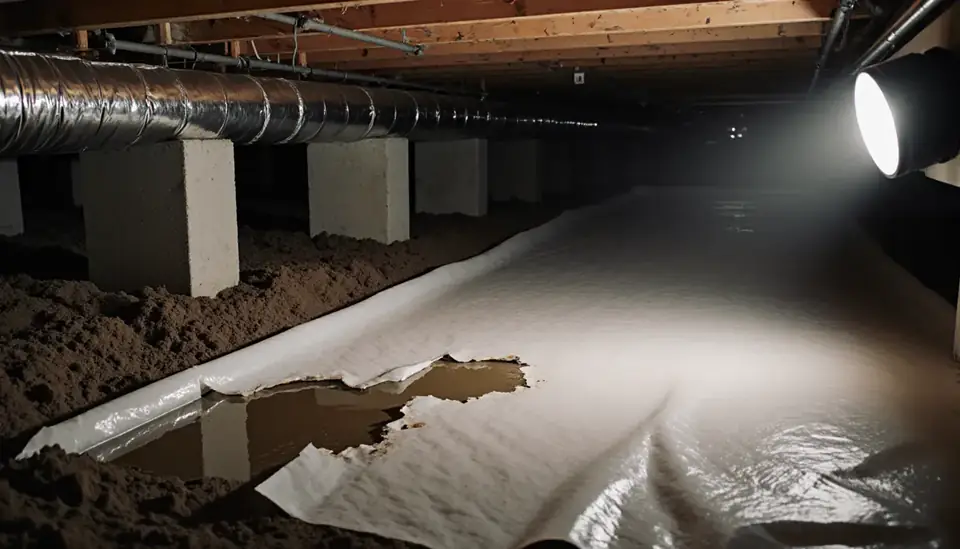
Houses built on sloped lots may have split levels, walls set against the hillside and slabs at different elevations. Water from a burst pipe on an upper level travels down through framing and ceilings, and water from outside tends to collect where a slab meets a retaining wall. Both cases call for mapping moisture throughout the structure, not just in the room where water was seen.
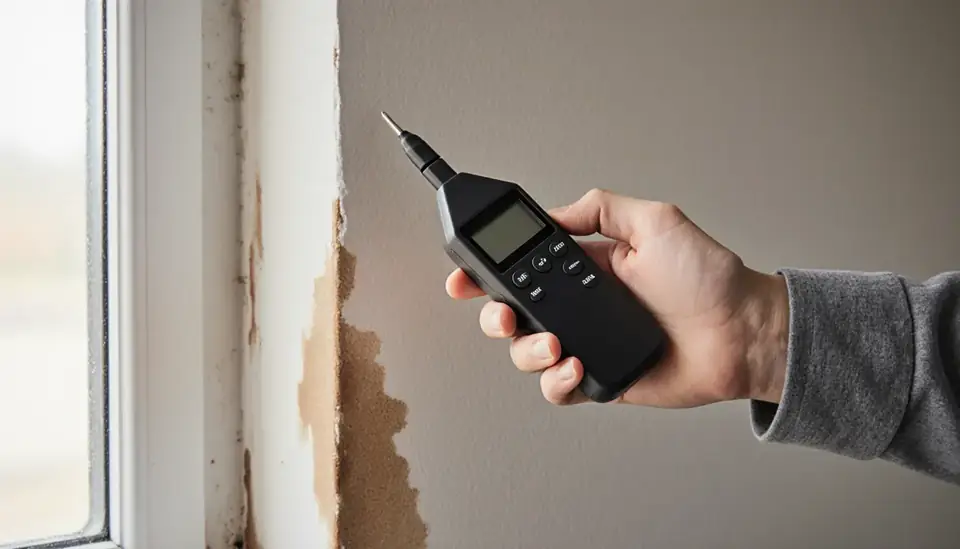
Structural drying typically means opening affected cavities, setting dehumidifiers and air movers, and taking readings until framing and subfloor reach normal levels. Rebuilding before then risks trapped moisture and mold, even in the dry mountain air. Where mold has already appeared, the affected area is contained and the material removed rather than painted over.
Sandia Heights Neighborhoods and Surrounding Towns
The same line also serves nearby communities such as:
- Albuquerque
- Los Ranchos de Albuquerque
- North Valley
- Sandia Park
- Cedar Crest
- Tijeras
Frequently Asked Questions
Why does my Sandia Heights home get more storm water than friends in the valley?
Elevation and slope. Sandia Heights averages around 13.8 inches of precipitation a year compared with about 8.8 inches in Albuquerque, and the foothills sit directly below a steep mountain face. Runoff moves fast across sloped lots and toward low points such as garages and walls cut into hillsides. Clearing drainage paths and checking grading before monsoon season helps.
We spend winters away. How do we protect the house from frozen pipes?
Record lows here have reached minus 30 degrees, so leaving the heat at a low setting is not always enough if power fails. Shutting off the main valve and draining lines before leaving greatly reduces the risk. Have someone check the house after hard freezes. If a pipe does break, early discovery and fast water extraction usually limit the damage to fewer rooms.
Is Sandia Heights covered by City of Albuquerque services?
Sandia Heights is an unincorporated census-designated place in Bernalillo County, bordered by the city to the south, so county rather than city government generally applies. For water damage inside your home, our free 24/7 line at (888) 317-9980 connects you with an independent restoration provider that serves the foothills.