
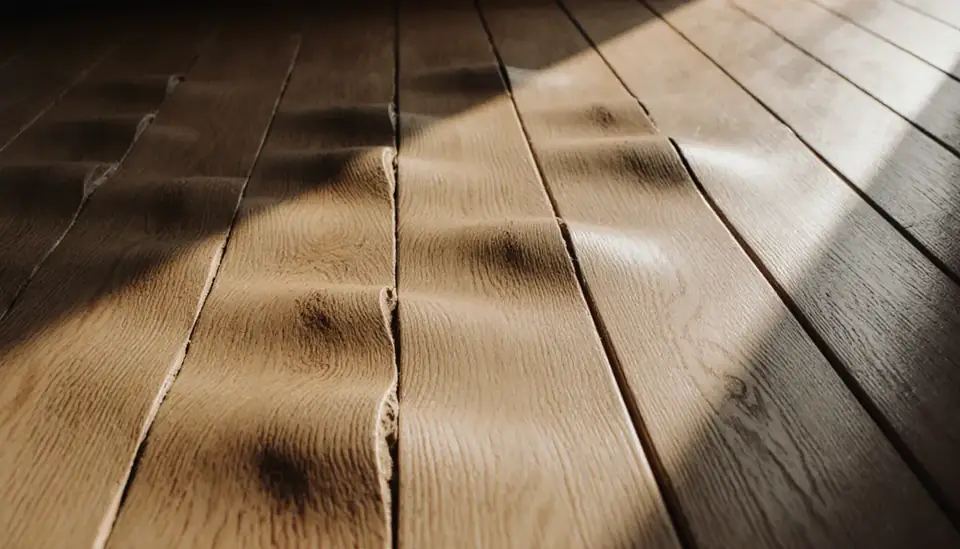
The village plaza in Los Ranchos was probably laid out around 1750, and the original settlement did not survive the river: flooding destroyed it in 1904, and the community later grew up along a half-mile stretch of Guadalupe Trail. Today the village covers about four and a half square miles on the east side of the Rio Grande, bordered by Albuquerque on three sides and by the unincorporated North Valley. It has kept much of its farming character, with large houses spaced widely across irrigated land and heavy tree cover.
The Restoration Job offers a free 24/7 phone line, (888) 317-9980, that connects callers with independent restoration providers. We do not send crews or do the work ourselves. The companies we refer you to are third-party businesses serving the village, and many of them often offer emergency service.
How the call works: when you call (888) 317-9980, The Restoration Job connects you with an independent restoration provider that serves Los Ranchos de Albuquerque. That provider inspects the damage, explains the scope and quotes the work. The Restoration Job doesn't perform restoration itself. Read our referral disclosure.
Living on the Floodplain the Village Grew Out Of
The 1904 flood is a reminder of where the village sits. Elevation here is just under 5,000 feet, on the valley floor close to the river. Levees, drains and upstream dams built over the following century changed how the Rio Grande behaves, and the Middle Rio Grande Conservancy District was created in 1925 in part because floods were destroying whole villages along this stretch of the valley. River flooding on the scale of 1904 is not what most homeowners deal with today.
The everyday risks are smaller and more frequent: monsoon storms that drop heavy rain over a short period, runoff that pools on flat, irrigated lots, and water that collects against walls where the ground does not slope away. Even with modern flood control, it is worth checking your parcel on the FEMA flood maps, since flood insurance is a separate policy from a standard homeowners plan.
Old Trees, Monsoon Winds and Roof Damage
Dense vegetation is part of what makes the village feel rural, and it also shapes the kind of storm damage people call about. The National Weather Service lists severe thunderstorm winds and hail among the main monsoon hazards. On a lot with large, mature trees, that can mean a broken limb through a roof, gutters packed with leaves, or a roof drain clogged just before a downpour.
After a storm, check for:
- Limbs resting on the roof or against walls, even if the roof looks intact from the ground.
- Water stains on ceilings near the outside edge of the house.
- Damp insulation in an attic below a damaged section.
Getting the opening tarped or boarded quickly limits how much rain gets inside. Providers offering storm damage cleanup often handle temporary roof protection along with water removal.
Historic Houses on Guadalupe Trail and Around Los Poblanos
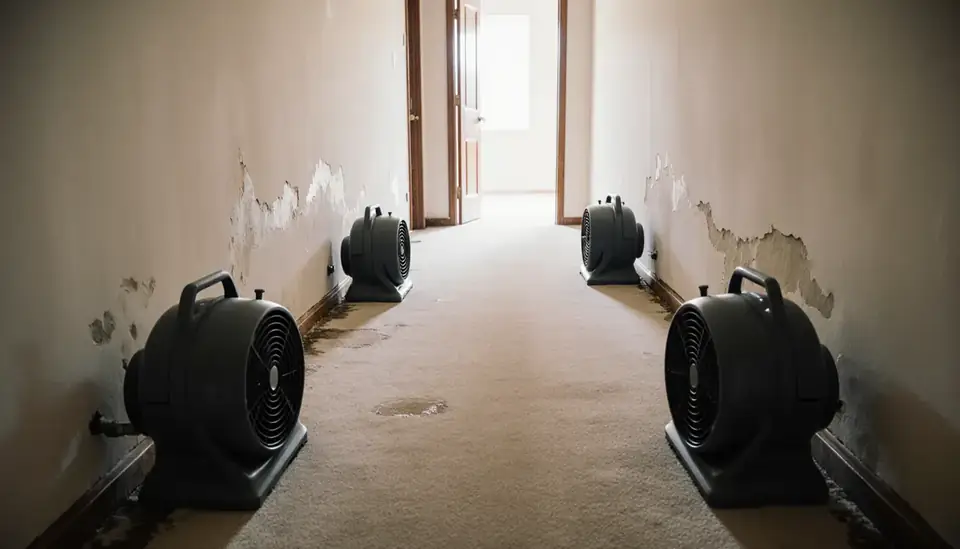
Several village properties are listed on the National Register of Historic Places, including houses on Guadalupe Trail and the Los Poblanos Historic District along State Road 194. Older homes like these may have plaster walls, wood floors and layered renovations that hide old plumbing. Water moves through them differently than through a newer house, and it can stay hidden inside walls for a long time.
When an older building gets wet, the goal is to dry original materials in place where that is possible rather than tearing them out. That calls for careful moisture monitoring, controlled dehumidification and patience. Ask a provider how they plan to protect plaster and old wood floors before demolition starts, and keep photos of original features in case repairs are needed.
The First Few Hours After a Leak
Most indoor water damage here starts with a broken supply line, a failed water heater, a winter pipe freeze or a roof leak rather than river water. The first steps are the same in each case: stop the water at the main shutoff or the fixture valve, turn off power to wet areas if you can do it safely, and move furniture and rugs off wet floors. Then call for help. Water damage restoration moves faster when extraction begins the same day, before water wicks into walls and under flooring.
Document the damage with photos and video before anything is removed, and keep damaged items until your insurer has seen them or told you to discard them.
Shade, Irrigation and Hidden Moisture
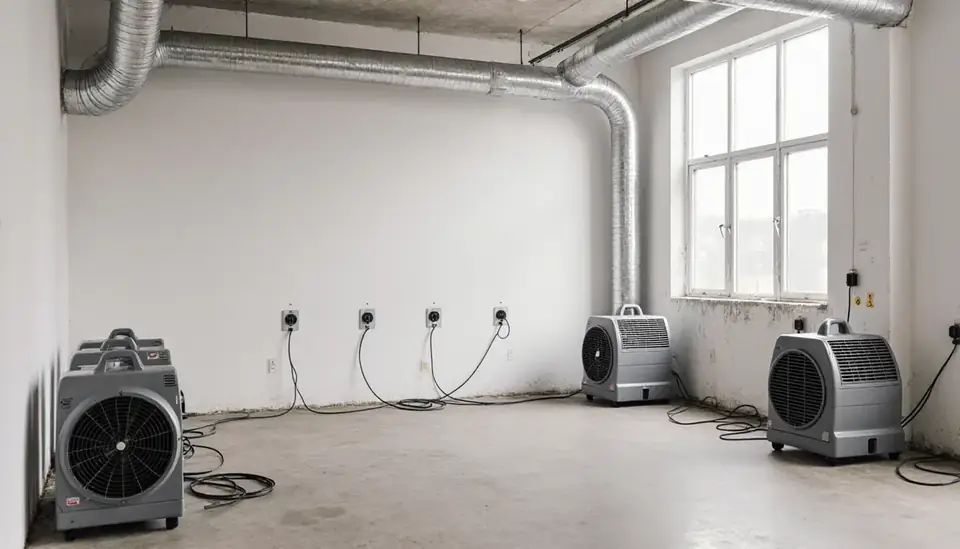
Los Ranchos is dry for most of the year, but shaded walls and ground that is watered through the irrigation season can stay damp longer than in the open parts of the metro. Inside the house, mold comes from water left in place, not from the climate. Behind cabinets, under rugs and inside walls are the usual spots. If you smell mustiness after a leak has been fixed, have the area checked with a moisture meter, and consider a mold cleanup specialist if growth is visible.
Where Callers in the Los Ranchos de Albuquerque Area Are
Calls come in from across Los Ranchos de Albuquerque, including:
- Los Poblanos
- Guadalupe Trail
The same line also serves nearby communities such as:
Los Ranchos de Albuquerque Water Damage Questions
Does Los Ranchos still flood the way it did in 1904?
River flooding on that scale is far less likely now because of upstream dams, levees and the drainage system built by the Middle Rio Grande Conservancy District. Local flooding from intense monsoon rain is still possible, especially on flat lots where water has nowhere to drain. Check your property on FEMA's flood map viewer and remember that flood coverage is bought separately from homeowners insurance.
A tree limb went through my roof during a storm. What should happen first?
Make sure no one is under the damaged area and that no power lines are involved. If it is safe, move belongings away and put buckets or tarps down inside. The opening needs temporary protection as soon as possible to keep further rain out. A storm damage provider can often tarp the roof, remove water and start drying the same visit.
Who is the local government for a home in the village?
Los Ranchos de Albuquerque has been an incorporated village since 1958, with its own government and public safety information on the village website, even though the mailing address may read Albuquerque. For water damage inside your house, our free line at (888) 317-9980 connects you with an independent restoration provider that serves the village.