
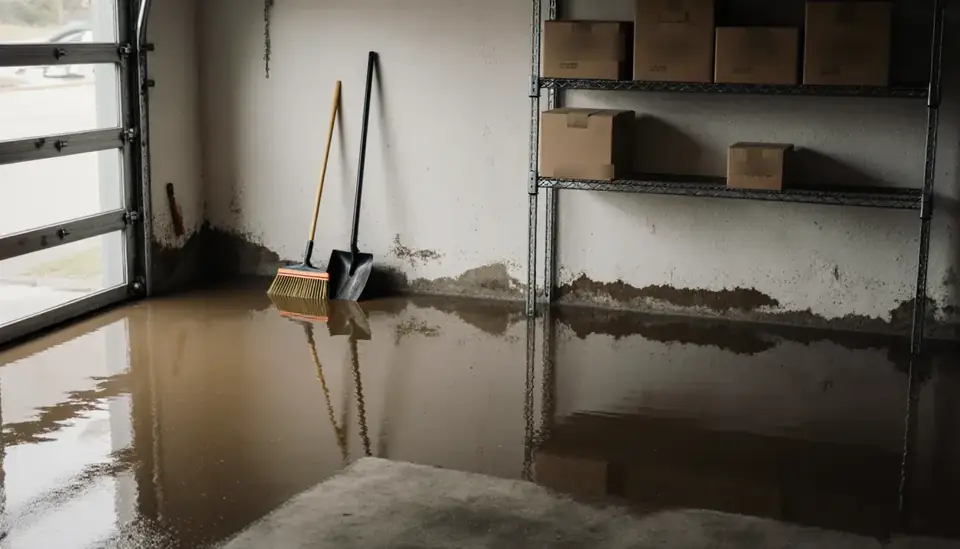
Corrales occupies a narrow strip of farmland between the Rio Grande bosque and the bluffs below Rio Rancho. The village incorporated in 1971 and still keeps pastures, orchards and horse property, fed by canals and acequias that carry river water to fields. Much of it has no centralized water system, so a typical household runs its own well, pump and septic leach field. Those details change what a water emergency looks like here compared with a city lot on municipal service.
Calls to The Restoration Job at (888) 317-9980 are answered around the clock. We are a free referral service that connects callers with independent, third-party restoration providers serving Corrales and the rest of southern Sandoval County. We do not do the work ourselves; the provider you are connected with assesses the damage and sets its own schedule, and many often offer emergency service.
How the call works: when you call (888) 317-9980, The Restoration Job connects you with an independent restoration provider that serves Corrales. That provider inspects the damage, explains the scope and quotes the work. The Restoration Job doesn't perform restoration itself. Read our referral disclosure.
Runoff From the West Mesa and Water Along the Valley Floor
Most of Corrales sits near 5,000 feet on the valley floor, below the higher ground of Rio Rancho to the west. During a monsoon cloudburst, which the National Weather Service says can arrive anytime from mid-June through late September, water from the mesa heads east through arroyos and along roads toward the river. The Southern Sandoval County Arroyo Flood Control Authority, which also covers Rio Rancho and part of Bernalillo, manages regional arroyo infrastructure for the village.
The village's own Public Works crew maintains about 62 miles of roads, a good share of them dirt or gravel, along with drainage in public rights-of-way. Unpaved lanes can turn into shallow channels in a heavy storm, carrying silt into driveways, barns and casitas. Floodwater carrying soil, manure or field runoff should be treated as contaminated during cleanup.
Private Wells, Pressure Tanks and Septic Leach Fields
A house on its own well has plumbing failure points that a city home does not. A cracked pressure tank, a failed fitting at the well head or a pump that keeps running after a line breaks can put a lot of water into a utility room or crawl space before anyone notices. Know where the well's breaker or disconnect is; cutting power to the pump is often the fastest way to stop a leak.
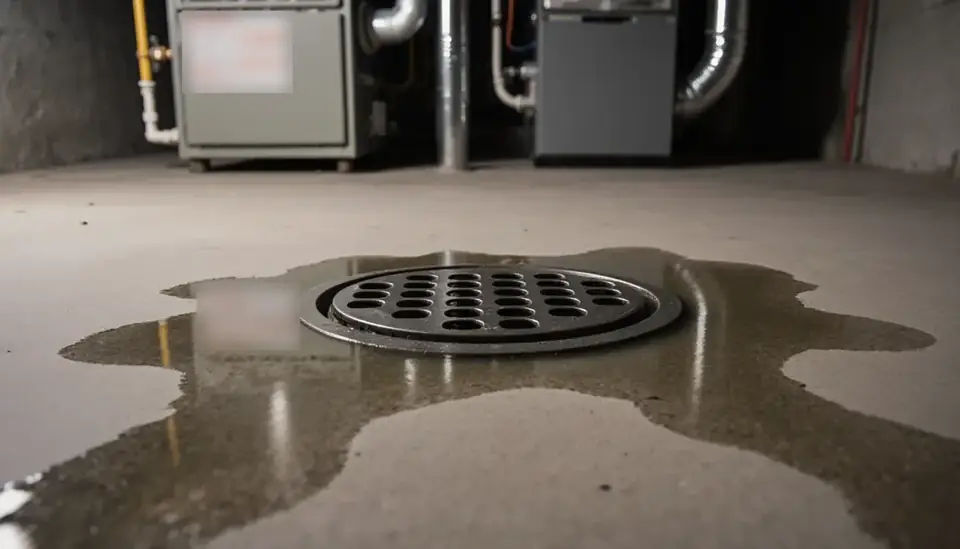
Septic systems add another layer. Saturated ground after heavy rain or irrigation can slow a leach field, and wastewater may back up into tubs and floor drains. That is a category of loss where porous flooring and drywall touched by the water are usually removed, not dried, and where a provider experienced in sewage cleanup is the right call. If floodwater reaches a well head, it is wise to have the water tested before drinking it again.
Older Village Homes, Additions and Outbuildings
Corrales has been farmed for centuries, and its building stock mixes older homes, decades of additions, newer custom houses and plenty of outbuildings. Water tends to find the seams: where an addition meets an older wall, where a flat roof drains toward a neighboring roof, or where a slab was poured at a different height than the original floor. Thick plaster and masonry walls can hold moisture longer than framed drywall, so drying them takes patience and repeated readings rather than a fixed number of days.
A provider doing water damage repair on an older home should explain which materials can be dried in place and which need to come out before they open anything up.
Swamp Coolers, Crawl Spaces and Hidden Mold
New Mexico air is dry, but that does not protect a wall cavity. With an evaporative cooler running all summer, a slow leak behind a vanity or under a sink can stay damp long enough to grow mold. Crawl spaces and storage rooms with poor airflow are common trouble spots after a summer storm. Musty odor, dark spotting at the base of walls or warped trim are reasons to have moisture checked. Professional mold cleanup typically means removing affected material under containment and then drying the structure, not just wiping surfaces.
A Corrales Checklist for the First Hour
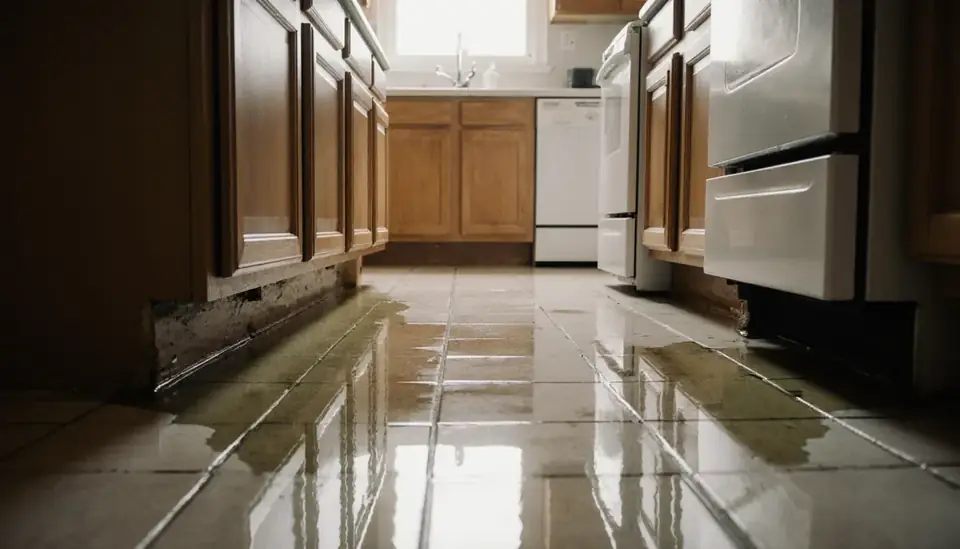
- Shut off the well pump or the main valve, and switch off power to wet rooms if it is safe.
- Photograph every wet area and damaged item before moving anything.
- Call your insurer; flood from outside is usually a separate policy from homeowners coverage.
- Ask the Village Planning and Zoning office about your flood zone determination and any permits needed for repairs.
- Keep children and pets out of water that came from a ditch, field or septic system.
Neighborhoods and Nearby Communities
The same line also serves nearby communities such as:
Common Questions
Does flooding from an irrigation ditch count as flood for insurance?
Usually, yes. Most homeowners policies treat water that enters from outside at ground level, whether from a storm, a road or an overtopped ditch, as flood, which they exclude. A National Flood Insurance Program or private flood policy covers that kind of loss. Sudden internal failures, such as a burst pipe or a broken pressure tank, are a separate category that standard policies often cover. Read your policy language and confirm with your agent.
My septic backed up after a big storm. Can it be dried out?
Sewage-contaminated carpet, pad, upholstery and the lower part of affected drywall generally cannot be safely dried and reused. Hard surfaces can be cleaned and disinfected. A restoration provider will typically remove contaminated porous materials, clean and sanitize, then dry the structure. Have a septic professional look at the tank and leach field too, or the problem may repeat the next time the ground is saturated.
How do I find out whether my Corrales property is in a flood zone?
The Village of Corrales Planning and Zoning office handles flood zone determinations, and FEMA's Flood Map Service Center lets you look up the official flood map for your address. Lots near the river, at the foot of the bluffs or along arroyo outlets are worth checking even if you have never seen water there.
Who is responsible for drainage on dirt roads in the village?
Village Public Works maintains roads and drainage in public rights-of-way, including the many dirt and gravel lanes. Private driveways and shared private roads are generally the owners' responsibility. Regional arroyos fall under SSCAFCA. If runoff from a public road is repeatedly reaching your home, documenting it with photos and dates helps when you contact the village.