
Placitas spreads across nearly 30 square miles of rolling foothill terrain on the northeast flank of the Sandia Mountains, at close to 6,000 feet. It began as the land-grant village of San José de las Huertas in 1767 and today is an unincorporated community of about 5,000 people, with homes set far apart on sloping lots, long driveways and dirt roads. There are no lakes or rivers inside the community. Water damage here comes from the sky, from the slopes above a house, and from the plumbing inside it.
The Restoration Job operates a free 24/7 phone line at (888) 317-9980 that connects callers with independent, third-party restoration providers serving Placitas and the surrounding part of Sandoval County. We are a referral service only. The provider you reach does the inspection and work and sets its own schedule, and many often offer emergency service.
How the call works: when you call (888) 317-9980, The Restoration Job connects you with an independent restoration provider that serves Placitas. That provider inspects the damage, explains the scope and quotes the work. The Restoration Job doesn't perform restoration itself. Read our referral disclosure.
Hillside Lots and Runoff Off the Sandia Foothills
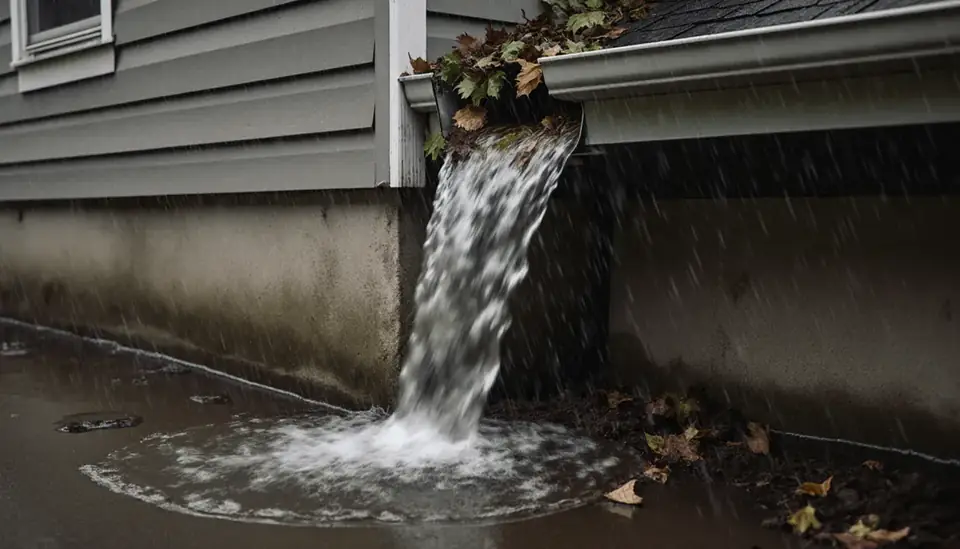
Building on a slope changes how storms behave around a house. When a monsoon cell parks over the foothills, which the National Weather Service in Albuquerque says can happen anytime from mid-June through late September, rain that cannot soak into rocky ground runs downhill across driveways and through drainage swales. A home cut into a hillside can take that water against its uphill wall, at a garage door, or through a walkout lower level.
Canyons such as Las Huertas drain the higher terrain of the range, and dirt roads can concentrate runoff into narrow paths. Check that grading still slopes away from the foundation, that canales and gutters discharge well clear of the walls, and that culverts under your driveway are not choked with sediment before summer.
Wildfire Planning and What It Means for Flood Risk
Sandoval County maintains a Community Wildfire Protection Plan and a draft Natural Hazards Mitigation Plan that cover unincorporated communities like Placitas. The two hazards are linked. Elsewhere in New Mexico, burned slopes have shed water and ash far faster than healthy ground, and homes below them flooded during the next monsoon. If a fire ever burns in the hills above your property, treat the following summers as a period of higher flood and debris risk, even if water has never reached the house before.
Debris-laden water is not a clean-water job. Mud, ash and soil call for removal of soaked porous materials, thorough cleaning and disinfection, and flood cleanup methods rather than simple extraction.

Hail, Snow Load and Frozen Lines at 6,000 Feet
The NWS notes that central and western New Mexico counties see damaging hail at least twice a year. On a Placitas roof, that can mean split membrane on a flat section, cracked skylights or a dented cooler that starts leaking into the ceiling. The Sandia Mountains above town are much snowier than the valley, and winter storms that reach the foothills bring hard freezes. Pipes in exterior walls, unheated garages, guest casitas and well houses are vulnerable, and long runs between buildings give a broken line plenty of room to soak the ground or a crawl space before it is found.
For roof and wind damage, a provider handling storm damage cleanup will typically secure the opening first, then extract and dry.
Slow Leaks, Remote Rooms and Mold
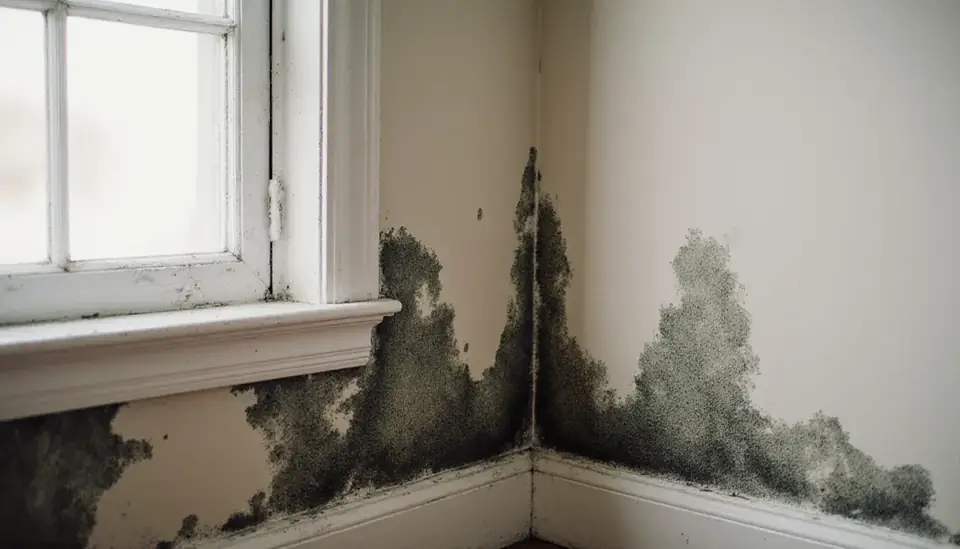
Large, spread-out houses and part-time residences have a particular problem: a leak can run for days before anyone walks into that room. A supply line under a guest bath, a water heater in a detached garage or a drip at a cooler line can wet framing and subfloor for long enough to start mold, even in dry air. Musty smells, cupping wood floors and stains low on walls are the usual signs. Professional mold removal generally includes containment, removing affected porous materials and drying the structure, followed by a moisture check before rebuilding. An automatic shutoff valve or simple leak sensors are worth considering if the house sits empty for stretches.
Sorting Out the Right Next Step
- Shut off water at the main or at the well pump, and turn off power to wet areas if it is safe to do so.
- Photograph the damage and the source before anything is moved.
- Call your insurer; surface water from outside is generally excluded from homeowners policies and handled by separate flood coverage.
- Look up the property on FEMA's Flood Map Service Center, keeping in mind that hillside runoff often happens outside mapped zones.
- For county road drainage or hazard-planning questions, contact Sandoval County.
Where Callers in the Placitas Area Are
The same line also serves nearby communities such as:
Frequently Asked Questions
Placitas has no river. Can a home here really flood?
Yes, though usually from runoff rather than a river rising. Heavy monsoon rain on rocky hillsides can move quickly downhill across lots and roads and pile up against an uphill wall or garage door. Homes below drainages, or below any future burn scar, face higher risk. That kind of water is usually treated as flood by insurers, so it is worth reading your policy before the season starts.
My home sits empty part of the year. How can I limit water damage?
Shut off the main water supply or the well pump when you leave, keep the heat at a safe minimum in winter, and consider leak sensors or an automatic shutoff valve that can alert your phone. Have someone check the house after big storms or a hard freeze. Many costly Placitas-area losses come from leaks that ran unnoticed for days, not from the initial break.
Who handles drainage problems on roads in Placitas?
Placitas is unincorporated, so public roads and drainage there are generally handled by Sandoval County rather than a town government, while private roads and driveways belong to owners or road associations. Damage inside your home is between you, your insurer and the contractor you choose. Keep photos and dates if runoff from a road keeps reaching your property.