
New Bern was built where the Trent River flows into the Neuse, and Union Point Park sits right at the meeting of the two. At an elevation of about 13 feet above sea level, it floods from both directions: rain that runs downriver and wind-driven surge that pushes upriver. Hurricane Florence demonstrated that in September 2018, when storm surge and days of rain flooded large parts of town and about 150 people needed rescue.
Our phone line is a free connection service, not a contractor. Call (888) 317-9980 at any hour and we will link you with a provider that works in New Bern and the rest of Craven County. Those providers run their own businesses, set their own prices, and often offer emergency response for flooding and storm damage.
How the call works: when you call (888) 317-9980, The Restoration Job connects you with an independent restoration provider that serves New Bern. That provider inspects the damage, explains the scope and quotes the work. The Restoration Job doesn't perform restoration itself. Read our referral disclosure.
Florence, Floyd, Ione and Surge on the Neuse
On September 13, 2018, Florence's surge flooded New Bern from the river, and days of heavy rain followed. Craven County had been placed under a mandatory evacuation two days earlier. The city has a long record of hurricane damage before that, including the Great Chesapeake Bay Hurricane of 1769, Hurricane Ione in 1955 and Hurricane Floyd in 1999.
Surge flooding behaves differently from a creek overflowing after a downpour. Water arrives with the wind, can rise several feet in hours, and is usually brackish and contaminated. Salt residue keeps drawing moisture back into materials, so thorough rinsing and cleaning are part of the job, along with removal of wet drywall, insulation and flooring. After that, structural drying brings framing and subfloors down to normal moisture before rebuilding starts.
Historic Downtown, Riverside and Ghent
New Bern has four districts on the National Register of Historic Places and two local historic districts, Downtown and Riverside. The Ghent Historic District, laid out between 1912 and 1941 along Trent Boulevard, is filled with Colonial Revival houses and Craftsman bungalows. Older homes like these bring particular concerns after a leak or flood:
- Plaster walls and old-growth wood floors can often be dried and kept if work starts quickly.
- Raised foundations and crawl spaces can hold water and humidity after the rooms above are dry.
- Exterior repairs in a local historic district may need city approval, so check before replacing original windows, siding or trim.
Ask any provider to explain what can be saved before agreeing to large-scale demolition.

Flood Insurance and Craven County's Discount
Standard homeowners insurance does not cover rising water from the Neuse, the Trent or storm surge. That comes from a separate flood policy, and new policies usually have a waiting period, so buying one when a storm is already in the forecast is too late. Craven County's improved standing in the federal Community Rating System now gives property owners in unincorporated parts of the county a 15 percent discount on flood insurance premiums, up from 10 percent.
To see your mapped flood zone and base flood elevation, look up your address in North Carolina's Flood Risk Information System. For longer-term rebuilding help after Matthew and Florence, the city points residents to the Coastal Carolina Disaster Resiliency Agency, which repairs homes in Craven and Jones counties.
Steps to Take While the Water Is Still Fresh
For a burst pipe or appliance leak, shut off the main valve and the power to wet rooms if you can do so safely. For storm or river flooding, wait until officials say it is safe to return, wear boots and gloves, and keep away from standing water near outlets. Photograph every room and damaged item before anything is moved. Then call to be connected with a provider for water damage restoration in New Bern. The sooner extraction and drying begin, the more of the structure and contents can usually be saved.
Mold in a Waterfront Climate
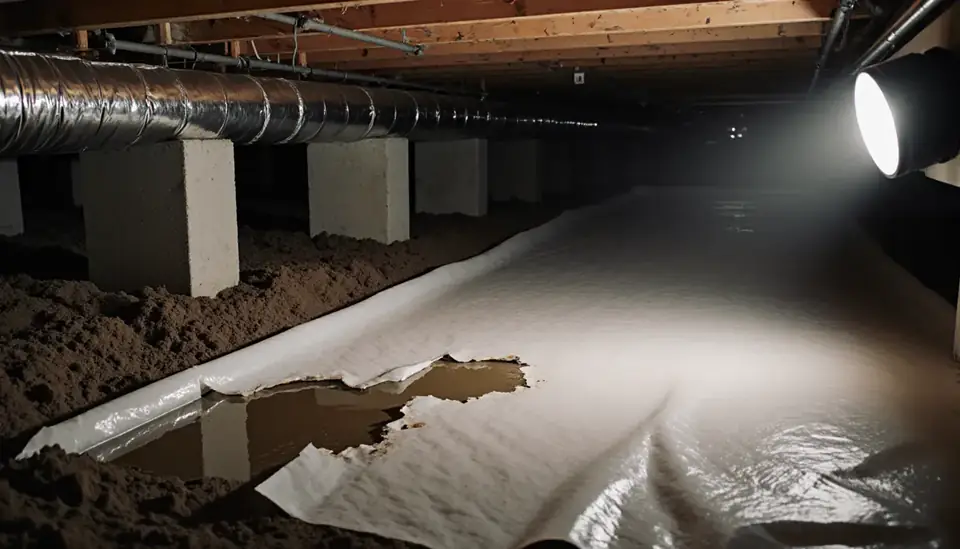
New Bern averages around 53 inches of precipitation a year, with July and August the wettest months, and the river air stays humid through most of the summer. That combination lets mold grow quickly on wet drywall, carpet pad and crawl-space insulation, sometimes within a day or two. After surge or river flooding, mold is often the biggest follow-up problem. Getting materials out and drying started fast is the most effective prevention. Where growth has already taken hold, remediation means removing affected materials under containment, cleaning the area and fixing the source of moisture.
New Bern Neighborhoods and Surrounding Towns
Calls come in from across New Bern, including:
- Downtown New Bern
- Riverside
- Ghent
The same line also serves nearby communities such as:
- Trent Woods
- River Bend
- Bridgeton
- James City
- Havelock
- Vanceboro
Common Questions
Is storm surge cleanup different from cleanup after a pipe break?
Yes. Water from a supply line is relatively clean and can often be dried in place if work starts quickly. Surge from the Neuse is brackish and contaminated, so drywall, insulation, carpet and pad it reached are usually removed, and the structure is cleaned and disinfected before drying. Salt residue also needs attention because it keeps pulling moisture into materials.
My house is in a historic district. Can a restoration company start work right away?
Emergency steps such as water extraction, tarping and drying can normally begin immediately to prevent further damage. Exterior changes to properties in New Bern's local historic districts, such as replacing windows, doors or siding, may need city approval first. Check with the city's planning staff before permanent exterior repairs.
Where can I check flood maps for a New Bern address?
North Carolina Emergency Management's Flood Risk Information System shows mapped flood zones and base flood elevations by address. If you are in an unincorporated part of Craven County, ask your agent about the Community Rating System discount on flood premiums. To get connected with a restoration provider after a flood, call (888) 317-9980.
Can I link up with the same company for Havelock and New Bern properties?
Many providers serve all of Craven County, including Havelock. When you call, give the address of each property and we will connect you with an independent company that covers that area. Each company decides its own service area, so availability can vary from storm to storm.