
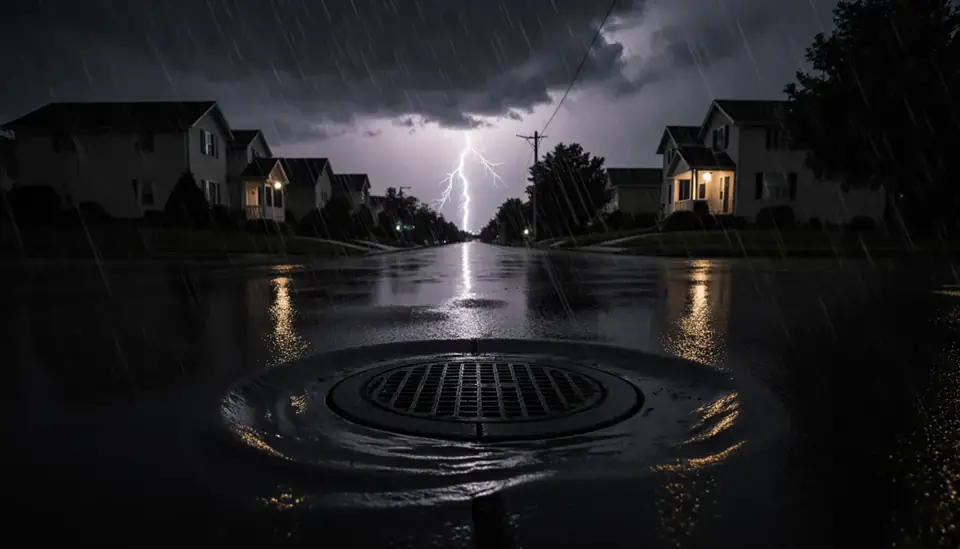
Two neighboring towns, Batesburg and Leesville, merged in 1992 to form the community that straddles western Lexington County and a sliver of Saluda County today. At about 653 feet, the town sits on the Atlantic Seaboard Fall Line, so it is higher and better drained than much of the Midlands. That does not make it immune to water problems. Most damage here comes from storms that bring down trees and open roofs, plumbing that fails in older houses, and long rains that saturate crawl spaces.
Calling (888) 317-9980 puts you in touch with The Restoration Job, a free referral line that connects you with an independent restoration provider serving the Batesburg-Leesville area, Gilbert and nearby communities. Rates, timing and emergency availability are set by each provider.
How the call works: when you call (888) 317-9980, The Restoration Job connects you with an independent restoration provider that serves Batesburg-Leesville. That provider inspects the damage, explains the scope and quotes the work. The Restoration Job doesn't perform restoration itself. Read our referral disclosure.
Higher Ground on the Fall Line, Different Risks
During the October 2015 floods, a Batesburg weather station recorded 8.60 inches, a heavy soaking but well below the 17 inches measured near Chapin in the northern part of the county. Even so, Lexington County as a whole was hit hard enough to receive more than $21 million in federal disaster recovery grants afterward, money that went to home buyouts, housing rehabilitation and infrastructure repairs.
Hurricane Helene in September 2024 showed the other side of the local risk. Only 2.79 inches fell at the police department, yet a gauge eight miles north of Leesville logged 7.12 inches, and the NWS reported many trees and power lines down across Lexington County, with 3 homes destroyed and 41 damaged. Rain totals can vary sharply over a few miles, so a neighbor's dry basement says little about yours.
Old Depot-Town Buildings and Storm-Opened Roofs
The town's National Register listings include the Batesburg Commercial Historic District, the Church Street Historic District, the Leesville College Historic District and the Southern Railway Depot. Brick storefronts and older frame houses are sturdy, but flat commercial roofs, aging flashing and big shade trees make roof leaks one of the most common sources of interior water.
- After high winds, check ceilings for fresh stains and the attic for wet insulation.
- Cover openings with a tarp only if it can be done safely from the ground or by a professional.
- Move furniture and electronics away from drips and set out buckets.
- Photograph roof and interior damage before repairs for your insurer.
When a tree or wind has breached the roof, storm damage cleanup typically pairs emergency tarping with removal of saturated ceiling materials and drying of the framing underneath.

Town Water Lines, Breaks and Sewer Backups
Batesburg-Leesville runs its own water and sewer system, serving more than 5,600 customers and selling water wholesale to Ridge Spring. The utilities department asks residents to report water breaks and sewer backups after hours through the police department at (803) 532-4408; during business hours, the water department number is (803) 532-6410. Problems inside your house or on your side of the meter are generally yours to repair.
A sewer backup into a home is treated as contaminated water. Porous items it touched, such as carpet and the bottom of drywall, are normally removed, and the area is cleaned and disinfected before drying. A broken supply line, by contrast, is clean at first, and quick water extraction can often save flooring and cabinets if it starts within the first day.
Cold Snaps, Humid Summers and Hidden Mold
The local climate is humid subtropical, with about 47 inches of precipitation a year. Winters are usually mild, but the town's record low of minus 4 degrees, set in 1899, shows that hard freezes do happen here. Pipes in crawl spaces, exterior walls and unheated utility rooms are the ones most likely to split when temperatures drop well below freezing.
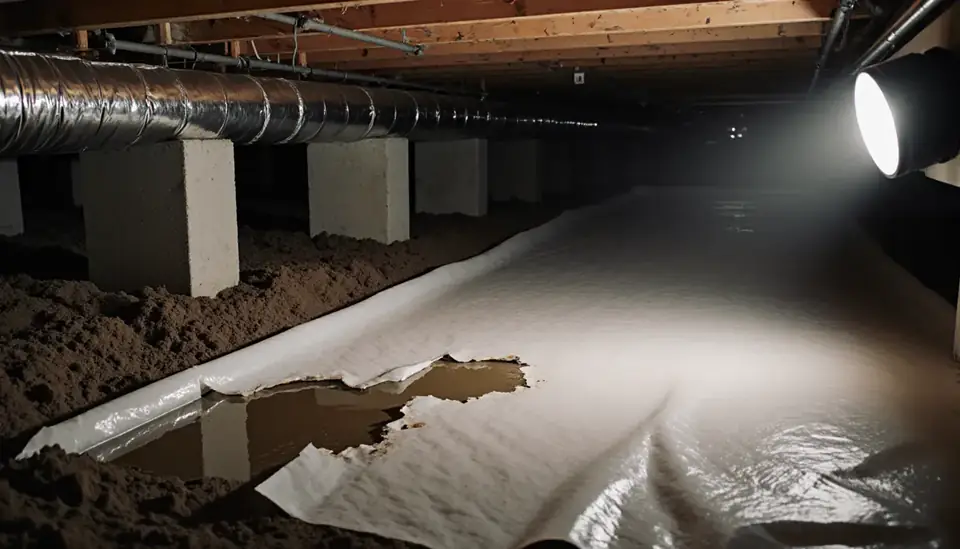
Summer brings the opposite problem. Humidity keeps wet materials from drying, and mold can begin on damp wood or drywall within a day or two. A restoration provider will normally measure moisture inside walls and floors, dry with dehumidifiers and air movers, and recommend mold remediation only where growth has taken hold.
Alerts, Road Closures and Flood Coverage
Lexington County Emergency Management offers CodeRED alert sign-up and an online map of road closures during emergencies, which is useful when storm debris blocks routes between Batesburg-Leesville, Gilbert and Lexington. For insurance, remember that standard homeowners policies exclude rising floodwater. A separate flood policy, usually through the National Flood Insurance Program, is needed for that, and it normally takes effect only after a waiting period. Damage from a burst pipe or wind-driven rain through a damaged roof is handled differently, so record the cause as clearly as you can.
For statewide background on storms and flooding, see our South Carolina service area page.
Where Callers in the Batesburg-Leesville Area Are
Calls come in from across Batesburg-Leesville, including:
- Batesburg Commercial Historic District
- Church Street Historic District
- Leesville College Historic District
The same line also serves nearby communities such as:
- Gilbert
- Monetta
- Ridge Spring
- Lexington
Frequently Asked Questions
Who do I call about a water main break in Batesburg-Leesville at night?
The town's utilities department asks residents to report water breaks and sewer backups after hours to the Batesburg-Leesville Police Department at (803) 532-4408. During weekday business hours, call the water department at (803) 532-6410. Damage inside your home is a separate matter; if water has reached floors or walls, start extraction and drying while the town handles its lines.
Is flooding a concern on the Fall Line, or mostly storms?
Storms and plumbing failures cause most water damage here, but heavy rain still matters. The town recorded 8.60 inches during the October 2015 event, and totals during Helene ranged from under 3 inches in town to over 7 inches a few miles north. Low yards, crawl spaces and driveways that slope toward a house can take on water in long rains even on higher ground.
How should I protect pipes during a hard freeze?
Insulate exposed pipes in crawl spaces and along exterior walls, seal foundation vents or gaps that let cold air in, and keep cabinet doors open on outside walls so warmer air reaches the plumbing. If you leave home, keep the heat on. If a pipe bursts, shut the main valve right away and call for help before water spreads into subfloors and walls.