
Perched at about 1,017 feet on the edge of the Blue Ridge Escarpment, Walhalla sits higher and wetter than most of South Carolina. The town's long-term average is around 61 inches of precipitation a year, well above what Piedmont towns farther east record, and the slopes around it funnel that rain quickly into creeks, ditches and low yards. Add winter cold snaps that have dropped as low as five below zero, and the Oconee County seat has its own mix of water problems: storm runoff, roof leaks under heavy trees and pipes that split on freezing nights.
The Restoration Job does not send out crews of its own; it is a free referral line. Call (888) 317-9980 any time of day and we will connect you with an independent restoration provider that serves Walhalla and the surrounding foothills. Providers set their own pricing and schedules, and many offer emergency service for active leaks and flooding.
How the call works: when you call (888) 317-9980, The Restoration Job connects you with an independent restoration provider that serves Walhalla. That provider inspects the damage, explains the scope and quotes the work. The Restoration Job doesn't perform restoration itself. Read our referral disclosure.
Escarpment Rainfall and What Helene Showed the Foothills
The Blue Ridge Escarpment acts like a wall that wrings moisture out of storms moving in from the south. During Hurricane Helene in late September 2024, the National Weather Service office in Greenville-Spartanburg reported storm totals of 14 to 20 inches near the escarpment, with isolated spots reaching two feet or more, compared with 7 to 13 inches across much of the rest of the Upstate. Gusts of 55 to 70 mph toppled trees and knocked out power to every customer in several Upstate counties.
For a town surrounded by hardwood forest, that combination matters. A fallen oak can open a roof in seconds, and rain then runs into attics, ceilings and wall cavities for hours before anyone can get a tarp on. If a tree or limb has broken through, storm damage cleanup generally starts with tarping and board-up so the interior stops taking on water before drying begins.
Hillside Lots, Granite Ground and Crawl Spaces
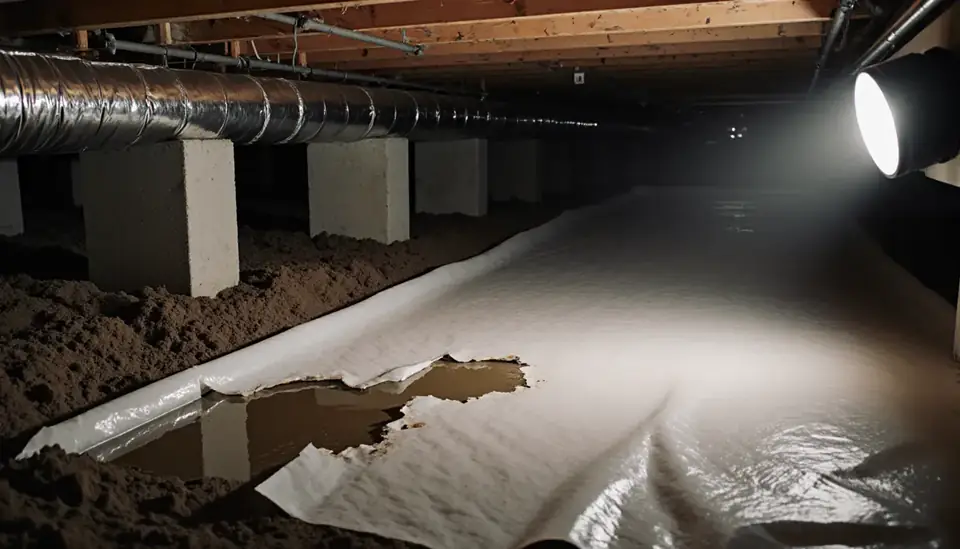
Much of Walhalla is built on granite, and many homes sit on sloping lots. Rock close to the surface keeps water from soaking in, so heavy rain tends to run across the ground and collect against foundations on the uphill side of a house. Crawl spaces on the downhill side often end up with standing water or saturated soil after a long storm, even when the living space looks dry.
Things worth checking after a heavy rain:
- Pooled water or wet vapor barrier in the crawl space, especially near the uphill wall
- Sagging or wet fiberglass insulation between floor joists
- Gutters and downspouts that discharge right beside the foundation
- Musty odors in closets or lower cabinets along exterior walls
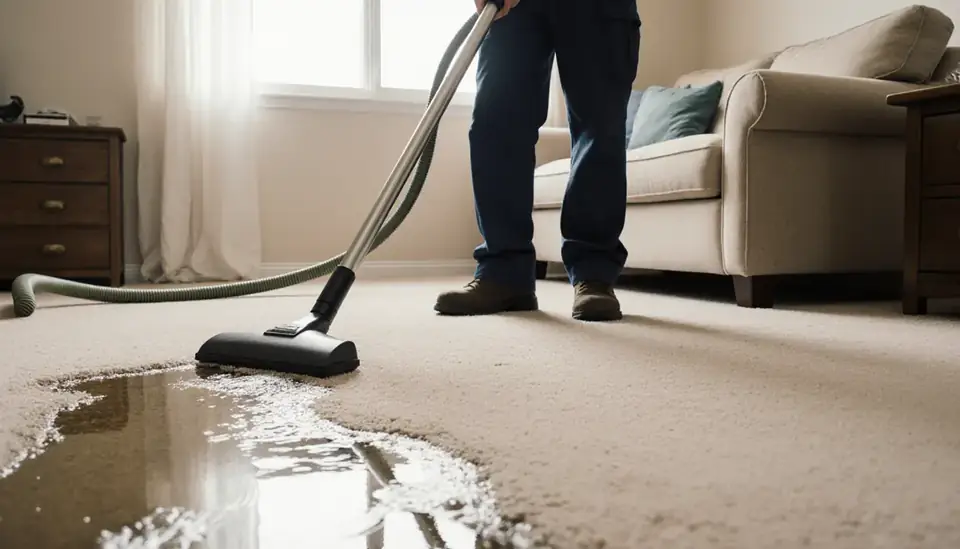
Standing water under a house usually needs pumping or water extraction before fans and dehumidifiers can do much good.
Frozen Pipes at Foothill Elevation
Walhalla's record low of minus five degrees is a reminder that winter here behaves differently than it does in the Midlands or on the coast. Supply lines in crawl spaces, on exterior walls or in unheated additions are the usual failure points. A split pipe often goes unnoticed until it thaws, and by then it may have been spraying under the floor for hours.
The City of Walhalla explains that the city maintains the water system from the main to the meter, while the customer owns the service line from the meter to the house. If water is surfacing in your yard between the meter and the home, that line is the owner's responsibility. The city's utility page also describes a simple leak test: shut off every fixture and watch whether the meter keeps moving. For a main or meter problem after hours, the city lists an emergency number on its public utilities page.
Damp Mountain Air and Mold on Wet Materials
Higher rainfall and shaded, wooded lots keep humidity up in the foothills for much of the year. Wood framing, subfloors and drywall that stay wet for more than a day or two can start growing mold, particularly in closed-up crawl spaces and basements where air barely moves. Drying the structure quickly, with dehumidifiers running and moisture readings taken until materials return to normal, is the most practical defense.
Where growth has already appeared on framing or drywall, mold remediation normally means containing the area and removing affected material rather than wiping the surface. A provider should be able to show you moisture readings before and after the work so you know the cause is fixed.
Older Homes Around the Historic Town Center
Walhalla was founded by German immigrants whose colonization society bought the land in 1849, and it became the county seat when Oconee County formed in 1868. Its older houses, churches and commercial buildings near the center of town often have original plumbing runs, plaster walls and additions built in different decades. Water can travel along old pipe chases and between layers of flooring that were installed on top of one another, so it may surface well away from the leak.
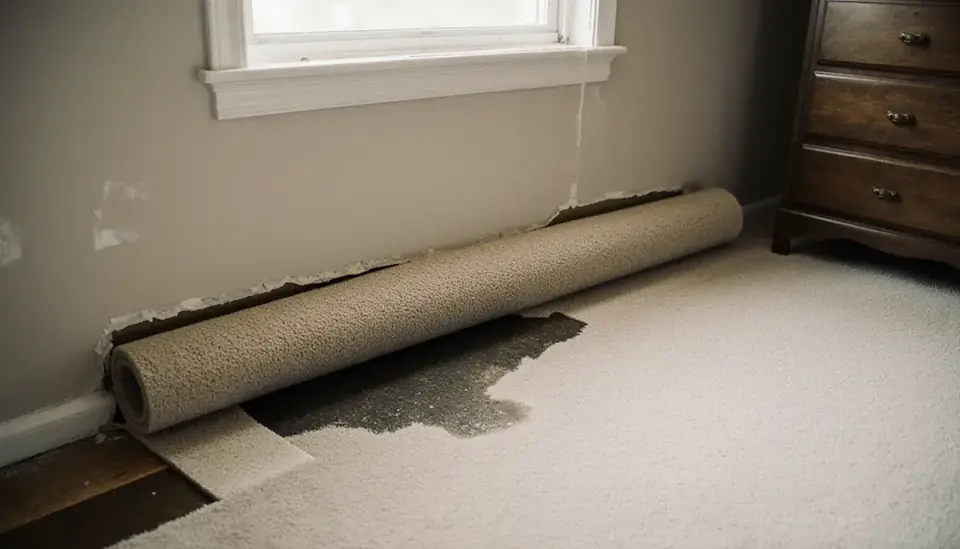
With these buildings, a careful moisture survey before demolition can save original materials. Plaster and hardwood often dry in place if caught early, while drywall patches and laminate added later may need to come out.
Areas In and Around Walhalla
The same line also serves nearby communities such as:
- Seneca
- West Union
- Westminster
- Mountain Rest
- Tamassee
- Oakway
- Newry
Walhalla Water Damage Questions
Who fixes a leak between the water meter and my house in Walhalla?
According to the City of Walhalla, the city maintains everything from the street main to the meter, including pressure regulators, while the property owner is responsible for the service line from the meter to the home. A plumber handles that section. If the leak has soaked a crawl space or wall, a restoration provider can dry the structure once the line is repaired.
Why does my crawl space flood when the street doesn't?
Many Walhalla lots slope and sit on shallow granite, so rainwater runs across the surface instead of soaking in. It collects against the uphill side of a foundation and seeps into the crawl space. Redirecting downspouts, regrading and sometimes a sump help prevent repeats, but water already under the house should be removed and the space dried before mold sets in.
Does homeowners insurance cover flooding from a creek or runoff in Oconee County?
Standard homeowners policies generally exclude flood damage from surface water or overflowing creeks. Protection against rising water requires its own flood policy, most often written through the National Flood Insurance Program, and a new one usually takes some time to become effective. Sudden pipe bursts are treated differently. Check your declarations page and the FEMA flood map for your address before a storm, not after.
What should I do first if a tree falls on my roof during a storm?
Get everyone out of the affected rooms, then call your power company if lines are involved and 911 if anyone is hurt. Once it is safe, photograph the damage and call your insurer. Covering the opening quickly limits how much rain gets inside. You can call (888) 317-9980 to be connected with an independent provider that handles tarping and storm cleanup in the Walhalla area.