
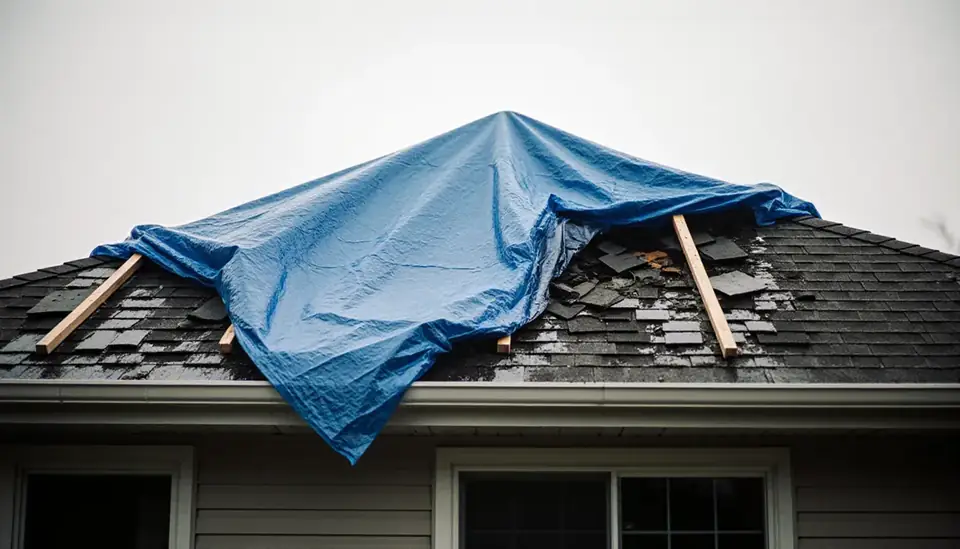
Two tornadoes in less than two years tore across Longview: an EF1 in March 2008 and an EF2 on December 23, 2009 that crossed Loop 281 and left homes with major roof damage. That pattern, wind first and water second, describes a lot of the losses in this Sabine River city. Longview averages a little over 48 inches of rain a year, and when a roof or window gives way during a storm, that rain ends up in ceilings, walls and floors.
As a free referral line, The Restoration Job owns no equipment and sends no workers. Dial (888) 317-9980, day or night, to be put through to a provider that serves Longview, Kilgore, White Oak and the surrounding area. Providers here regularly handle storm damage cleanup, water extraction, drying and mold work, and many respond to emergencies.
How the call works: when you call (888) 317-9980, The Restoration Job connects you with an independent restoration provider that serves Longview. That provider inspects the damage, explains the scope and quotes the work. The Restoration Job doesn't perform restoration itself. Read our referral disclosure.
Tornado Tracks Across Loop 281 and the East Side
The National Weather Service in Shreveport surveyed both storms. The 2009 tornado touched down on the east side near East Cotton Street and Industrial Drive, packed winds of 110 to 120 mph, and ran about seven miles north-northeast. It badly damaged the FedEx building near Highway 80, then crossed residential streets beyond Loop 281 toward Page Road and Peter Bonner Road. The March 18, 2008 storm began in Rusk County, passed Kilgore and ended in Longview, where surveyors found straight-line winds up to 85 mph along streets such as Jean Drive, Electra Street, Alpine Road and Glover Drive.
Neither storm was a flood, but both produced water damage. Once shingles, decking or windows are gone, every following rain gets inside until the opening is sealed. Tarping or boarding up the same day keeps a wind loss from turning into a much larger water loss.
Gulf Storms That Reach Gregg County
Longview is far inland, yet hurricanes still arrive here as heavy rain and gusty wind. Rita in 2005 dropped 5.60 inches on the city with a 51 mph gust, and Ike brought a 56 mph gust in 2008. Tropical systems tend to bring long periods of steady rain on top of wind, so roofs that are already worn can leak in several places at once, and saturated ground lets large pines and hardwoods topple onto houses.
Power outages after these storms create a second problem. Without air conditioning or dehumidification, wet rooms stay wet. If a home will be without power for a while, removing soaked carpet, pad and lower drywall early does more good than waiting for equipment.

Oil-Boom Neighborhoods and Older Plumbing
Longview's housing reflects its growth spurts. The town was founded on railroad land in 1870, and the East Texas Oil Field discovery near Kilgore in 1930 sent Gregg County's population up more than fivefold by 1940. After World War II the city annexed Greggton and Spring Hill, and its population jumped from about 24,500 to 40,000 by 1960. A lot of homes from those decades still have original galvanized or cast-iron lines, older water heaters and raised floors.
Common indoor losses in houses like these include a supply line failing behind a toilet, a water heater leaking in a closet or garage, and drain lines backing up. Water from a clean supply line is far simpler to deal with than a drain or sewer backup, which needs contaminated materials removed and surfaces disinfected. Our sewage cleanup page explains how that work differs.
Getting a Longview Home Dry
- Stop the source: shut the main water valve, or cover the roof opening once it is safe.
- Turn off power to wet rooms and stay off ladders during lightning.
- Photograph damage before cleanup begins, including outside damage and fallen trees.
- Get standing water out and lift furniture onto blocks or move it to dry rooms.
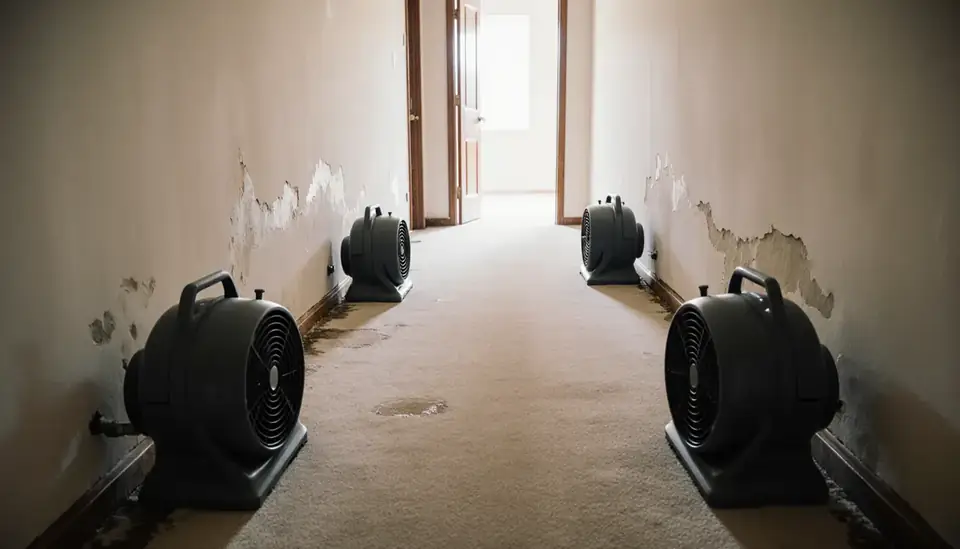
- Have a provider measure moisture inside walls and under floors, then dry with dehumidifiers and air movers until readings reach normal levels.
- Hold off on new paint, flooring or drywall until the structure is confirmed dry.
For storm alerts, the City of Longview uses Smart911, and residents can register for phone, text or email notifications.
Mold After Wet Weeks in the Piney Woods
Humid air, warm temperatures and slow drying combine to make mold a real follow-on risk after any leak in Longview. Growth commonly appears on the backside of drywall, under vinyl flooring, in attic decking below a roof leak and on crawlspace framing. Odor is often the first sign. When growth covers more than a small patch, or when it is on porous materials, removal and containment are usually needed, followed by drying and a final moisture check. Read more about mold remediation.
Neighborhoods and Nearby Communities
Calls come in from across Longview, including:
- Downtown
- Greggton
- Spring Hill
The same line also serves nearby communities such as:
Questions From Longview Property Owners
A tree fell on my house during a storm. What happens first?
Safety comes first, so keep everyone out of rooms under the damaged section. Tree removal and an emergency tarp or board-up are the priorities, because rain will keep entering until the opening is closed. Once the structure is covered, a restoration provider can extract water, remove soaked insulation and ceiling materials and start drying. Photograph everything before the tree is cut up.
Does Longview flood from the Sabine River?
The city sits just north of the Sabine, so properties close to the river and its low-lying tributaries face higher flood risk than those on higher ground. Most Longview water losses come from roof leaks, storms and plumbing, but checking your address on FEMA's flood map is still worthwhile, and remember that standard homeowners policies generally exclude flood damage.
How do I get emergency alerts in Longview?
The City of Longview uses Smart911 for emergency notifications, with alerts by phone call, text or email. You can register online, and the Longview Public Library offers in-person help signing up. The National Weather Service office in Shreveport issues tornado, severe thunderstorm and flood warnings for Gregg County.