
By 1860 Marshall was the fourth-largest city in Texas, and many of the houses from its antebellum, Victorian and railroad eras are still lived in today. Old houses and water make an uneasy pair: original plaster, old wood floors and pier foundations each react differently to a leak. The city also gets more than 51 inches of rain a year, sits about 40 miles west of Shreveport, and catches the tail of Gulf storms. After Hurricane Ike in 2008, about 82 percent of residents were without power for at least a day.
Rather than doing the work itself, The Restoration Job puts callers in touch with independent restoration companies at no charge. Call (888) 317-9980 at any hour to reach a provider serving Marshall and Harrison County. Providers here commonly handle water damage repair, drying, storm leaks and mold, and many offer emergency service.
How the call works: when you call (888) 317-9980, The Restoration Job connects you with an independent restoration provider that serves Marshall. That provider inspects the damage, explains the scope and quotes the work. The Restoration Job doesn't perform restoration itself. Read our referral disclosure.
Old Houses on Marshall's Seven Hills
North of Pinecrest Drive, the oldest part of Marshall stretches over seven hills, and the Ginocchio National Historic District preserves some of its earliest sections. Antebellum and Victorian homes center on Rusk and Houston streets. North of Grand Avenue, neighborhoods were built largely by Texas and Pacific Railway employees, and west of downtown are some of the oldest African-American neighborhoods in Texas, centered on Wiley University.
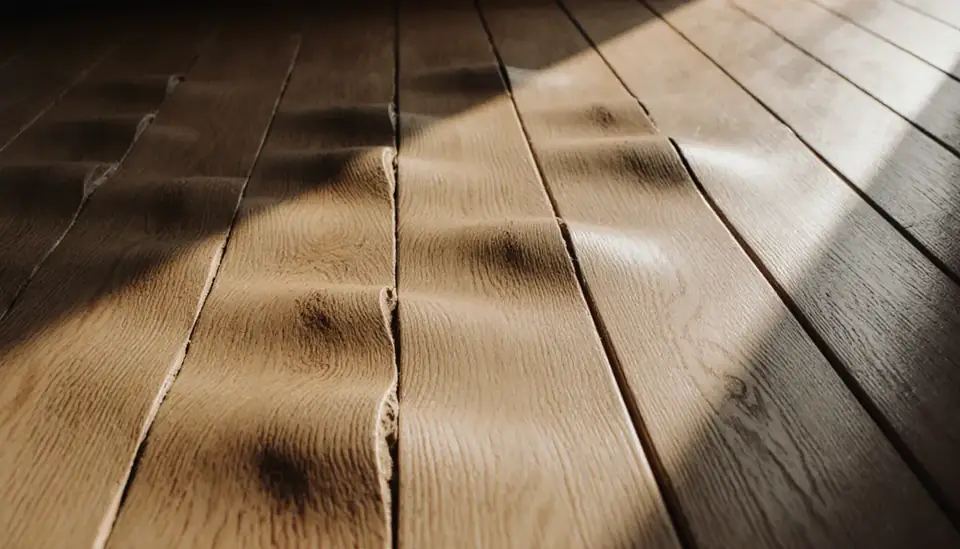
Homes of this age often have plumbing that has been patched for generations, roof valleys and box gutters that clog, and raised floors over crawlspaces. A slow leak inside a plaster wall may not show for weeks. When water does get in, plaster and old-growth wood floors can frequently be dried rather than torn out, as long as drying starts quickly and is checked with moisture meters. Careful water damage repair preserves original material wherever it is sound.
Ike, Rita and a Day Without Power
Ike's winds topped 60 mph in Marshall in September 2008, and the resulting outage left most of the city in the dark for at least 24 hours. Rita three years earlier dropped 4.28 inches of rain on the city, according to the National Weather Service office in Shreveport. The city has also been hit by tornadoes, including an F2 in 2000 that struck the south side of town.
Outages turn a manageable leak into a bigger problem because sump pumps, fans and air conditioning all stop. If water is coming in and the power is out, focus on what you can do by hand: bail or mop standing water, pull wet rugs and cushions outside, and open the house when the air outside is drier than inside.
Caddo Lake, Cypress Bayou and the Sabine
Harrison County is laced with water. The Sabine River forms its southern boundary, and Caddo Lake, Big Cypress Bayou, Cypress Bayou and Little Cypress Creek all lie within its borders, waterways that once carried the county's early river trade. Properties near these waters, and in low spots in and around Marshall, can take on surface water during prolonged heavy rain.
Flooding from outside is generally excluded from standard homeowners policies and needs separate flood coverage. Floodwater also carries mud and bacteria, so porous materials it soaks are usually removed and surfaces disinfected. The City of Marshall shares Turn Around Don't Drown flood safety reminders, and FEMA's Flood Map Service Center shows mapped flood zones by address.
Steps for Leaks in Historic and Newer Homes Alike
- Close the main water valve. In older houses it may be at the street, in the crawlspace or in a closet, so find it before you need it.
- Shut off electricity to wet areas, especially where old wiring runs through damp walls.
- Photograph every room, the source and any damaged antiques or heirlooms.
- Pull wet rugs and move furniture away from damp walls.
- Check the crawlspace for standing water and wet insulation.
- Choose a provider who measures moisture in plaster, wood floors and framing and adjusts drying to protect them.
Crawlspaces, Humidity and Mold Near the Louisiana Line
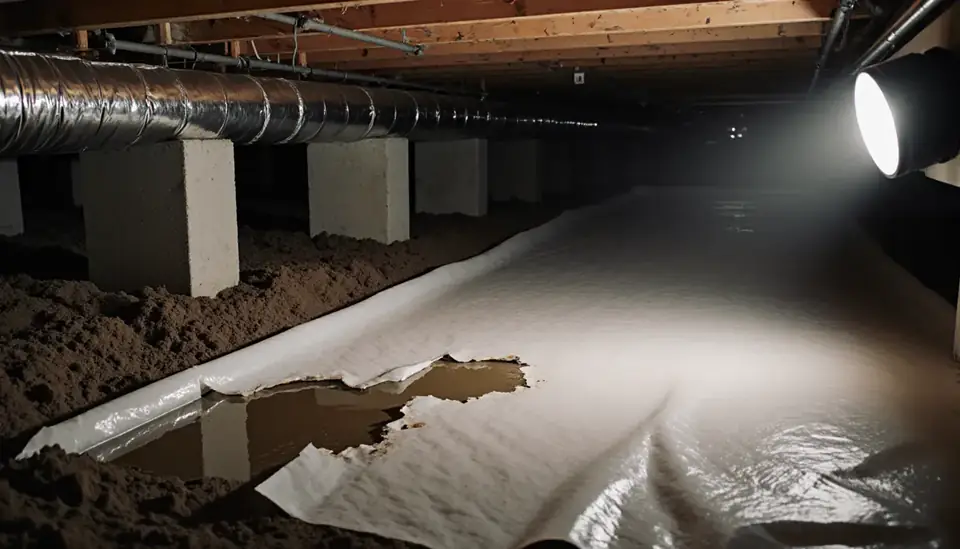
Marshall's humid summers keep crawlspaces damp even in dry spells, and a plumbing leak or drainage problem underneath adds to it. Moisture there can lead to mold on joists and subfloor, musty odors in the rooms above and cupping in wood floors. Inside, look at closet corners on exterior walls, under sinks and behind furniture pushed against outside walls. Larger growth on porous materials is usually removed under containment, and lasting results depend on fixing the moisture source, whether that is a leak, poor drainage or an open vent. For mold work, see mold remediation, and for nearby Gregg County, see Longview.
Marshall Neighborhoods and Surrounding Towns
Calls come in from across Marshall, including:
- Downtown
- Ginocchio National Historic District
The same line also serves nearby communities such as:
- Hallsville
- Waskom
- Scottsville
- Uncertain
- Longview
Marshall Water Damage Questions
Can original plaster walls be saved after a leak?
Often they can. Plaster tolerates brief wetting better than drywall, and if the water was clean and drying begins quickly, it can usually be dried in place while moisture is tracked. Plaster that has crumbled, separated from its lath or been soaked by dirty floodwater generally needs repair. That approach suits Marshall's many historic homes, where original finishes are worth protecting.
What should I check under a raised-floor house after a storm?
Look for standing water, sagging or wet insulation, a damp or torn vapor barrier and any musty smell. Note whether water is coming from a plumbing leak, from downspouts dumping next to the foundation or from the ground sloping toward the house. Fixing the drainage and drying the crawlspace protects the joists and the wood floors above.
Does Marshall get flooding from Caddo Lake or the bayous?
Properties close to Caddo Lake, Big Cypress Bayou, the Sabine River and other low-lying areas in Harrison County carry more flood risk than homes on higher ground in town. Most Marshall water losses come from storms, roof leaks and plumbing, but checking your address on FEMA's flood map and considering flood insurance is sensible if you live near water.