
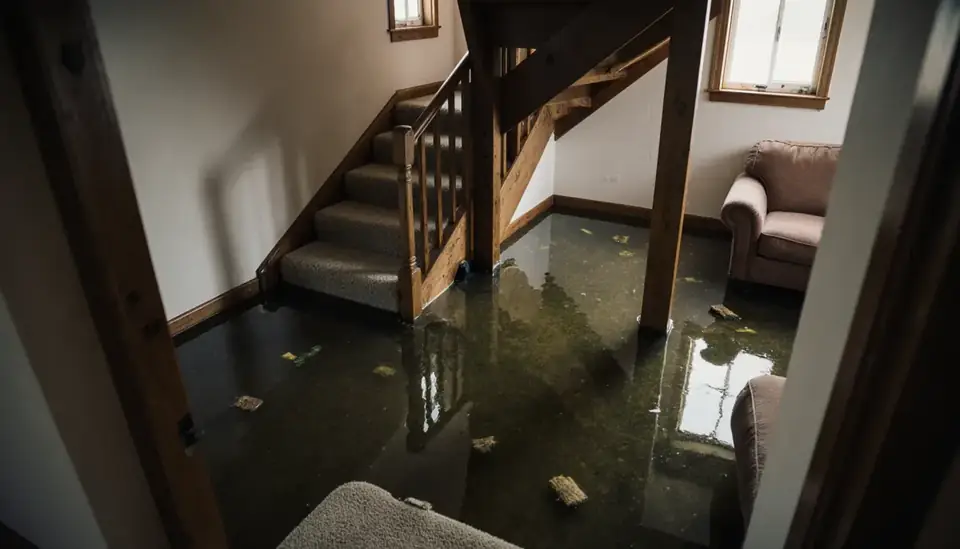
Sherman sits 70 miles north of Dallas at 686 feet, closer to the Red River and Lake Texoma than to any Gulf beach, and its water damage profile reflects that. Winter storms here can be serious: in December 2013 sleet and ice piled up as deep as 5 inches in a swath from Denton through Sherman to Bonham. Spring brings severe thunderstorms, and the city's history includes an F5 tornado on May 15, 1896 that cut a 28-mile path and killed 73 people.
The Restoration Job is a free call-connection line, not a restoration company. Dial (888) 317-9980 at any hour and we'll route you to an independent provider serving Sherman, Denison and the rest of Grayson County. Providers here regularly handle burst pipes, water extraction, roof leaks, drying and mold, and many offer emergency service.
How the call works: when you call (888) 317-9980, The Restoration Job connects you with an independent restoration provider that serves Sherman. That provider inspects the damage, explains the scope and quotes the work. The Restoration Job doesn't perform restoration itself. Read our referral disclosure.
Ice Storms, Hard Freezes and Split Pipes
Grayson County gets real winter weather more often than most of Texas. The December 2013 ice storm buried the area in sleet and freezing rain, and in February 2021 an arctic outbreak gripped all of North Texas. The National Weather Service office in Fort Worth, which covers Sherman, recorded 139 consecutive hours below freezing at DFW that February, with a low of minus 2 on the 16th.
Long freezes are what break plumbing. Pipes in exterior walls, attics, garages and under pier-and-beam floors freeze first. The leak usually shows up when the ice thaws and water flows at full pressure, often while the family is asleep or away. Ice dams and heavy sleet can also force water under shingles. Know where your main shutoff is, let faucets on outside walls drip during deep cold and open sink cabinets to warm the pipes.
Spring Hail, Wind and Roof Leaks in Grayson County
Severe thunderstorms are a regular part of spring in North Texas, and they bring hail, straight-line winds and the occasional tornado. Hail bruises shingles and cracks skylights, often without obvious damage from the ground, and the leaks may not appear until the next heavy rain. Wind-driven rain can enter around windows, vents and siding.
After a storm, look for granules in gutters, dents on metal vents and new stains on ceilings. A quick tarp limits the damage, and photos of the roof and interior help with an insurance claim. When water has soaked attic insulation or ceiling drywall, those materials typically need removal before drying can work. See how storm damage cleanup handles roof-related losses.

A Fast-Growing City With Mixed Housing
Sherman was founded in 1846 and is home to Austin College, which moved here in 1876. Its population grew from about 43,600 in 2020 to an estimated 50,200 in 2024, helped by large manufacturing investments including a Texas Instruments semiconductor plant. That growth means a mix of older homes near downtown, mid-century houses and brand-new subdivisions.
Each brings different leak points. Older homes may have aging supply lines, raised floors and minimal pipe insulation. New construction can have defects that show up in the first years, such as a loose fitting behind a wall, a poorly sealed shower pan or a condensate line that backs up in the attic. Water heaters in garages and washing machine hoses fail in homes of every age. Our water extraction page explains the first step after any of these.
The First Hour After a Burst Pipe
- Close the main water valve, then open a low faucet to drain the lines.
- Turn off power to rooms where water reaches outlets, cords or appliances.
- If a ceiling is sagging, keep people out from under it.
- Photograph the break, the water and every damaged item.
- Move furniture and rugs off wet floors and set aluminum foil under furniture legs.
- Call a plumber for the pipe and a restoration provider for the water, then dry walls, subfloors and cabinets until moisture readings are normal.

Lake Texoma Country, Flood Maps and Mold
Lake Texoma and the Red River form Grayson County's northern edge, and creeks and draws drain the rolling land around Sherman. Most Sherman losses come from plumbing and storms rather than river flooding, but intense rain can still send water into low lots, garages and ground-floor rooms. Standard homeowners policies usually exclude flooding from surface water, so check FEMA's Flood Map Service Center and your policy wording.
Mold is a follow-on risk any time materials stay wet, especially in warm months or when a burst pipe goes unnoticed in a vacant house. Fast drying is the most reliable defense. Larger areas of growth on drywall, insulation or carpet are usually removed under containment once the moisture source is fixed.
Where Callers in the Sherman Area Are
Calls come in from across Sherman, including:
- Downtown
The same line also serves nearby communities such as:
- Denison
- Howe
- Van Alstyne
- Pottsboro
- Bells
- Whitewright
Common Questions
How long should I let pipes drip during a Sherman freeze?
For as long as temperatures stay well below freezing, which in a storm like February 2021 can mean several days. A slow drip on faucets along exterior walls keeps water moving. Open sink cabinets, keep the thermostat steady overnight and disconnect garden hoses. If a faucet stops flowing entirely, a pipe may already be frozen, so shut off the main before it thaws.
My ceiling is stained after an ice storm. What happened?
Heavy sleet and ice can block gutters and valleys, so meltwater backs up under shingles and drips into the attic. A frozen pipe in the attic can also leak as it thaws. Either way, wet insulation and drywall need to be checked with a moisture meter. Small damp spots may dry in place, but soaked insulation and sagging drywall usually need replacing.
Which weather office covers Sherman?
The National Weather Service office in Fort Worth issues forecasts and warnings for Grayson County, including winter storm, severe thunderstorm, tornado and flash flood alerts. Its past-event summaries include the December 2013 ice storm that hit Sherman hard and the February 2021 winter storm that affected all of North Texas.