

San Antonio and New Braunfels, about 40 miles apart, rank among the most flood-prone places in North America. The reason sits just north of downtown: the Balcones Escarpment cuts across Bexar County from west to northeast, separating the rocky Hill Country from the prairie and brush country to the south. Moist Gulf air stalls against that edge and wrings out rain, and thin soils send it straight into creeks that run through neighborhoods. Long-term records show the city averages about 29 inches of rain a year, yet single storms here have delivered more than a third of that in a day.
The Restoration Job is a referral line rather than a contractor, and the call costs nothing. Dial (888) 317-9980 at any hour and we'll connect you with an independent restoration provider that serves San Antonio, whether the problem is creek water in a den on the Northwest Side or a slab leak in a ranch house near the Medical Center.
How the call works: when you call (888) 317-9980, The Restoration Job connects you with an independent restoration provider that serves San Antonio. That provider inspects the damage, explains the scope and quotes the work. The Restoration Job doesn't perform restoration itself. Read our referral disclosure.
Flash Flood Alley Weekends: 1998, 2002 and 2025
The storm of October 17 and 18, 1998, is still the benchmark. San Antonio International Airport measured 11.26 inches on October 17 alone and 13.35 inches over the two days. The San Antonio River at Loop 410 reached 36.15 feet and Salado Creek hit 23 feet, both the highest stages on record at the time. Across the region the event killed 31 people and caused about $750 million in losses.
Less than four years later, from June 30 into the first week of July 2002, the airport collected 16.92 inches while a gauge near Helotes recorded 33.75 inches. More recently, the National Weather Service office in New Braunfels documented a deadly heavy rain and flood event across the city on June 11 and 12, 2025. The pattern repeats: intense rainfall rates over hard ground, fast-rising creeks and roads that become channels.
River Bottoms, Creek Corridors and Low Water Crossings
Most serious flood losses in the city happen along drainage corridors rather than right at the River Walk. Salado Creek and the many smaller streams that feed the San Antonio River collect runoff from miles of rooftops and pavement, and homes built close to those channels or in older low spots can take water when they spill over. The local Floods Don't Care campaign, run by the San Antonio River Authority with Bexar County and the city, notes that nearly 90 percent of flood deaths happen when people drive or walk into moving water.
For a house, the risk does not end at the official floodplain line. The River Authority points out that nearly a quarter of flood insurance claims come from areas mapped as low risk, and that standard homeowners policies do not cover flood damage at all. Every community in Bexar County participates in the National Flood Insurance Program, so separate coverage is available to owners and renters across the county.
Historic Houses Along the River and Newer Slabs Up North
Housing in San Antonio spans more than a century and a half. The King William Historic District, along the river just south of downtown, grew in the mid-to-late 1800s as a German merchant enclave, and nearby areas still hold old wood framing, plaster walls and plumbing that has been patched for generations. Water in these homes can wick into lath and old trim, and owners often want materials dried and saved rather than torn out.
Farther north, around Stone Oak, newer subdivisions on concrete slabs tend to see different trouble: failed supply lines, water heater leaks, overflowing attic air handlers and roof leaks after hail or wind. A provider doing water damage restoration in either setting should start with moisture readings so the scope matches how far water actually traveled.
First Steps After Floodwater or a Burst Line
- Stay off flooded roads; check SARiverFlood.org or BexarFlood.org for low water crossing status before driving.
- If water came in from outside, keep children and pets away from it and treat it as contaminated.
- Shut off the main water valve for any plumbing break, and turn off power to wet rooms if you can reach the panel safely.
- Photograph every room, including high-water lines on walls and furniture, before cleanup begins.
- Call your insurer early, and ask whether the loss falls under homeowners or flood coverage.
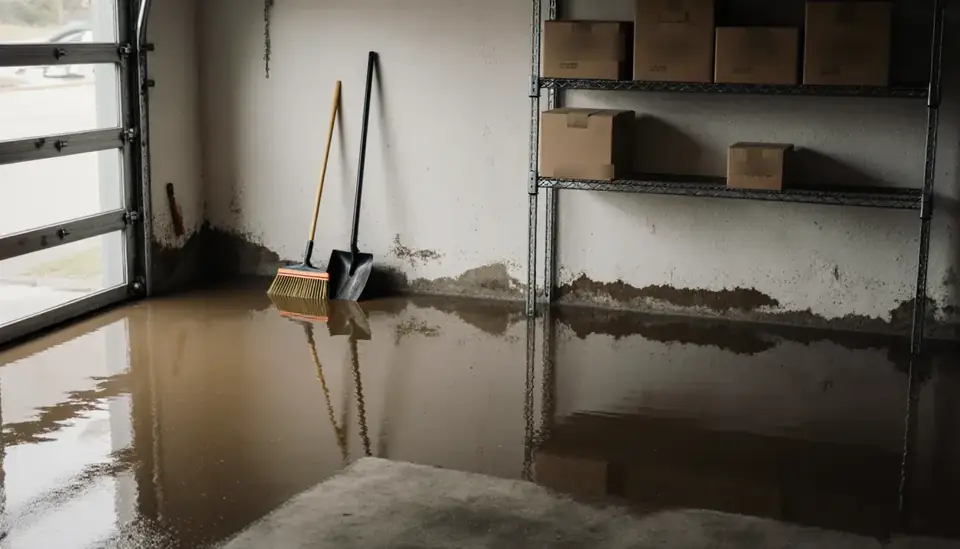
Creek water leaves silt and bacteria in drywall and carpet pad, so professional flood cleanup usually means removing porous materials up to a safe height above the waterline, cleaning and disinfecting, then drying the framing before anything is rebuilt.

Freezes, Heat and Mold in South Texas Homes
The February 2021 winter storm showed that a warm-climate city can still face a plumbing crisis. Water service failed across much of the area, residents were seen filling trash cans from the River Walk, and firefighters near San Antonio had to haul water because hydrants were unusable. Pipes in attics, exterior walls and garages split, and many leaks only appeared after thawing.
Long, hot, humid summers then make wet materials a mold concern within a few days. Hidden spots such as wall cavities behind showers, cabinet bases and the underside of laminate flooring are where growth usually starts. If drying stalls or a musty smell lingers, mold remediation focuses on fixing the moisture source first, then removing affected materials under containment.
Neighborhoods and Nearby Communities
Calls come in from across San Antonio, including:
- Downtown
- King William
- Stone Oak
- Medical Center
- Prospect Hill
- Las Palmas
- Loma Park
- Deerfield
- Inwood
The same line also serves nearby communities such as:
- Alamo Heights
- Leon Valley
- Windcrest
- Converse
- Live Oak
- Universal City
- Schertz
Common Questions
Does homeowners insurance pay for flood damage in San Antonio?
Standard homeowners policies do not cover flooding from rising water or overland runoff. That needs a separate flood policy, available to everyone in Bexar County through the National Flood Insurance Program and from some private carriers. A sudden internal plumbing break is a different kind of claim and is often handled under the homeowners policy, so document the source of the water carefully.
My street flooded but my house is outside the floodplain. Can it still get water inside?
Yes. The San Antonio River Authority reports that close to a quarter of flood insurance claims come from areas mapped as low risk. Heavy rain can overwhelm storm drains, pond around slab homes and push water under doors or through weep holes. Checking your address on the River Authority's floodplain viewer or the FEMA map service is a good starting point.
How can I tell if a low water crossing near me is closed?
Bexar County and the River Authority publish real-time crossing status on BexarFlood.org and SARiverFlood.org, using a green, yellow and red system. Crossings can go from dry to dangerous very quickly during a Flash Flood Alley storm, so check before leaving and turn around at any barricade or moving water, even if it looks shallow.
Should I try to save plaster walls in an older home near downtown?
Often it is possible. Plaster on wood lath tolerates clean water better than drywall, and a provider can use moisture meters, air movers and dehumidifiers to dry it in place. Floodwater from a creek is a different case, since contamination may require removal. Ask for readings before and after drying so you can see whether the walls really reached normal moisture.