
Converse takes its name from Major Converse, the Southern Pacific Railroad's chief engineer, who bought the land under the townsite in 1877. A post office followed a year later, and by 1896 the settlement had a saloon, two cotton gins and a grocery. The small railroad stop about 15 miles northeast of downtown San Antonio has since become a city of 27,466 people, up nearly 51 percent from 2010.
Much of that growth arrived as new residential streets laid out around drainage channels and the old rail line, and the layout shapes how water damage tends to happen here. The Restoration Job is a free phone referral service rather than a restoration company. Call (888) 317-9980 and we'll connect you with an independent provider that serves Converse.
How the call works: when you call (888) 317-9980, The Restoration Job connects you with an independent restoration provider that serves Converse. That provider inspects the damage, explains the scope and quotes the work. The Restoration Job doesn't perform restoration itself. Read our referral disclosure.
Five Crossings the City Watches When It Rains
The city's Stormwater Operations team lists five low water crossings that are prone to flooding:
- Gibbs Sprawl Road at the railroad tracks
- Old Cimarron Trail and Gibbs Sprawl, under the railroad
- Kneupper Avenue between FM 78 and Loop 1604
- FM 1976, from Janice to Crestway
- Center Street
These spots tell you where water concentrates during a downpour. Homes and businesses near them, or near the channels that feed them, should keep an eye on drainage after storms. The city's message is simple: turn around, don't drown. Even a few inches of moving water can push a car off the road.
Why Bexar County Downpours Hit Fast
Converse sits in a part of Texas known for sudden, intense rain. The October 1998 storm dropped more than 13 inches at San Antonio's airport over two days, and the 2002 flood added nearly 17 more at the same gauge. Rain at those rates runs off roofs, streets and parking lots faster than storm drains can carry it.
For a typical house, the result is water pooling against the slab, seeping under doors and entering through weep holes in brick veneer. Garages built at driveway level often take water first. Clearing gutters, keeping yard drains open and making sure soil slopes away from the foundation are inexpensive ways to reduce the chances of a flood cleanup job.
StormReady, But Your House Still Needs a Plan
The National Weather Service recognized Converse as a StormReady Community in December 2022, reflecting the city's planning for severe weather. The city's emergency management page offers a fillable family emergency plan and a printable supply checklist. Those are worth completing before the next storm season.
At home, a plan for water damage includes knowing where your main water shutoff valve is, where the electrical panel is, and where important documents are kept. It also means understanding your insurance. Standard homeowners policies exclude flooding from rising water, and the San Antonio River Authority notes that nearly a quarter of flood claims come from areas considered low risk. Every community in Bexar County participates in the National Flood Insurance Program.
When Water Gets Inside: Converse Cleanup Basics
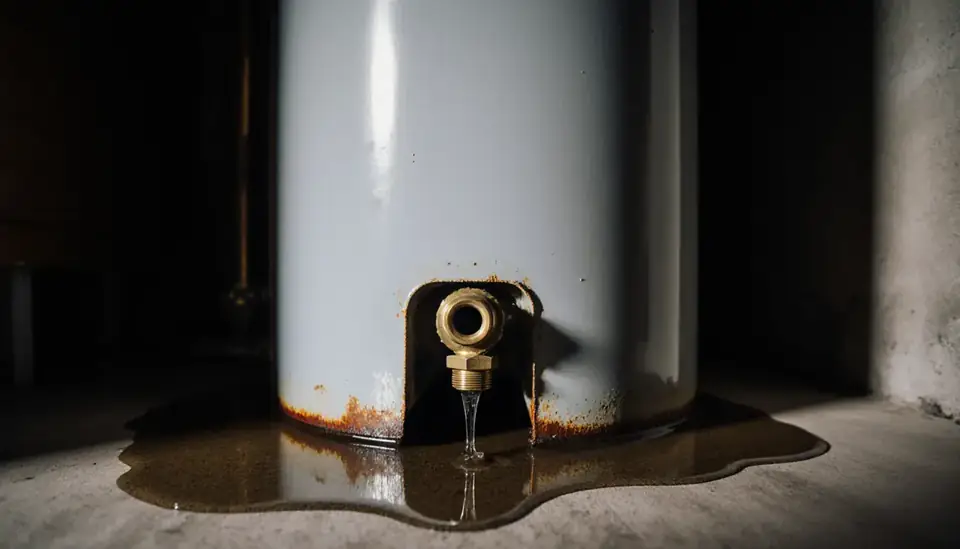
Most indoor water damage here comes from plumbing and appliances rather than floods: a failed toilet supply line, a leaking dishwasher, a water heater in the garage or an attic AC drain that backs up. Shut off the water, turn off power to affected rooms if it is safe, and move belongings to a dry area. Take photos before cleanup starts.
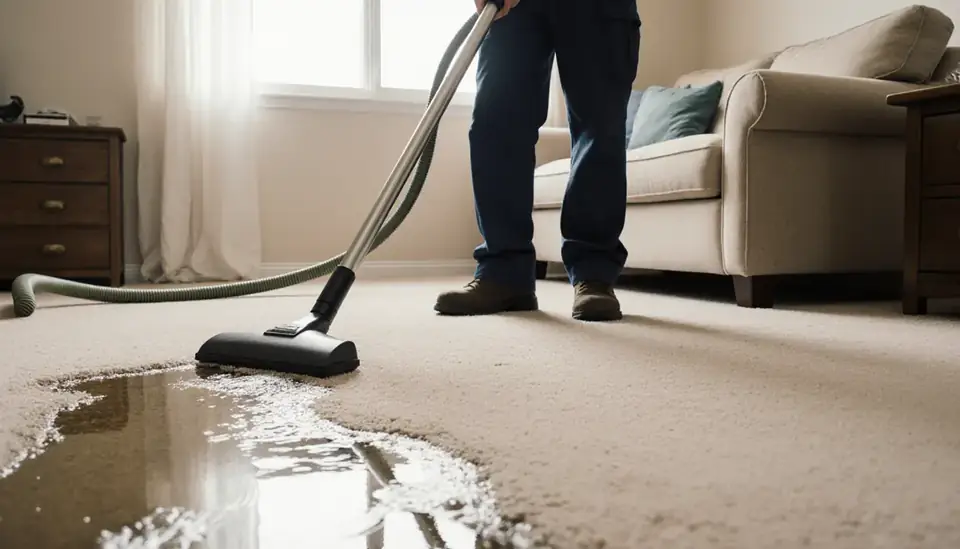
A restoration provider will generally remove standing water, pull wet carpet pad, check walls and floors with moisture meters, and run air movers and dehumidifiers until readings return to normal. If water came from a toilet overflow or sewer backup, it is treated as contaminated, and sewage cleanup procedures apply, including removing porous materials it touched.

Damp Walls and Mold Behind Converse Baseboards
Converse's warm, humid climate means damp drywall and insulation can develop mold within a few days. The usual hiding places are behind baseboards, inside lower cabinets and under flooring that sat over a wet slab. Running the air conditioning and dehumidifiers during drying helps, but they cannot reach water trapped in wall cavities.
If a musty odor lingers after the visible water is gone, have the area checked before repainting or replacing floors. Mold removal is far simpler when it is caught early and the moisture source is fixed.
Converse Neighborhoods and Surrounding Towns
The same line also serves nearby communities such as:
- Live Oak
- Universal City
- Schertz
- San Antonio
- Windcrest
- Kirby
Questions From Converse Property Owners
Who do I call about a drainage problem on a Converse street?
The City of Converse Stormwater Operations team handles drainage, erosion and illicit discharge concerns. During business hours the city lists (210) 659-9513, extension 505; after hours, reports go through Converse Police Dispatch at (210) 658-2322. For water already inside your home, call (888) 317-9980 to be connected with a restoration provider.
Is my Converse home in a flood zone?
Check your address on the FEMA Flood Map Service Center or the San Antonio River Authority's floodplain viewer. Even if your lot is outside a mapped zone, heavy rain can still pond around houses near channels and low water crossings. Since homeowners policies exclude rising-water floods, separate flood insurance is the only way to cover that risk.
What should I do if a low water crossing near my home floods?
Stay away from it on foot and in a vehicle, and use another route. Real-time crossing status for Bexar County is posted on BexarFlood.org and SARiverFlood.org. If water from the street is entering your property, move valuables up, unplug electronics in affected rooms and document the water level with photos for insurance.