
Universal City calls itself the Gateway to Randolph, and the air base next door has shaped it from the start. The first land was platted on January 30, 1931, shortly after Randolph Field opened, and the community incorporated as a home-rule city on April 20, 1960. It covers less than six square miles of northeastern Bexar County, with a sliver in Guadalupe County, and about 19,700 people call it home.
Because the city is compact and fully built out, water problems here are mostly about older plumbing, roof leaks and the occasional storm that overwhelms local drainage, with Cibolo Creek passing through the area. For help, call (888) 317-9980 at any hour. The Restoration Job is a free connection service, so the call puts you in touch with an independent restoration provider covering Universal City rather than with a crew of its own.
How the call works: when you call (888) 317-9980, The Restoration Job connects you with an independent restoration provider that serves Universal City. That provider inspects the damage, explains the scope and quotes the work. The Restoration Job doesn't perform restoration itself. Read our referral disclosure.
Cibolo Creek Between Selma and Randolph
Cibolo Creek flows past Selma and Universal City on its way southeast, forming the boundary between Bexar and Guadalupe counties as it crosses the base. Its watershed reaches back into the hills near Boerne, and the limestone along its course trades water with the underground aquifer system, so flows can change quickly after heavy rain upstream.
During the October 1998 Central Texas floods, the gauge on Cibolo Creek at Selma, just north of the city, reached 35.40 feet, the highest stage recorded there at the time. Most Universal City homes are not along the creek, but properties near it or near the drainage channels that empty into it should check the FEMA Flood Map Service Center and consider flood coverage.
Leases, PCS Orders and Who Fixes the Leak
Military families moving to and from Randolph often rent rather than buy, which makes it worth knowing who is responsible when water gets in. In general, the property owner arranges repairs to the structure, plumbing and built-in appliances, while a renter's own policy, if they have one, covers personal belongings. Tenants should notify the landlord or property manager in writing, with photos, as soon as a leak is found.
Owners who rent out a house and live elsewhere may not notice a slow leak until a tenant reports it or the home sits empty between leases. A quick inspection under sinks, around the water heater and in the attic at each turnover can catch problems early.

Plumbing Failures on Older and Newer Streets
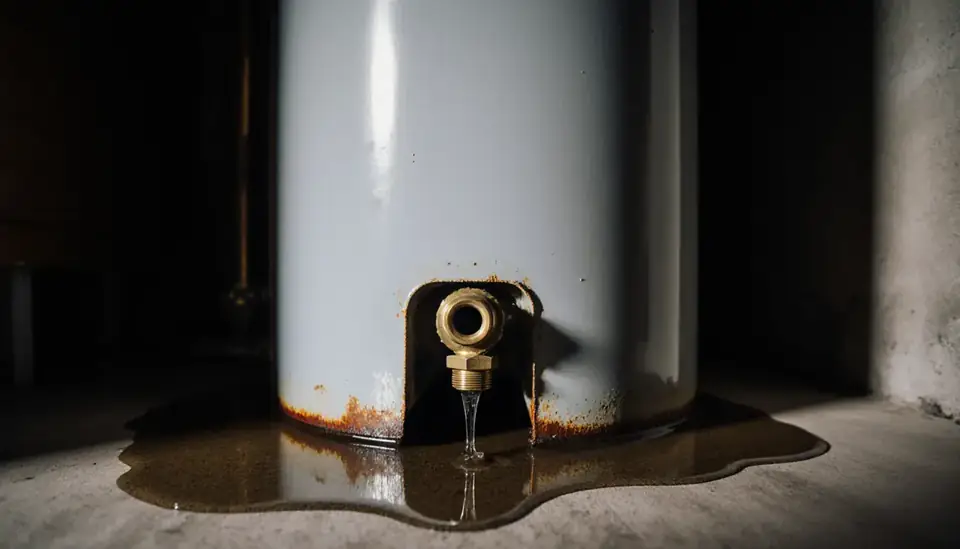
Universal City's housing ranges from older streets laid out decades ago to more recent construction. In older homes, aging supply and drain lines, worn shutoff valves and long-repaired roofs are frequent sources of water. In newer ones, it is more often a failed appliance hose, an ice-maker line or an attic AC condensate drain that clogs and spills through the ceiling.
- Close the main valve at the first sign of a plumbing failure.
- Turn off breakers for rooms where water is near outlets or fixtures.
- Pull up rugs and move furniture onto blocks or out of the room.
- Photograph everything before it is moved or discarded.
For anything beyond a small spill, professional water damage restoration includes moisture mapping, extraction and controlled drying so hidden water doesn't remain in walls and subfloors.
Roof Damage After a Hard Spring Storm
South-central Texas storms can bring wind-driven rain, hail and intense downpours within a short window. Damaged shingles, lifted flashing and clogged gutters let water reach the attic, where it soaks insulation and stains ceilings below. Sometimes the first sign is a sagging spot in the drywall.
After a storm, look for granules in gutters, missing shingles and wet spots in the attic. Temporary tarping limits further damage, and storm damage cleanup can remove wet insulation and dry the framing before permanent roof repairs. Keep notes on the storm date for your insurer.
Humidity and Mold in a Built-Out City
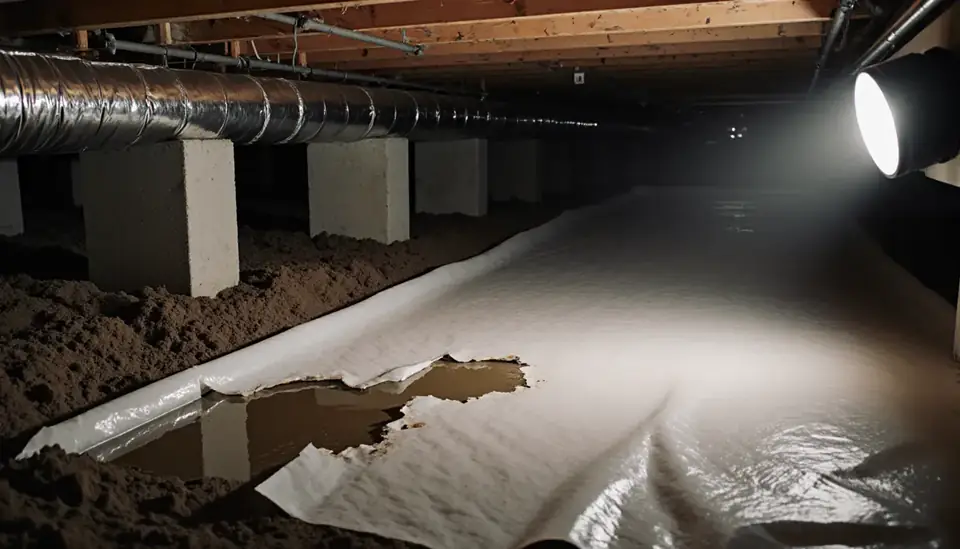
Long, humid summers in the San Antonio area mean water left in walls or under flooring for more than a couple of days can lead to mold. Closed-up houses, such as rentals between tenants, are especially prone because air isn't moving and nobody notices the smell.
If you find discoloration or a musty odor after a leak, confirm the area is dry, then have affected drywall, insulation or flooring removed and replaced. Treating only the surface rarely solves the problem.
Universal City Neighborhoods and Surrounding Towns
The same line also serves nearby communities such as:
Questions From Universal City Property Owners
I rent in Universal City. Who pays for water damage repairs?
Usually the property owner is responsible for repairing the building, plumbing and fixtures, while your belongings are covered only if you carry renters insurance. Report the leak to your landlord or property manager in writing right away, with photos, and keep copies. Prompt notice helps avoid disputes about whether a delay made the damage worse.
Is flooding from Cibolo Creek covered by my homeowners policy?
No. Damage from rising water, including creek overflow and street runoff entering the house, falls under flood insurance, which is separate from homeowners coverage. Every community in Bexar County participates in the National Flood Insurance Program, so policies are available whether or not your home is in a mapped flood zone.
How do I know whether a ceiling stain is from the roof or the AC?
Stains that appear after rain and sit near roof valleys, vents or chimneys usually point to the roof. Stains that grow during hot, dry spells, especially near the attic air handler, often come from a clogged condensate line or a rusted drain pan. A restoration provider or roofer can confirm with moisture readings and an attic inspection.