
Seguin was laid out in 1838 beside a spring-fed stream once called Walnut Springs, and the Guadalupe River still wraps along the south side of town. About 35 miles east of San Antonio on Interstate 10, the county seat of Guadalupe County mixes pecan-shaded older streets, a downtown on the National Register, and newer houses spreading toward the lakes upriver.
River crests, slow-draining storms and household plumbing failures are the usual sources of trouble here. The Restoration Job sends no crews to Seguin properties. It is a free call-connection service: phone (888) 317-9980 at any hour and we'll put you in touch with an independent restoration provider that covers Seguin and nearby communities.
How the call works: when you call (888) 317-9980, The Restoration Job connects you with an independent restoration provider that serves Seguin. That provider inspects the damage, explains the scope and quotes the work. The Restoration Job doesn't perform restoration itself. Read our referral disclosure.
The Guadalupe at Seguin: 1935, 1998 and Beyond
For more than sixty years, the 1935 flood held the record on the Guadalupe at Seguin, at 35.5 feet. The October 1998 storms broke it, pushing the river to 36.80 feet after some parts of the region took more than 20 inches of rain. In the late June and early July 2002 event, gauges around Seguin recorded anywhere from about 13 to more than 22 inches.
When the river is high, Walnut Branch and the smaller drainages that feed it back up as well, so flooding is not limited to homes with a river view. Streets near those channels can go under quickly. Floodwater from either source is treated as contaminated, and flood cleanup generally means removing soaked carpet, pad, insulation and the lower part of drywall before drying.
Lake McQueeney, Lake Placid and the Hydro Lakes
Upriver and around the city, the Guadalupe is held in a series of small hydroelectric lakes run by the Guadalupe-Blanco River Authority. Lake McQueeney, about five miles west of town, dates to 1928, and its residential Treasure Island flooded in 1972, 1998 and 2002. Nearby Lake Dunlap lost a spillgate in May 2019 and was nearly empty within a day until a new dam was finished in 2023.
Lakefront owners can use the authority's flood tracking charts for Dunlap, McQueeney, Placid and Meadow to see how high past floods reached. The authority also points out that flooding can occur outside mapped floodplains, which is a good reason to check your address on the FEMA flood map and ask your agent about flood coverage even if a lender never required it.

Limecrete Landmarks and Older Downtown Buildings
Seguin earned the nickname Mother of Concrete Cities in the 1800s, when nearly 100 buildings went up using an early lime-based concrete. About 20 survive, including the 1856 Sebastopol House. The downtown commercial district, listed on the National Register in 1983, holds early twentieth century buildings as well.
Older masonry and concrete walls handle water differently from modern framing. They can wick moisture upward, hold it for a long time, and lose plaster or finishes if dried too aggressively. For a historic building, ask any restoration provider how they plan to dry the structure gradually, what moisture targets they will use, and whether any work needs sign-off from local historic preservation officials before materials are removed.
First Hours After a Leak or Flood in Seguin
- Never drive through water over a road; most drownings in the 1998 floods happened in vehicles.
- Shut off the water main for plumbing leaks, and the power to wet rooms if it is safe to reach the panel.
- Photograph damage room by room before moving furniture or pulling carpet.
- Call your insurer early and note whether the water came from the river, rain through the roof, or a pipe.
- Keep wet items you plan to claim until the adjuster has seen them or approved disposal.
A burst supply line or failed water heater is usually clean water, and if it is extracted promptly, many materials can be dried in place through structural drying instead of being torn out.

Pecan Shade, Humid Summers and Moisture That Lingers
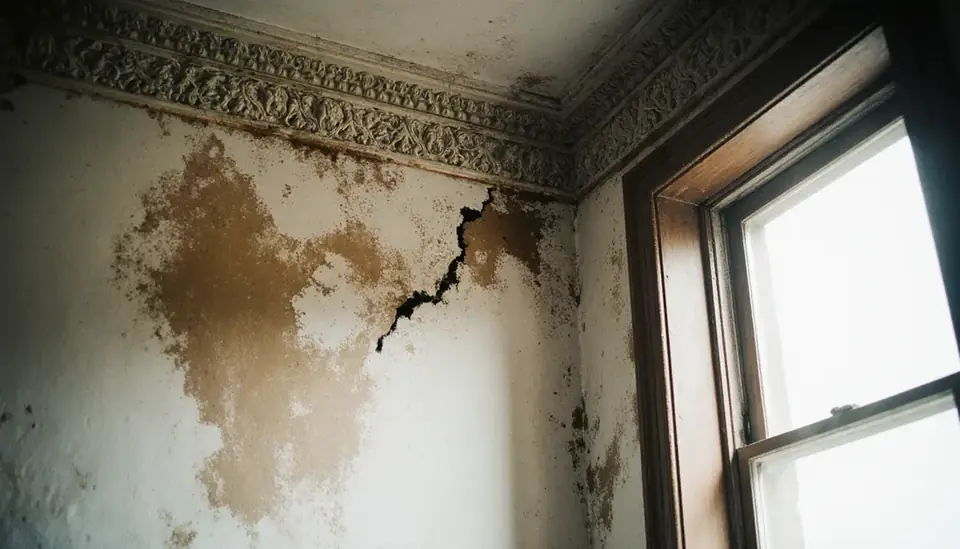
Summers here are very hot and humid, and heavily shaded lots dry out slowly after rain. Crawl spaces, closets on exterior walls and rooms behind a recent leak are the usual places mold shows up. A musty smell, staining at the base of walls, or peeling paint are early signs.
Address the moisture first. Once the area is dry and the source is fixed, small patches on hard surfaces can be cleaned. Larger growth, or anything inside walls and HVAC ducts, warrants professional mold remediation with containment and air filtration.
Where Callers in the Seguin Area Are
The same line also serves nearby communities such as:
- New Braunfels
- McQueeney
- Geronimo
- Marion
- Cibolo
- Schertz
Seguin Water Damage Questions
My Seguin house is not in a mapped flood zone. Do I need flood insurance?
It is worth considering. The Guadalupe has broken its own record at Seguin within living memory, and the river authority notes that floods can reach areas outside mapped floodplains. A typical homeowners policy leaves out water rising from the river. Flood policies through the National Flood Insurance Program usually have a waiting period before they take effect, so buying one after a forecast is often too late.
I live on Lake McQueeney. What should I watch during heavy rain?
Follow National Weather Service river forecasts and the Guadalupe-Blanco River Authority's lake flood tracking charts, which show how past events compared. Move vehicles, valuables and electronics up early, and know your exit route before roads flood. If water reaches the house, document it and call (888) 317-9980 to reach an independent provider that serves the Seguin area.
Can an old limecrete or stone building be dried without damaging it?
Usually, with patience. Masonry holds a lot of water and releases it slowly, and drying too fast can crack plaster or finishes. A provider experienced with older buildings will measure moisture in the walls, dry gradually with dehumidification, and avoid removing original materials unless they are contaminated or failing. Owners of designated buildings should check whether repairs need local approval.