
Avondale started as Coldwater, a stagecoach stop William "Billy" Moore set up near the Agua Fria River in 1880, and rivers have shaped the place ever since. The Agua Fria comes in from the north and joins the Gila River inside city limits, at an elevation of about 974 feet, lower than downtown Phoenix fifteen miles to the east. Low ground and converging river corridors give Avondale a different flood profile than the foothill suburbs to the north.
Help is a phone call away: The Restoration Job's free line at (888) 317-9980 takes calls around the clock and connects callers with independent restoration providers that serve Avondale, Cashion and neighboring West Valley cities. We are a referral service, not a contractor, so the provider you are matched with performs and bills for the work.
How the call works: when you call (888) 317-9980, The Restoration Job connects you with an independent restoration provider that serves Avondale. That provider inspects the damage, explains the scope and quotes the work. The Restoration Job doesn't perform restoration itself. Read our referral disclosure.
Where the Agua Fria Meets the Gila
Both rivers are intermittent. Most days their beds are sand and brush, but during wet periods the Agua Fria discharges into the Gila, and the Gila then runs past the south side of the city. In January 1993, record flows moved through the region's rivers, and downstream the Gillespie Dam between Buckeye and Gila Bend partly collapsed. Winter storms like that one are a reminder that the flood season here is not limited to the summer monsoon.
For homeowners the practical question is how close a property sits to these corridors and to the washes and drainage channels that feed them. The Maricopa County floodplain viewer and FEMA's Flood Map Service Center both show mapped hazard areas, and the county will provide zone information on request at no cost. A home outside a shaded zone can still flood from street runoff or a neighbor's lot, so mapping is a starting point, not a verdict.
From Cotton and Alfalfa Fields to Subdivisions
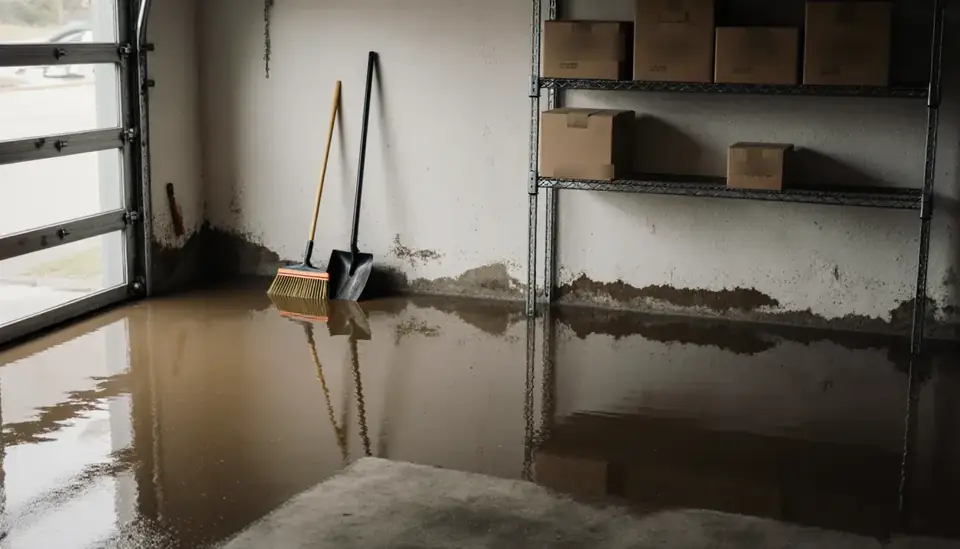
When Avondale incorporated in 1946 it was a sparsely populated farming community surrounded by alfalfa and cotton. Much of that flat, leveled farmland later became neighborhoods, and the Cashion area, annexed into the city and no longer a separate census place after 1990, sits in the Salt River Valley near where the Salt and Gila rivers meet. Flat ground is easy to build on but slow to shed water. During a heavy storm, runoff can pool against foundations, back up at garage thresholds and creep under stucco weep screeds rather than draining quickly away.
Simple checks help: keep yard drains and the gaps under block walls clear, make sure soil and gravel slope away from the house, and know where water collects on your street when it rains hard.

What Flood Cleanup Involves When Muddy Water Gets In
Water that crosses a yard or street carries soil, fertilizer, oil and sometimes sewage, so it is handled differently from a burst supply line. Flood cleanup in Avondale generally means removing more material and cleaning everything the water touched.
- Standing water and silt are removed first, often with truck-mounted or portable water extraction equipment
- Carpet and pad that sat in floodwater are usually discarded
- Drywall and insulation are cut out above the high-water line
- Remaining surfaces are cleaned and disinfected, then dried with dehumidifiers and air movers
Stay out of standing water if outlets or appliances are submerged, and wear gloves and boots when moving anything the water touched. Photograph the water line on walls before it is cut away.
Everyday Leaks in Slab Homes
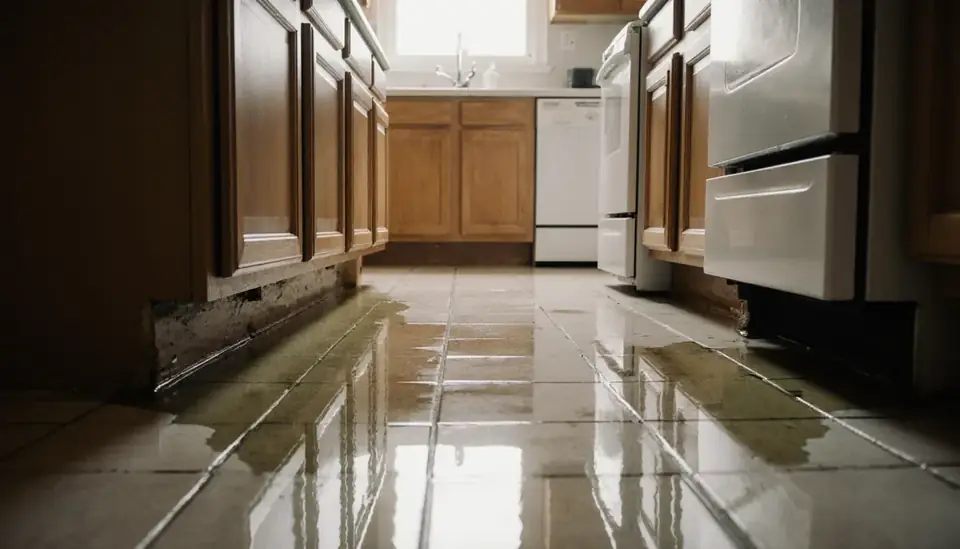
Most water damage calls in Avondale have nothing to do with rivers. Water heaters fail in garages and closets, toilet supply lines crack, dishwashers leak under cabinets, and pinhole leaks in pipes under a slab can wet flooring for weeks before anyone notices a warm spot or a rising water bill. Because the floor is concrete, the water has nowhere to go but sideways and up into walls.
Mold follows when wet materials are left in place. Summer storms push indoor humidity up, and a wall cavity or cabinet base that stays damp for more than a few days can start to grow. A provider can measure moisture inside walls and recommend removal where drying alone will not work.
Planning Ahead for the Next Storm
Homeowners policies usually exclude surface flooding, and Maricopa County notes a 30-day wait before a new flood policy takes effect, so coverage has to be in place before storm season. The county also recommends sandbags filled one-half to two-thirds full and stacked in a brick pattern at door openings. Next door, Goodyear sits along the same stretch of the Gila and faces many of the same questions.
Neighborhoods and Nearby Communities
Calls come in from across Avondale, including:
- Cashion
The same line also serves nearby communities such as:
Frequently Asked Questions
Is Avondale really at risk of river flooding?
The Agua Fria and Gila are dry most of the time, but both carry water during wet periods, and they meet inside the city. Major winter flooding in January 1993 showed how much water these rivers can move. Risk depends heavily on where a property sits, so check the county floodplain viewer or FEMA maps for your address rather than assuming either way.
How is floodwater cleanup different from a pipe leak?
Water from a supply line starts clean, and wet materials can often be dried in place if work begins quickly. Water that flows in from outside carries soil and contaminants, so porous items like carpet pad, drywall and insulation that it soaked are usually removed, and the remaining surfaces are cleaned and disinfected before drying. That generally makes flood jobs larger and slower.
Will my homeowners policy pay for a monsoon flood?
Standard homeowners policies generally exclude surface water flooding. Rain that comes in through storm damage to the roof is often treated differently from water that flows across the ground into the house. Flood insurance is a separate policy with a waiting period, typically 30 days. Document the entry point and talk to your insurer before demolition when you can.
How do I get connected with a provider in Avondale?
Call (888) 317-9980 at any hour. We connect you with an independent restoration provider serving Avondale. Many providers offer emergency service, although schedules depend on the company and on how many calls a storm has generated. The provider explains the work, gives you its own pricing and contracts with you directly.