
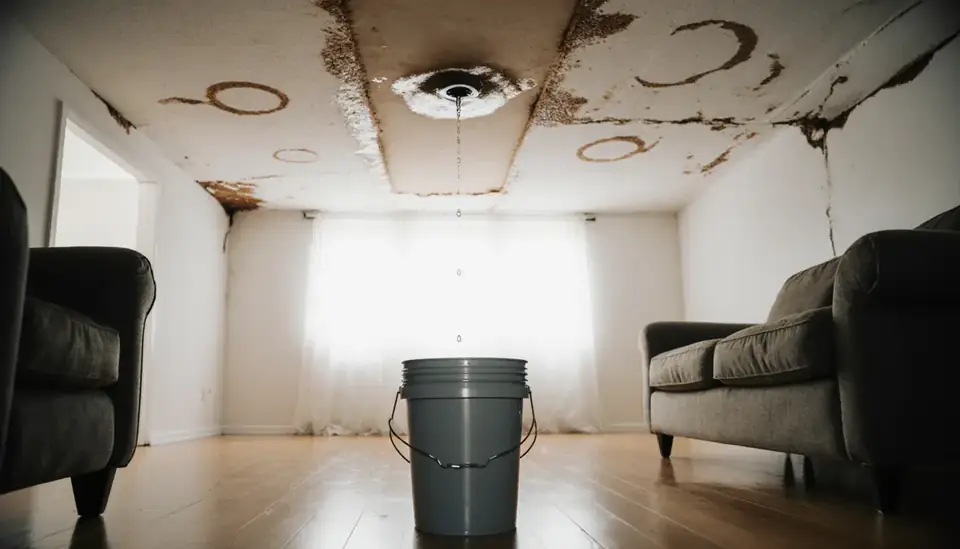
Sky Harbor averages only about 7.22 inches of rain a year, yet one storm can deliver a big share of that in an afternoon. On September 8, 2014, the remnants of Hurricane Norbert dropped 3.30 inches on Phoenix, the highest single-day total the National Weather Service has recorded there, breaking a mark that had stood since 1939. Interstates and low-lying roads flooded and hundreds of drivers were stranded. Houses designed around heat and dust are not always ready for that much water arriving at once.
The Restoration Job runs a free referral line, answered 24/7 at (888) 317-9980. We connect callers with independent, third-party restoration providers that work across the city, from Maryvale and Laveen to Deer Valley and Ahwatukee Foothills. We do not perform the work; the provider you are connected with handles the inspection, the estimate and the job itself.
How the call works: when you call (888) 317-9980, The Restoration Job connects you with an independent restoration provider that serves Phoenix. That provider inspects the damage, explains the scope and quotes the work. The Restoration Job doesn't perform restoration itself. Read our referral disclosure.
Record Rain at Sky Harbor and the Muggy Side of the Monsoon
The monsoon officially runs from June 15 through September 30. For most of the year the air here is very dry, with average dew points near 31°F in April, but during an active monsoon they can push past 70°F. That swing matters after a leak. Drywall, carpet pad and cabinet bases that would give up their moisture quickly in spring hold it far longer when the outdoor air is humid and the house is shut tight against triple-digit heat.
Storm behavior adds to the problem. The NWS Phoenix office notes that thunderstorm winds in the Southwest typically exceed 40 mph, that the strongest downbursts can top 100 mph, and that flooding can strike miles from where the rain fell when cells build over mountains. The city is ringed by them, from South Mountain and the Sierra Estrella to the McDowell and White Tank ranges, and inside its limits Camelback Mountain, North Mountain and Piestewa Peak shed runoff into the streets below.
The Salt River, Old Canal Routes and Where Storm Water Goes
The Salt River runs west through the city, though upstream diversions leave its bed dry most of the time. The Arizona Canal and the Central Arizona Project canal follow paths first laid out by Hohokam farmers, who dug roughly 135 miles of irrigation channels in the valley. None of that system is built to catch a cloudburst over a subdivision. Neighborhood drainage depends on streets, retention basins and washes, and when an inch or more lands in under an hour the water takes the lowest route it can find, sometimes a garage slab or a sliding-door threshold.
The Flood Control District of Maricopa County, formed in 1959, maintains hundreds of automated rain gauges and posts real-time totals, so you can see how much fell near your street. Its floodplain viewer shows whether a parcel sits in a mapped zone. The District also points out that about one in four flood insurance claims comes from outside a mapped floodplain, so a lot outside the shaded areas is not immune to runoff.
What a Restoration Provider Does After a Storm or Pipe Failure
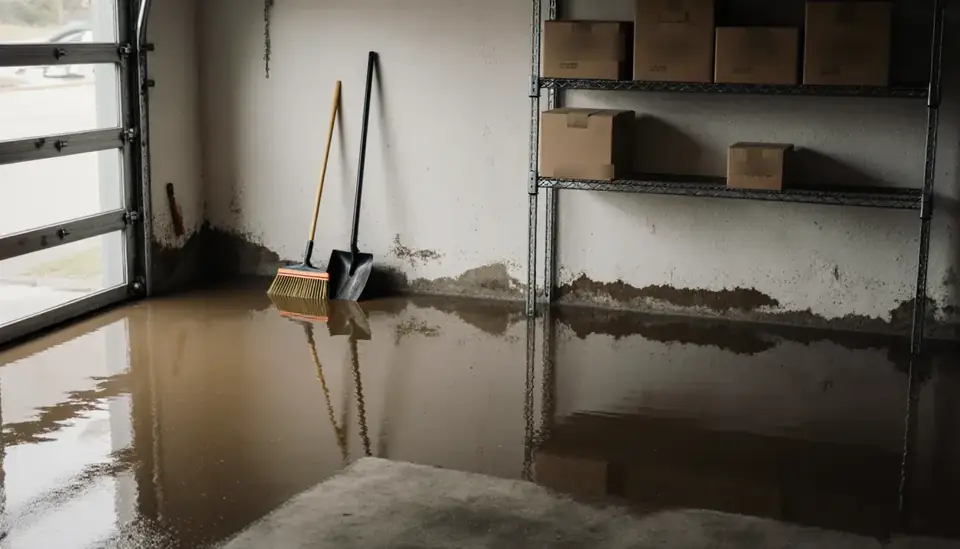
Most water damage restoration in Phoenix starts the same way whatever the source: stop the water, measure how far it traveled, and decide what can be dried in place. A crew will usually extract standing water, pull baseboards, cut drywall above the wet line where readings stay high, and set dehumidifiers and air movers. Much of the housing here sits on concrete slabs, so water spreads under flooring and wicks up walls instead of draining away to a basement or crawl space.
- Shut off the main valve for a supply leak, or the breaker if water is near outlets or appliances
- Photograph each room, the source and any ceiling stains before cleanup starts
- Note whether storm water came through the roof or flowed in across the ground, since insurers treat those differently
- Set furniture legs on blocks or foil and pull rugs off wet floors
Muddy runoff from a street or yard is a different job than a clean supply-line leak. It calls for flood cleanup that includes removing soaked porous materials and disinfecting what stays.
Hidden Mold in a Desert Metro
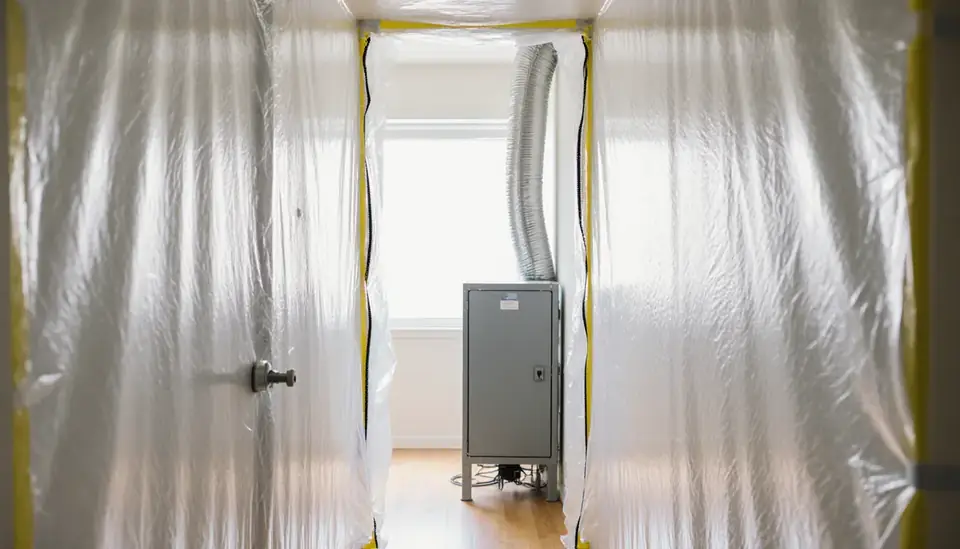
Dry outdoor air does not stop mold indoors. A slow drip under a kitchen sink, a corroded water heater pan in a hall closet, or a roof leak that soaked attic insulation can create a damp pocket that stays wet for weeks, and monsoon humidity helps growth along. Musty odors, soft baseboards and paint bubbling near the floor are common warning signs. Small spots on hard surfaces can often be wiped clean, but larger growth or anything inside a wall cavity is better handled through mold remediation with containment, so spores are not pulled through the air conditioning. Drying materials within the first day or two remains the surest way to avoid a mold removal job in Phoenix altogether.
Sandbags, City Alerts and Flood Coverage
The City of Phoenix Office of Emergency Management posts monsoon guidance and, ahead of forecast storms, has made free sand for sandbags available at nine city parks on a first-come basis. Maricopa County recommends filling bags one-half to two-thirds full and stacking them in a brick pattern across door openings and garage entries.
Flood insurance is a separate decision from your homeowners policy, which generally excludes surface flooding. The county notes a 30-day waiting period before a new flood policy takes effect, so buying coverage when a storm shows up in the forecast is too late. If water reached your home from outside, document the entry point and call your insurer before major demolition. For conditions elsewhere in the state, see our Arizona service area page.
Areas In and Around Phoenix
Calls come in from across Phoenix, including:
- Ahwatukee Foothills
- Alhambra
- Camelback East
- Deer Valley
- Encanto
- Estrella
- Laveen
- Maryvale
- North Mountain
- South Mountain
The same line also serves nearby communities such as:
Common Questions
Does Phoenix flood outside monsoon season?
Less often, but yes. Winter storms bring longer, steadier rain that saturates yards and finds tired roof seams, and the 2014 one-day record came from a tropical remnant in early September. Still, most water damage calls in the city have nothing to do with weather. Broken supply lines, water heater failures and slab leaks happen in every month and can be just as costly when water sits for days.
My house isn't in a mapped flood zone. Can runoff still reach it?
Yes. The Flood Control District of Maricopa County reports that roughly one in four flood insurance claims comes from outside a mapped floodplain. Runoff from a higher lot, a clogged street drain or a nearby wash can reach homes far from any shaded area on the map. Look your parcel up on the county floodplain viewer and talk with your agent about coverage before the monsoon starts.
Will the dry heat dry my walls out on its own?
Surfaces can look dry within a day, but drywall cores, carpet pad, insulation and the particleboard under cabinets hold water much longer, and indoor humidity climbs during the monsoon. A restoration provider uses moisture meters to confirm materials are actually dry before walls are closed up. Skipping that check is how a modest leak turns into hidden mold a few weeks later.
How do I reach help after hours in Phoenix?
Call (888) 317-9980 at any hour. The line connects you with an independent restoration provider that serves your part of the city. Many providers offer emergency service, though availability varies, especially in a storm week when calls stack up. The provider gives you its own estimate and works with you directly; The Restoration Job only makes the connection.