
Casas Adobes takes its name from the houses that defined it. Beginning in the mid-1950s, builder Sam Nanini laid out subdivisions of large ranch-style homes made with adobe brick, and much of the community still carries that mid-century character. Today about 71,000 people live across nearly 27 square miles between Oro Valley to the north and Catalina Foothills to the east, in an area historically bounded by the Cañada del Oro on one side and the Rillito River on the other. It remains unincorporated; residents voted down incorporation in 1997 and again in 2001.
Nobody from The Restoration Job comes to your house; we are a free phone referral. When you call (888) 317-9980, day or night, we connect you with an independent restoration provider that works in Casas Adobes and northwest Tucson. The provider, not us, inspects the damage, quotes the work and schedules it.
How the call works: when you call (888) 317-9980, The Restoration Job connects you with an independent restoration provider that serves Casas Adobes. That provider inspects the damage, explains the scope and quotes the work. The Restoration Job doesn't perform restoration itself. Read our referral disclosure.
Unincorporated Means Pima County Handles Drainage and Floodplains
Because Casas Adobes is not a city, floodplain management and many drainage questions fall to Pima County rather than a town hall. The Pima County Regional Flood Control District handles floodplain permits, processes drainage complaints and provides floodplain information and maps by property. If runoff from a neighboring lot or a blocked culvert keeps sending water toward your house, the district's drainage complaint process is the place to start.
Being unincorporated has a financial upside too. Since April 1, 2024, Pima County has held Class 2 status in FEMA's Community Rating System, which can mean up to a 40 percent discount on flood insurance premiums for many property owners in unincorporated parts of the county. Renters can buy contents-only flood coverage as well. Standard homeowners policies typically exclude surface flooding, so this discount can make separate coverage more affordable than people expect.
Caring for Mid-Century Adobe-Brick Ranch Houses
Adobe brick behaves differently from wood framing and drywall. It holds a lot of moisture, releases it slowly, and does not always show damage right away. In older ranch homes, the weak points are usually not the walls themselves but what has been added over the decades: remodeled bathrooms with newer plumbing tied into older lines, roof additions, and patios that slope back toward the house.
- Old galvanized or mixed-material supply lines can corrode and leak inside walls
- Flat and low-slope roof sections depend on clear scuppers during monsoon downpours
- Original cast-iron drain lines can crack, sending wastewater under floors
When masonry walls get wet, ask any provider how they plan to dry them. Dehumidification and monitoring over several days is common; tearing out sound plaster is not always necessary.
Between Two Washes: Storm Runoff and Sewer Backups
The Cañada del Oro to the north and the Rillito to the south collect water from the Santa Catalinas, and the neighborhoods between them sit on slopes that carry runoff toward those channels. During a July or August cloudburst, streets can run like small creeks for a short time. Water that reaches a house this way tends to enter at garage doors, patio sliders and low thresholds.
Heavy storms can also overwhelm older sewer laterals. If water comes up through a floor drain, tub or toilet, treat it as contaminated: keep children and pets away, avoid touching it without gloves, and arrange sewage cleanup rather than mopping it yourself. Porous materials that sewage has touched, like carpet and pad, are generally discarded.
The First 48 Hours and Late-Summer Mold
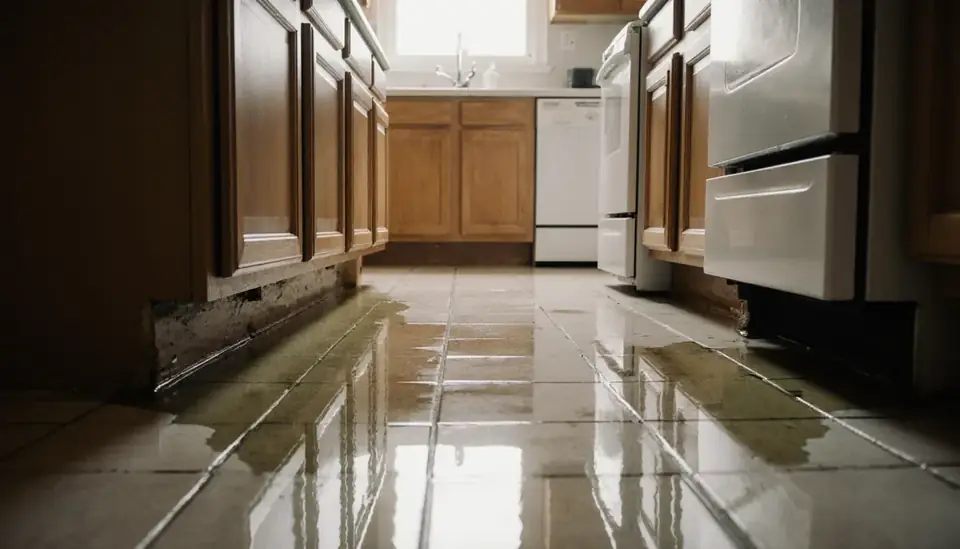
The first two days set the course for everything after. Shut off water at the main, stop the source, photograph everything and move furniture onto blocks or out of the room. A restoration provider will typically extract standing water, remove wet carpet pad and baseboards, and set drying equipment, checking moisture levels until materials are back to normal. Read more about water damage restoration and what the process involves.
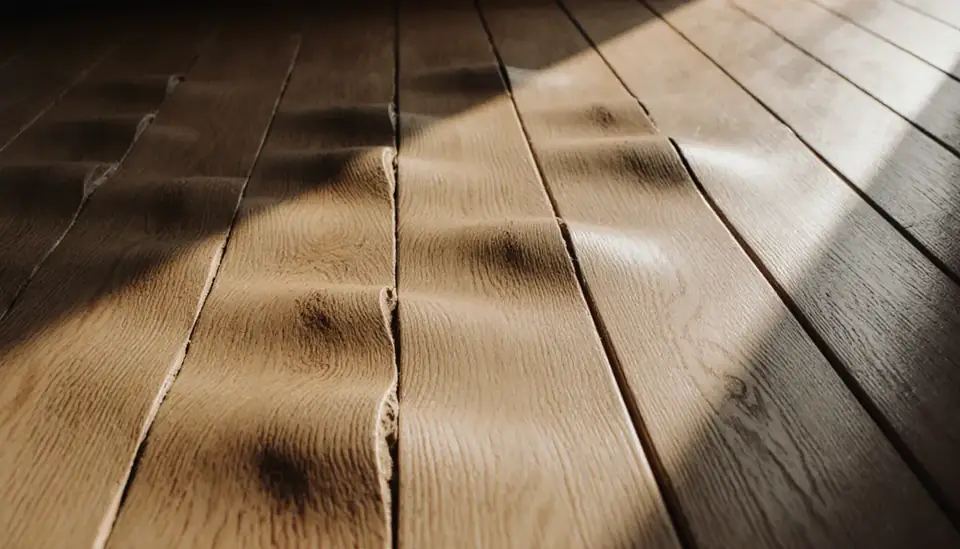
Mold risk rises in late summer, when monsoon humidity slows evaporation. Where older single-pane windows remain, condensation can collect around frames, and closets on exterior walls may stay damp after a storm. Persistent odor or spreading discoloration means the moisture source needs to be found before cleaning will last. Neighbors uphill in Oro Valley deal with the same Cañada del Oro drainage.
Areas In and Around Casas Adobes
Calls come in from across Casas Adobes, including:
- Catalina Village
- Westward Look Estates
- Casas Adobes Estates
- Samalayuca Estates
The same line also serves nearby communities such as:
Common Questions
Who do I call about a drainage problem in Casas Adobes?
Since the community is unincorporated, drainage complaints and floodplain questions go to the Pima County Regional Flood Control District rather than a city. The district looks into complaints about runoff and drainage and can provide floodplain information for your parcel. For water already inside the house, (888) 317-9980 connects you with an independent restoration provider.
Can I get a discount on flood insurance here?
Possibly. Pima County earned Class 2 status in FEMA's Community Rating System as of April 2024, which allows up to a 40 percent premium discount for many property owners in unincorporated areas like Casas Adobes. Your insurance agent can confirm what applies to your policy and whether your home is in a mapped floodplain.
Do older adobe-brick homes need special drying?
They often need more patience rather than more demolition. Masonry absorbs and releases water slowly, so drying relies on dehumidification and repeated moisture readings. Plaster and brick that are structurally sound may not need removal. Ask the provider to explain their drying plan and how they will confirm the walls are dry.