
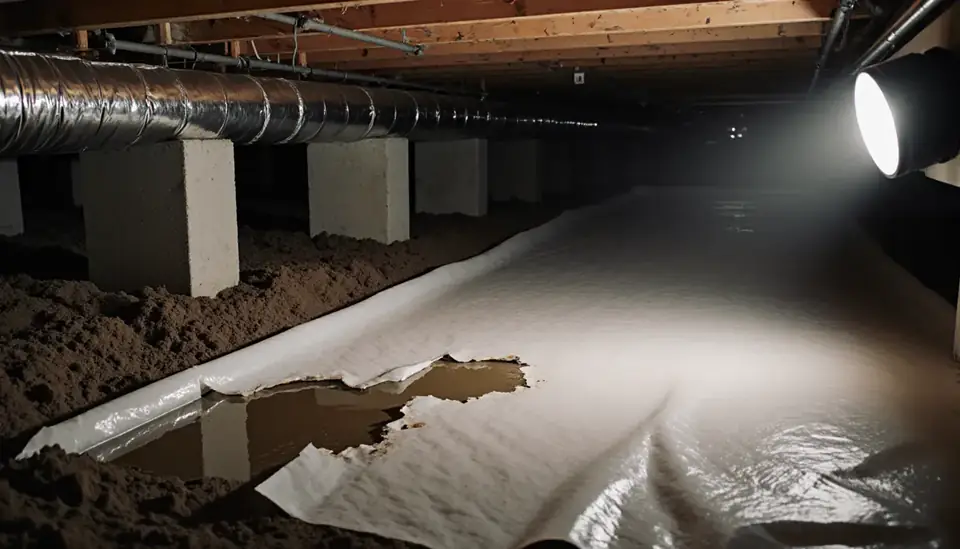
At 6,821 feet, Flagstaff deals with a mix of water problems that most of Arizona never sees. The city averages about 90 inches of snow a year, January nights average around 17 degrees, and the record low is 30 below zero, set in January 1937. Then summer arrives, and July and August become the wettest months of the year as monsoon storms build over the San Francisco Peaks. A single house here can face a frozen supply line in February and a flooded crawl space in August.
Calls to The Restoration Job at (888) 317-9980 are free, any hour, and we'll connect you with an independent restoration provider that serves Flagstaff and the surrounding Coconino County communities. The repair work itself is done by that provider, not by us. Providers often offer emergency service, though timing depends on the company and on road and weather conditions that day.
How the call works: when you call (888) 317-9980, The Restoration Job connects you with an independent restoration provider that serves Flagstaff. That provider inspects the damage, explains the scope and quotes the work. The Restoration Job doesn't perform restoration itself. Read our referral disclosure.
Rio de Flag: A Dry Channel That Wakes Up
The Rio de Flag runs about 33 miles and passes south through downtown Flagstaff, by Thorpe Park and the Frances Short Pond, across Route 66 where Sinclair Wash joins it, and under Interstate 40 at Willow Bend. Most days it holds little or no water. It flows in response to rain or snowmelt, which means the channel can go from dry to running in an afternoon. The city's flood risk along this corridor is serious enough that Flagstaff was awarded $52 million in 2020 to finish the Rio de Flag Flood Control Project.
Until that work is complete, and even after, low-lying lots near the channel and its side washes are the places most likely to take water into basements, garages and ground-floor rooms. Floodwater from a channel like this carries soil, debris and whatever it picked up on the way, so it should be handled as contaminated. Porous items it touched, such as carpet pad and drywall, generally need to come out rather than be dried in place.
Ninety Inches of Snow and the Freeze-Thaw Cycle
Cold is the most dependable source of water damage in Flagstaff. Pipes in exterior walls, unheated garages, crawl spaces and attics split when temperatures drop well below freezing, and the leak usually shows up hours later when the ice thaws. Snow loads and ice dams add a second problem: meltwater backs up under shingles at the eaves and seeps into ceilings and wall cavities during a warm afternoon after a storm.
- Keep heat on in vacant homes and rentals, including student housing near Northern Arizona University over winter break
- Insulate supply lines on outside walls and in crawl spaces, and disconnect hoses before the first hard freeze
- Know where the main shutoff is and make sure it turns
- After a burst, shut the water off and call for water extraction before it soaks into subfloors
Monsoon Storms Over Fresh Burn Scars
The National Weather Service office in Flagstaff calls flash flooding the biggest monsoon threat in northern Arizona, and much of the region gets 40 to 50 percent of its yearly precipitation during the season. Flagstaff averages 7.68 inches over the monsoon; the wettest season on record brought 20 inches in 1986.
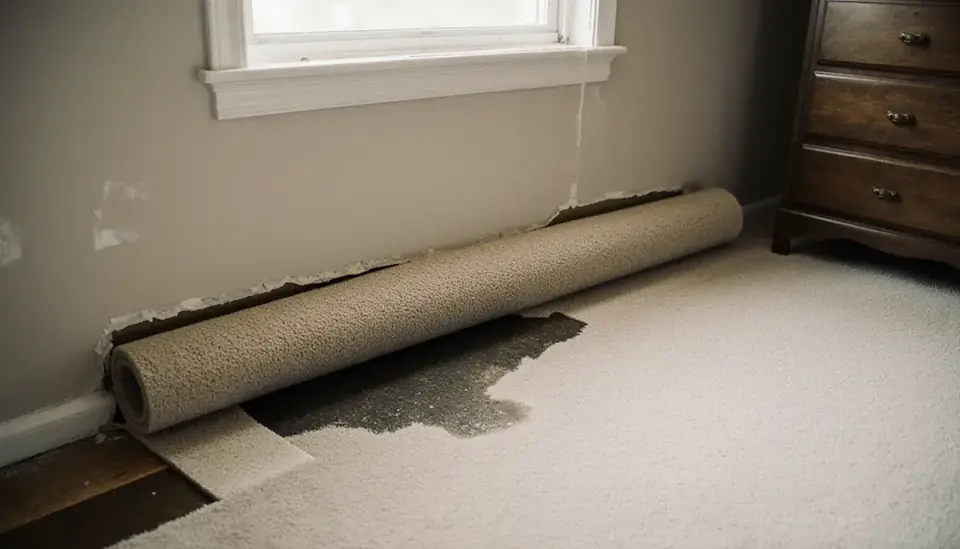
Wildfire has made that rain more dangerous. The Schultz Fire burned more than 15,000 acres north of town in 2010, and in 2022 the Tunnel and Pipeline fires burned on the same side of the city. Burned slopes shed water and ash far faster than forest floor, and the NWS reported severe, persistent burn scar flash flooding soon after the 2022 fires were contained. The office now posts a daily burn scar flood risk level and warns that any thunderstorm can cause flash flooding, even on a low-risk day. Homes below these slopes should treat flood cleanup as a when, not an if.
Older Homes in Southside, Townsite and the North End
Flagstaff has several historic districts, including Southside, Townsite, the North End and the Railroad Addition. Houses in these areas often have stone foundations, crawl spaces, plaster walls and plumbing that has been repaired many times. They can hold water in places a modern slab house does not: under old wood floors, inside plaster, and in rubble or stone foundation walls.
Drying older structures well takes moisture mapping and patience. Ask any provider how they will confirm that framing and subfloors are dry before walls are closed up, and whether original materials such as wood flooring can be saved. For a sense of the equipment and monitoring involved, see our page on structural drying.
Mold in a Cool, Dry Mountain Climate
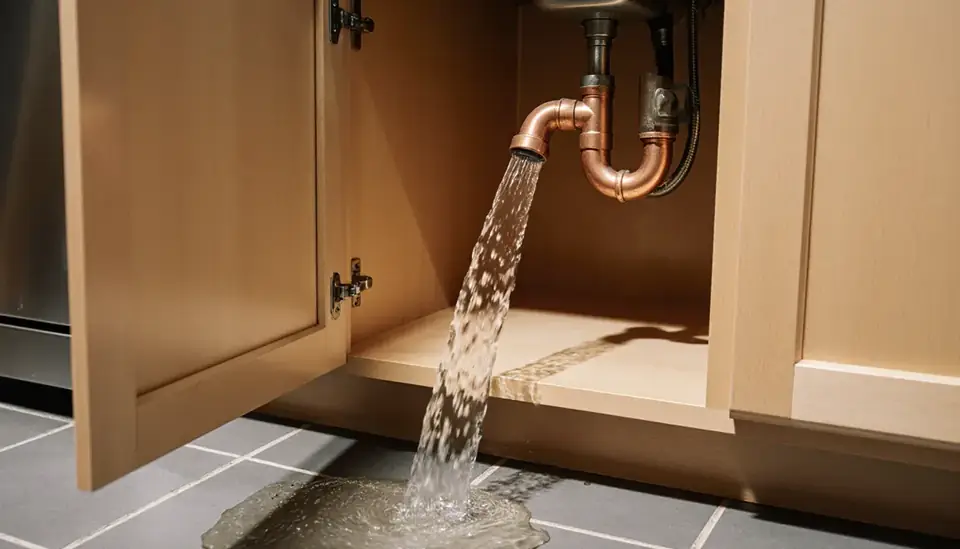
Flagstaff's air is dry most of the year, which lulls people into thinking mold is a low-country problem. It is not. What mold mostly depends on is moisture in building materials, and a slow leak inside a wall, a crawl space wet from snowmelt, or carpet that stayed damp after a storm will grow it here too. Wet drywall and insulation that sit for more than a couple of days are the usual culprits.
A few spots on tile or metal can be wiped clean by a homeowner. Larger growth, or growth on drywall, insulation or wood framing, is a job for a remediation provider using containment so spores are not spread through the house.
Areas In and Around Flagstaff
Calls come in from across Flagstaff, including:
- Southside
- Townsite
- North End
- Railroad Addition
The same line also serves nearby communities such as:
- Doney Park
- Kachina Village
- Fort Valley
- Mountainaire
- Munds Park
- Williams
Common Questions
Why did my pipes burst when the temperature was already rising?
Ice inside a pipe expands and splits it while it is frozen, but the crack stays plugged until the ice melts. In Flagstaff that often means a freeze overnight and a leak in late morning as the sun warms the house. Shut the main valve as soon as you see water, then check crawl spaces, garages and exterior walls for other damaged lines.
How do I know if my Flagstaff home is near a burn scar flood area?
Look at where your property sits relative to the 2010 Schultz Fire and the 2022 Tunnel and Pipeline fire areas north and northeast of town, and to washes draining those slopes. The NWS Flagstaff burn scar page posts a daily flood risk level. FEMA's Flood Map Service Center shows mapped flood zones, though post-fire risk can extend beyond them.
Does homeowners insurance cover snowmelt or flash flood damage?
Standard homeowners policies usually exclude flood from surface water, including post-fire flash floods, which require separate flood insurance. A sudden pipe burst is treated differently and is often covered. Ice dam and roof leak claims vary by policy. Photograph damage before cleanup starts and ask your agent how your policy handles each cause.