
Roseville began as a railroad junction in 1864, when Central Pacific tracks pushed northeast from Sacramento, and by 1929 the railroad employed more than 1,200 of the town's roughly 6,400 residents. Interstate 80 arrived in 1956 and pulled growth east, and the city has kept spreading across the low hills of southwestern Placer County ever since. Threaded through all of it are Dry Creek, Linda Creek, Secret Ravine and Cirby Creek, which carry winter runoff west toward the valley.
The Restoration Job connects callers with independent restoration providers that serve Roseville. Our line, (888) 317-9980, is free and open 24/7. We don't perform the work ourselves; the provider you're connected with will assess the damage and quote the job, and many offer emergency service for active leaks.
How the call works: when you call (888) 317-9980, The Restoration Job connects you with an independent restoration provider that serves Roseville. That provider inspects the damage, explains the scope and quotes the work. The Restoration Job doesn't perform restoration itself. Read our referral disclosure.
Dry Creek, Linda Creek and the Creekside Lots
Much of the year these creeks run low, but in a wet winter they can rise quickly after a series of storms. Homes and businesses closest to the channels, along with streets and parks that sit in the creek corridors, are where outside water is most likely to become a problem. If your property backs onto a creek or open space, check the city's floodplain information and the FEMA flood map for your address before the rainy season, and keep yard drains and the path from your downspouts to the street clear.
Flooding from creek overflow or surface runoff is excluded from most homeowners policies, so creekside owners in particular should price a separate flood policy. Coverage generally has a waiting period before it takes effect, so it is not something to buy when the forecast turns ugly.
Five Dry Months, Then the First Storm
Roseville's dry season runs from roughly June through October, which means roofs, gutters and window seals go months without being tested. The first strong storm of the fall is when many homeowners find out about cracked tiles, worn underlayment, debris-choked valleys or flashing that has pulled away from a chimney. Leaks often show first as a brown ring on a ceiling or a damp spot where a wall meets the ceiling. Ceiling drywall that holds water can sag and fall, so poke a small hole in a bulging spot over a bucket to let it drain, and keep people out of the room.
Fall is the time to clear gutters, trim branches back from the roof and have anything questionable repaired. After a storm, a provider can handle the interior side: removing soaked insulation, drying the ceiling cavity and coordinating storm damage cleanup with the roofer.

Heat-Driven Leaks: Condensate Lines, Attics and Garage Water Heaters
July highs average in the mid-90s and routinely climb past 105 degrees, so air conditioners here run hard for months. That puts steady load on the systems that move water around the house:
- AC condensate drains clog with algae and overflow into ceilings when the air handler sits in the attic
- Water heaters in hot garages wear out and leak at the base or the relief valve
- Irrigation lines and valves crack and soak foundations and side yards
- Refrigerator and washing machine hoses fail while the house is closed up during the day
A secondary drain pan with a float switch under an attic air handler, and a quick seasonal look at the water heater and supply hoses, prevent a large share of these calls. When one does fail, quick water extraction and drying limit how much drywall and flooring has to come out.
Old Roseville Versus Newer Subdivisions
The railroad-era downtown and the older neighborhoods around it hold some of the city's oldest buildings, where decades of remodeling can leave a mix of old and new plumbing and roofing. East Roseville, which grew after Interstate 80 opened, and the subdivisions that followed were built in later waves. Older homes are generally more likely to have galvanized pipes, original shutoff valves and raised floors with crawl spaces, while newer houses are more often built on slabs, where a hidden supply leak can travel under flooring across several rooms. Either way, a provider should map moisture with meters rather than guess where the water went.
Mold Risk in a Hot, Dry Climate
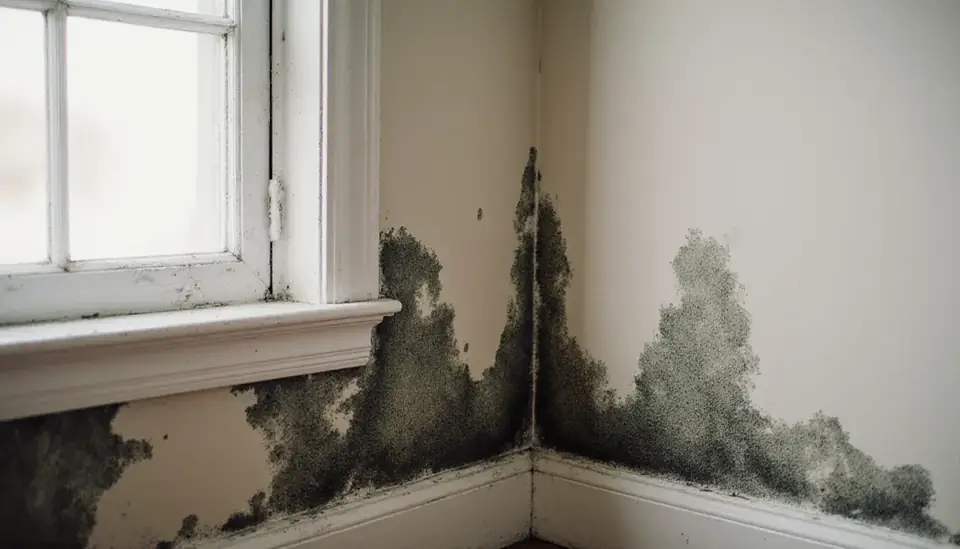
Dry summer air does not stop mold inside walls. A slow leak behind a shower valve or under a sink keeps building materials wet regardless of the weather outside, and a house closed up for air conditioning traps that moisture. Winter adds damp crawl spaces and cool, slow-drying rooms after storm leaks. Wet drywall, carpet pad and wood can grow mold within a few days. If you notice a persistent musty smell, peeling paint or soft spots in flooring, have the area checked for hidden moisture. Larger growth calls for professional mold remediation with containment.
Neighborhoods and Nearby Communities
Calls come in from across Roseville, including:
- Downtown Roseville
- East Roseville
The same line also serves nearby communities such as:
- Rocklin
- Citrus Heights
- Granite Bay
- Antelope
- Lincoln
- Loomis
Questions From Roseville Property Owners
My Roseville home backs onto a creek. What should I do before winter?
Look up your address on the FEMA flood map and any city floodplain information, and decide whether flood insurance makes sense, keeping in mind policies usually have a waiting period. Clear debris from drainage paths on your lot, avoid stacking yard waste near the bank, and photograph your home and belongings. During heavy storms, keep alerts on and stay away from fast-moving water along the channel.
Water is dripping from my ceiling and the AC is running. What's happening?
When the air handler sits in the attic, its condensate line can clog and overflow into the ceiling below. Turn the system off, put a bucket under the drip and check the drain pan if you can reach it safely. Wet ceiling drywall and insulation need to be dried or replaced, and the line should be cleared before the system runs again.
How do I know if a slab leak is causing damage in my house?
Warning signs include a water meter that moves with every fixture off, warm spots on the floor, unexplained increases in your water bill, damp carpet or swelling flooring away from any bathroom, and the sound of running water when nothing is on. A plumber can locate and repair the leak; a restoration provider then dries the flooring and any wall bottoms that wicked water.