
Tracy started as a Central Pacific railroad stop in 1878 and spent most of the next century as a small farm town. Then it boomed: the population grew by nearly half between 2000 and 2010 alone, and it now passes 100,000 by recent estimates. Much of the city is bounded by Interstate 205, Interstate 5 and Interstate 580, with Delta farmland to the east and dry hills to the west, and the city is counted as part of the greater Bay Area, with many residents commuting there for work.
That mix of newer homes and long days away from the house shapes what goes wrong here. For help at any hour, dial (888) 317-9980, a free line run by The Restoration Job. We connect callers with independent restoration providers that serve Tracy; we don't employ crews, and each provider sets its own availability.
How the call works: when you call (888) 317-9980, The Restoration Job connects you with an independent restoration provider that serves Tracy. That provider inspects the damage, explains the scope and quotes the work. The Restoration Job doesn't perform restoration itself. Read our referral disclosure.
Leaks That Run All Day While You Commute
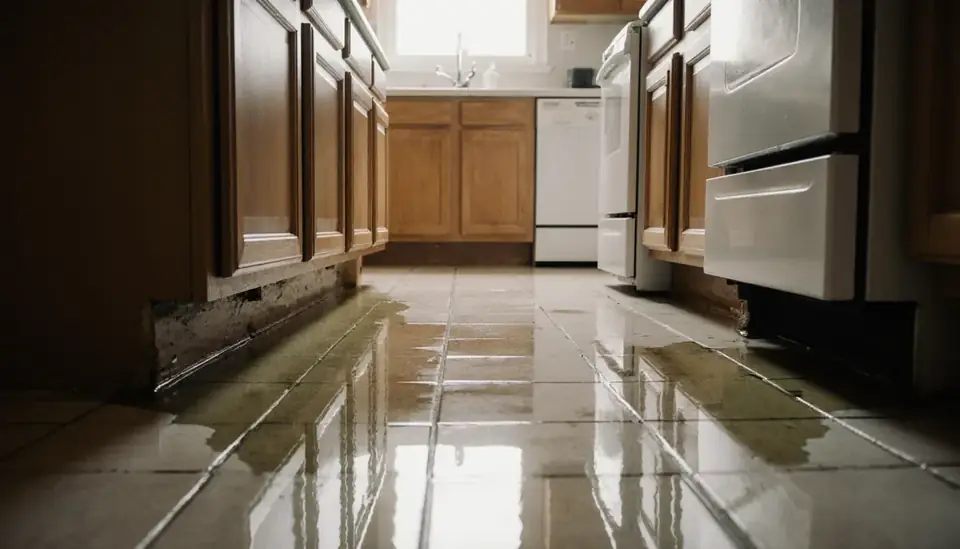
A supply line that bursts at 7 a.m. in a house that stays empty until evening can release a lot of water. In the slab-on-grade homes common in newer subdivisions, that water spreads under laminate, carpet and tile, wicks into the bottom of drywall and baseboards, and pools in the lowest rooms. The most frequent sources are familiar ones:
- Braided or rubber washing machine hoses that age out and split
- Toilet and faucet supply lines under sinks
- Water heaters in garages, which often fail at the bottom of the tank
- Refrigerator ice-maker lines behind the fridge
A smart leak sensor near the water heater and washer, plus knowing where your main shutoff is, goes a long way. If you come home to standing water, fast water extraction limits how far it wicks into walls and cabinets.
Semi-Desert Rainfall, Freezing Nights
With about 12.5 inches of rain a year, Tracy technically qualifies as semi-desert. Storms are infrequent, which is exactly why they cause trouble: roofs, gutters and downspouts go months without being tested, and the first strong system of the season finds every cracked tile and clogged drain. Wind-driven rain can also push water around window frames and sliding doors.
Winters are colder than many newcomers from the coast expect. The city averages about 19 nights a year at or below freezing, and the record low is 17 degrees. That is enough to burst pipes in exterior walls, unheated garages and backyard hose bibs. Disconnect garden hoses, cover outdoor faucets and keep the garage door closed on cold nights.

Storm Drains and Street Runoff
The city's Utilities Division maintains more than 200 miles of storm water conveyance, along with over 1,200 miles of water and wastewater lines. Blocked inlets, leaves and debris are a common reason water backs up toward driveways and garages during heavy rain. Tracy runs a Maintain A Drain program and takes service requests through the Utilities Division at 209-831-6330, so a clogged street drain near your home can be reported before the next storm.
If storm or sewer water does get inside, treat it as contaminated. Porous materials it touched, such as carpet pad and the lower part of drywall, are usually removed rather than dried. Homeowners policies also treat outside flooding very differently from a burst pipe, so check how your policy handles each before you need it.
Drying a Modern Tract Home the Right Way
Newer homes are tighter and dry slowly once water is trapped under flooring or behind cabinets. A provider will usually start by finding the edges of the wet area with moisture meters and thermal imaging, then remove baseboards and sometimes drill small holes at the bottom of the wall to push dry air into the cavity. Laminate and engineered wood often cannot be saved once water gets underneath, while tile and some carpet can be. Kitchen and bathroom cabinets may need toe kicks removed so the space underneath dries.
Expect drying to take several days, with the provider checking readings daily. Ask for photos and moisture logs; your insurer will want them, and they show the job is actually finished before new drywall and paint go up.
Mold After a Leak in a Dry-Climate Home
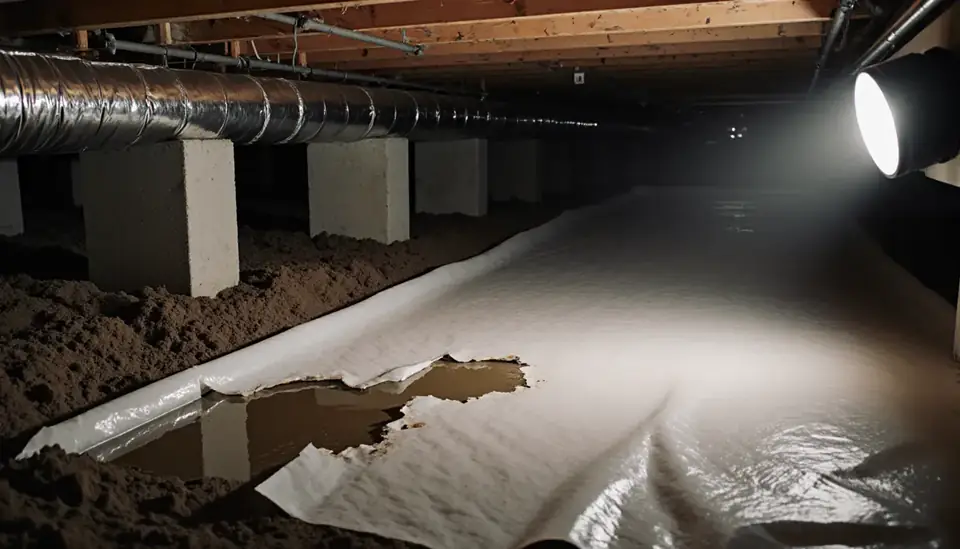
Even in a dry climate, wet drywall and carpet pad can start growing mold within 24 to 48 hours, and the inside of a wall stays humid long after the room feels dry. Cool, damp winter weather slows evaporation further. If a leak sat for a day or more, or you notice a musty smell after repairs, have the area checked. Larger growth, or growth inside walls and cabinets, is a job for mold remediation with containment, combined with fixing the moisture source.
Areas In and Around Tracy
The same line also serves nearby communities such as:
- Mountain House
- Lathrop
- Manteca
- Stockton
- Ripon
Frequently Asked Questions
Do pipes really freeze in Tracy?
They can. The city averages around 19 nights a year at or below freezing, with a record low of 17 degrees. Pipes in exterior walls, unheated garages and attics, and outdoor hose bibs are most at risk. Disconnecting hoses, insulating exposed lines and letting a faucet drip on the coldest nights all help.
Who handles a blocked storm drain on my street?
The City of Tracy's Utilities Division maintains the storm drain system and takes service requests by phone at 209-831-6330 or online. Reporting a clogged inlet before a storm can keep water from backing up toward driveways and garages. Damage inside your home is a matter for you, your insurer and a restoration provider.
Can laminate flooring be dried after a leak?
Usually not once water has soaked into the core or sits underneath it, which is common with slab leaks and appliance failures. A provider will often remove it so the slab and wall bottoms can dry, then it gets replaced. Tile and some carpet can often be saved, so ask what can be dried in place before agreeing to removal.
What does a call to The Restoration Job cost?
Nothing. (888) 317-9980 is a free 24/7 line that connects you with an independent restoration provider serving Tracy. The provider you're connected with will explain its own pricing and how it works with insurance claims, so ask those questions directly before work starts.