
Clovis was laid out on the flattest ground the Santa Fe Railway could find. In 1906 its engineers were told to buy the first level section west of Texico for a town site, and lots went on sale in May 1907. That flat ground, high on the Llano Estacado at about 4,270 feet, is the root of the city's water problems. With few natural channels to carry runoff away, storm water and snowmelt collect in streets and in shallow playa basins, and a heavy rain can leave water standing against homes and businesses.
The Restoration Job operates a free 24/7 line at (888) 317-9980 that connects callers with independent restoration providers serving Clovis and Curry County. We don't do the cleanup ourselves and can't promise when a provider will arrive, but many local companies often offer emergency service for flooding and leaks.
How the call works: when you call (888) 317-9980, The Restoration Job connects you with an independent restoration provider that serves Clovis. That provider inspects the damage, explains the scope and quotes the work. The Restoration Job doesn't perform restoration itself. Read our referral disclosure.
Playa Basins and a City Without Natural Drainage
The Llano Estacado is dotted with round, shallow playa lakes. After a storm they fill quickly, and the water only slowly soaks into the ground below. Around Clovis these basins act as the natural low points for runoff. A 2019 FEMA Discovery Report prepared for Curry and Roosevelt counties listed features such as Dennis Chavez Lake Playa, Green Acres Arroyo and the Northeast and Northwest drains, and it noted bluntly that playa lakes are problems for local development, adding that Curry County has no zoning.
The same report found that about 44 percent of flood insurance claims in the two-county study area were filed in Clovis, even though neither county has had a federal flood disaster declaration. City officials told the study team that local flood maps, effective since 2013, need updating after stormwater upgrades. In practical terms, a home near a playa, a drain or a low street corner can take water in an ordinary heavy storm.
Snow Weeks in January and February
The city averages less than 9 inches of snow a year, but it often comes as several inches that linger for weeks in January and February. Wikipedia's account of the city's climate notes that this frequently causes minor flooding because of the lack of a runoff system. Melting snow pools against foundations, seeps under garage doors and finds gaps around crawl space vents and door sills. The record low of minus 17 degrees also means frozen pipes are a real winter risk, especially in exterior walls and unheated additions.

Spring Storms on the Edge of Tornado Alley
Clovis sits on the southern edge of Tornado Alley, and the National Weather Service in Albuquerque says about three quarters of New Mexico's tornado-producing severe storms occur in the eastern part of the state, most often from April through July. On March 23 and 24, 2007, severe storms and tornadoes led to a federal disaster declaration for Curry and Quay counties, with assistance for individual households. Large hail is another regular visitor, and August is the wettest month, averaging just over 3 inches of the city's roughly 17.6 inches a year.
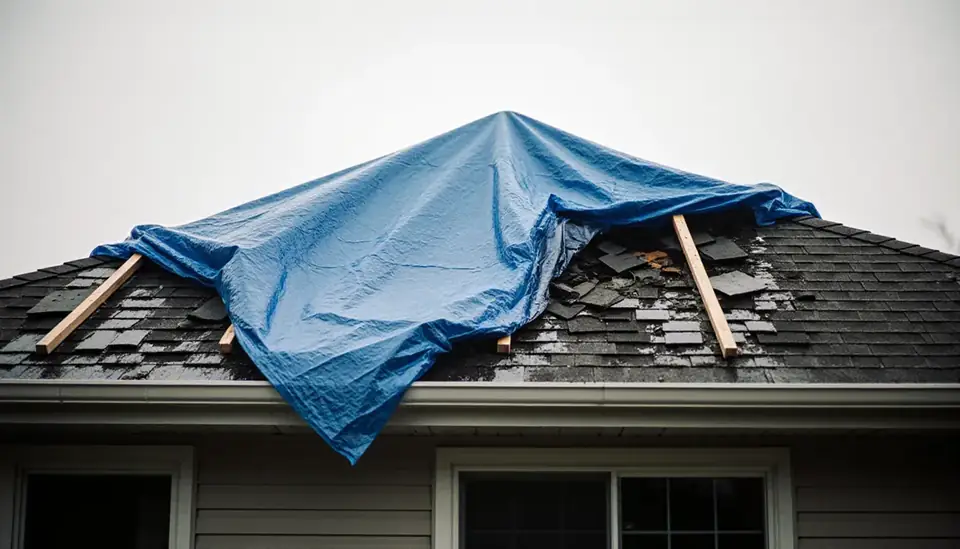
Storm damage often becomes water damage. A torn roof, broken window or punctured wall lets rain in for hours afterward, and wet insulation in an attic can bring down a ceiling. Securing openings quickly and starting storm damage cleanup early limits how far the water spreads.
Railroad-Era Buildings and Base Housing
Downtown still has buildings from its railroad years, including the Hotel Clovis, opened in 1931, and several historic movie theaters. Older commercial buildings often have flat roofs, internal drains and shared walls, so a clogged drain on one roof can soak the business next door. Cannon Air Force Base is about seven miles west of the city center, so the rental market includes many military households. Renters should report leaks to the landlord right away and document damage to their own belongings for a renter's policy.

Drying Out a Llano Estacado Home Step by Step
- Shut off the water main or the valve feeding the leak, and cut power to wet rooms.
- Photograph standing water, wet walls and damaged items before cleanup.
- Pull up wet rugs and move furniture off the floor; open cabinet doors.
- Call your insurance carrier, then (888) 317-9980 to reach a provider for flood cleanup.
A crew will usually pump or vacuum out standing water, measure moisture behind baseboards and under flooring, and remove materials that cannot be dried. Dehumidifiers and air movers then run for several days. Water that came in from a flooded street should be treated as contaminated, which changes what can be saved.
Mold Risk After Summer Rains
The climate is semi-arid, but summer evening thunderstorms give mold what it needs in a wet crawl space or wall cavity. Damp drywall and carpet pad can start growing mold within a few days. If water sat for a while before anyone found it, ask the provider to check hidden areas and, where needed, arrange mold remediation as part of the job.
Where Callers in the Clovis Area Are
The same line also serves nearby communities such as:
- Portales
- Texico
- Melrose
- Floyd
Frequently Asked Questions
Why does water pond on my street after every big storm?
Clovis sits on very flat ground on the Llano Estacado, where runoff naturally collects in shallow playa basins rather than flowing to a river. The city has made stormwater improvements over the years, but low corners and lots near playas can still pond. Keeping gutters, downspouts and yard grading directing water away from the house helps reduce how often it reaches the foundation.
Do I need flood insurance in Clovis if I'm not in a mapped flood zone?
It's worth considering. A 2019 FEMA study found that a large share of flood insurance claims in Curry and Roosevelt counties came from Clovis, and city officials said the maps need updating. Homeowners policies usually exclude surface flooding, so a separate policy is the main way to cover water that flows in from outside.
I rent near Cannon AFB. Who handles a leak?
Tell your landlord or property manager in writing as soon as you find the leak, and take photos. The building owner is usually responsible for repairs and drying, while your renter's insurance may cover your own belongings and temporary housing. If the landlord can't be reached and water is spreading, shut off the supply valve if you can.
Can melting snow really cause water damage here?
Yes. Clovis's climate record notes that snow lasting several weeks in midwinter often leads to minor flooding because runoff has few places to go. Meltwater can collect at foundations and garage doors and enter through cracks or vents. Shoveling snow away from walls and keeping drains clear before a thaw helps.