
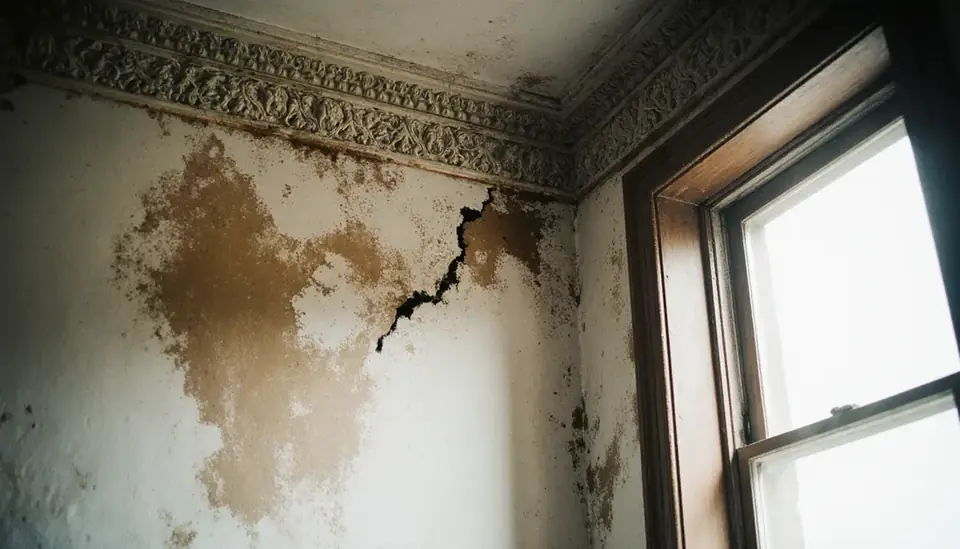
Tucumcari grew up twice: first as a railroad town after the Chicago, Rock Island and Pacific arrived in 1901, then as a Route 66 stop lined with motels, diners and neon. Many of those 1930s to 1950s buildings are still in business along Route 66 Boulevard, and they share the city with modest homes of similar age. Old roofs, old plumbing and a climate that swings from summer cloudbursts to hard winter freezes make water damage a regular problem here, for homeowners and for small businesses that depend on travelers.
Our referral line is free and answered day and night. Call (888) 317-9980 and we'll connect you with an independent restoration provider that serves Tucumcari and Quay County. We don't do the work ourselves, and timing depends on the provider, but many in the region often offer emergency service.
How the call works: when you call (888) 317-9980, The Restoration Job connects you with an independent restoration provider that serves Tucumcari. That provider inspects the damage, explains the scope and quotes the work. The Restoration Job doesn't perform restoration itself. Read our referral disclosure.
Monsoon Cloudbursts Below Tucumcari Mountain
Rainfall in Tucumcari is light for most of the year, about 16 inches in total, but summer thunderstorms tied to the North American monsoon can bring locally heavy downpours. July is the wettest month, averaging close to 3 inches. When that rain arrives in an hour instead of a week, it runs off packed ground and pavement, pools in low streets and parking lots, and pushes under doors that sit at grade.
Quay County also lies in the part of New Mexico where severe weather is most common. The National Weather Service in Albuquerque says three quarters of the state's tornado-producing storms occur in the east, mainly April through July, and large hail strikes eastern counties several times a year. On March 23 and 24, 2007, severe storms and tornadoes led to a federal disaster declaration for Quay and Curry counties.
Hard Freezes on the High Plains
At just over 4,000 feet, Tucumcari gets real winters. Average snowfall is close to 15 inches, and the record low is minus 22 degrees, set in January 1963. Quay County was included in a federal declaration for a severe winter storm in December 1997. Pipes in exterior walls, under raised floors, in unheated motel utility rooms and in outdoor hose bibs are the usual failure points. A split pipe may not leak until it thaws, so check crawl spaces and closets after any deep cold spell.
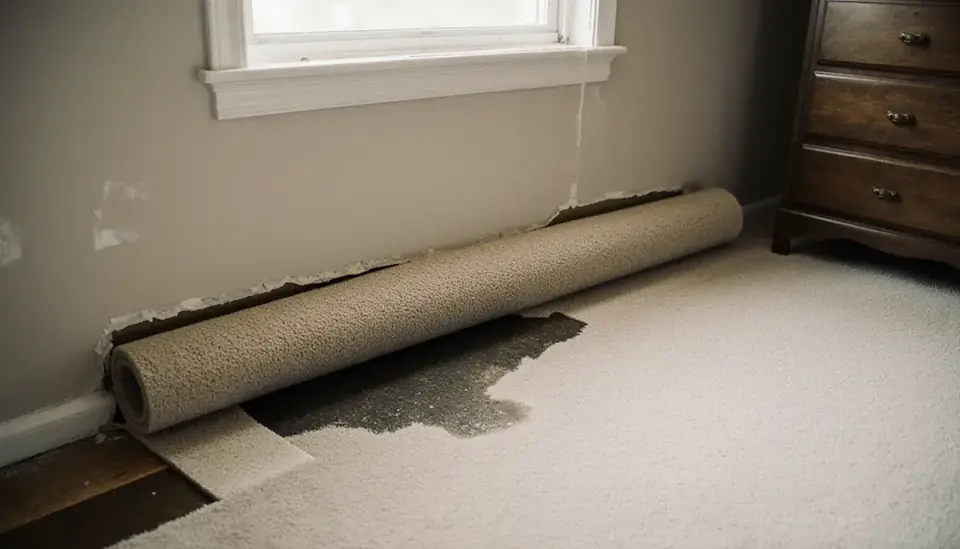
Motels, Vintage Storefronts and Flat Roofs
Many of Tucumcari's landmark buildings, from the Blue Swallow Motel to the 1937 Odeon Theatre and the restored 1926 train station, are decades old. Older commercial buildings often have flat or low-slope roofs with parapet walls, where clogged scuppers and aging membranes let water pond and seep. In motels, one leaking supply line or overflowing tub can damage several rooms through shared walls and ceilings.
For business owners, quick documentation matters: record which rooms are out of service, keep moisture readings from the provider, and talk to your insurer about business interruption coverage. Older plaster and masonry can often be dried in place rather than torn out, so ask a provider about that option.
Tucumcari has a reminder of how much damage stored water can do. In December 1951 a water storage tank collapsed in the city, killing four people and destroying numerous buildings.
Route 66 Town Leak Checklist
- Close the main water valve or the fixture supply, and switch off breakers for wet areas.
- Photograph walls, ceilings, floors and damaged property before moving it.
- Pull wet bedding, rugs and furniture out of affected rooms.
- Notify your insurer and call (888) 317-9980 to reach a provider for water extraction and drying.
- If the city's warning sirens or Quay County NIXLE alerts signal severe weather, stay put until it's safe to go outside.
A crew will typically remove standing water, check walls and subfloors with moisture meters, take out materials that are too wet to save and set up dehumidifiers and air movers. Ask for a written drying log so you can track progress.
Mold in Closed-Up Rooms
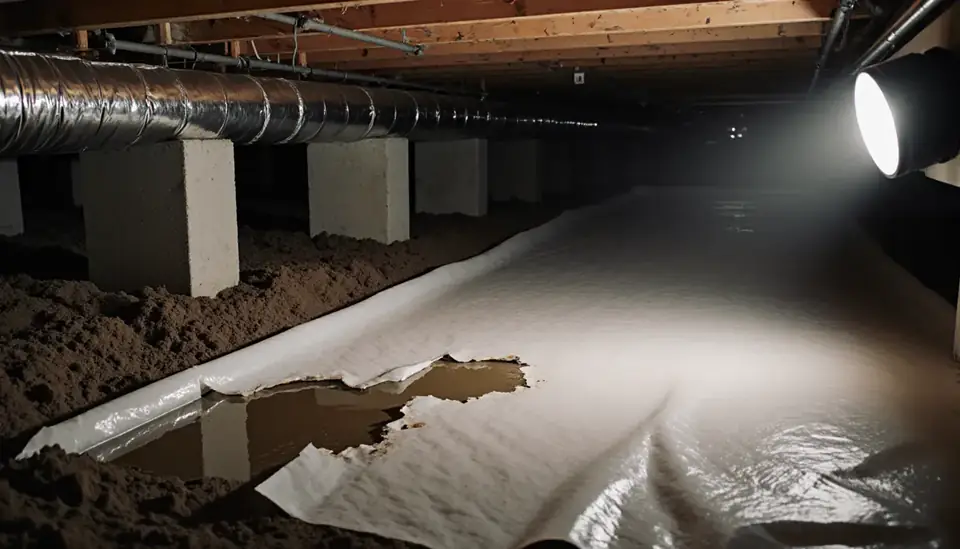
Rooms that stay closed between guests, seasonal homes, and crawl spaces under older houses can hold moisture for a long time after a leak. In summer heat, damp drywall, carpet and wood framing can start growing mold within a few days. Opening rooms, running dehumidification and checking hidden cavities early helps, and where growth is found, mold remediation should be done before rebuilding. Our page for Santa Rosa, west on I-40, covers the Pecos River side of the region.
Neighborhoods and Nearby Communities
The same line also serves nearby communities such as:
- Logan
- San Jon
- Santa Rosa
- Clovis
Questions From Tucumcari Property Owners
Pipes froze in my Tucumcari house. What should I do?
Shut off the main water valve before the pipe thaws if you can, because a split often leaks only when ice melts. Open faucets to relieve pressure, warm the area gradually, and never use an open flame. Check crawl spaces, exterior walls and cabinets for wet spots once water is back on, and photograph any damage for your insurer.
A guest room in our motel flooded. Do we have to close nearby rooms?
Possibly. Water travels through shared walls, ceilings and floors, so rooms beside or below the leak may also be wet even if they look fine. A provider can take moisture readings to see how far it spread. Keep a record of rooms taken out of service, which may help with business interruption claims.
How do I find out if my Tucumcari property is in a flood zone?
Type your street address into FEMA's Flood Map Service Center to see the mapped zone. Even outside a mapped zone, monsoon downpours can flood low streets and lots. Standard homeowners and many commercial policies exclude surface flooding, so ask your agent about a separate flood policy if water has reached your building before.