

Lovington is the seat of Lea County, a compact city of about 11,700 people at roughly 3,900 feet, some 21 miles northwest of Hobbs. Its population more than tripled during the 1950s, so a large share of town grew up around the same era, and many of those homes now carry original plumbing, aging roofs and decades of patched leaks. Add the hail and straight-line wind storms that cross northern Lea County in late spring and summer, and most water problems here start with a roof, a window or a pipe rather than a river.
Our referral line costs nothing to use. Dial (888) 317-9980 at any hour and we'll connect you with an independent restoration provider that covers Lovington. We don't employ crews or set anyone's schedule, but providers in this part of the state often offer emergency service for leaks and flooding.
How the call works: when you call (888) 317-9980, The Restoration Job connects you with an independent restoration provider that serves Lovington. That provider inspects the damage, explains the scope and quotes the work. The Restoration Job doesn't perform restoration itself. Read our referral disclosure.
Storm Tracks Between Tatum, Lovington and Hobbs
The open farm and ranch land around Lovington sees severe thunderstorms that can produce tornadoes, large hail and damaging downbursts. On March 23, 2007, the National Weather Service confirmed a weak tornado about 12 miles west-southwest of Lovington and an EF2 near Tatum whose winds were estimated around 118 mph. On May 31, 2023, a supercell drove wet microbursts along a 25-mile swath that reached past US 82 and crossed the Lovington Highway and roads such as Stiles and Caudill, with peak winds estimated near 130 mph. The survey found buildings that lost roofs and long rows of snapped poles.
For a house in town, the lesson is that wind and hail open the building and the rain that follows does the soaking. Ceilings, attic insulation and exterior walls on the side facing the storm usually take the most water.
Mid-Century Homes and Leaks Hidden Under Floors
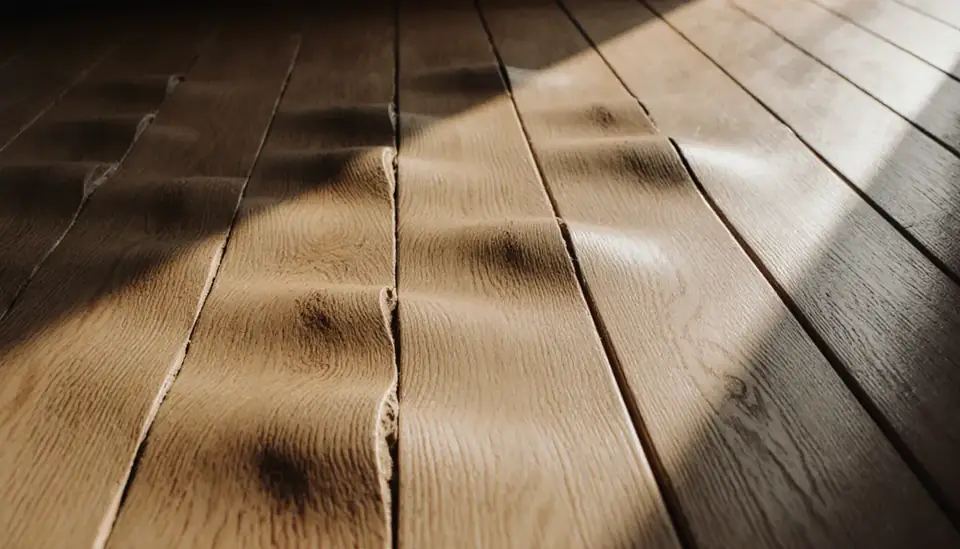
Houses from Lovington's postwar growth years are now roughly 60 to 70 years old. Galvanized supply lines in older homes corrode from the inside, cast-iron drains crack, and slab foundations can hide a leaking line for weeks. Watch for warm spots on a tile floor, a water bill that climbs without explanation, or baseboards that swell along one wall. Swamp coolers and rooftop units add another leak path straight down into ceilings.
The nearest long climate record, in Hobbs, shows a record low of minus 7 degrees. Cold snaps are short, but they are enough to split pipes in an exterior wall, an unheated laundry room or a crawl space vent left open.
Lea County Flooding and Your Insurance
Rain here is concentrated: in nearby Hobbs, about 70 percent of the year's 13.8 inches falls from May through September. A single storm can drop enough water on flat ground to back up into garages and through door thresholds. Lea County was included in federal disaster declarations for flooding in 1992 and again in September 2014.
Flood damage from outside water is usually excluded from homeowners policies, while a sudden pipe burst or storm-opened roof often is not. In Lovington, the city's Planning and Zoning office handles building permits and floodplain management, so it is the place to ask about your property's flood status. You can also look up your address on FEMA's flood maps. More background on statewide risks is on our New Mexico service area page.
Steps for a Lovington Leak or Flooded Room
- Turn off the water at the meter or main valve, and shut off breakers for any room where water touches outlets.
- Photograph ceilings, walls, floors and damaged belongings before cleanup.
- Move furniture onto blocks or out of the room, and lift drapes off wet carpet.
- Notify your insurance company, then call (888) 317-9980 for a connection to a provider for water damage repair and drying.
Expect a provider to start by finding where moisture has traveled, using meters and sometimes thermal cameras. Wet carpet pad, saturated insulation and swollen particleboard are usually removed. Drying equipment then runs for several days, and repairs such as drywall, paint and flooring follow once readings confirm the structure is dry.

Keeping Mold From Following a Roof Leak
Southeast New Mexico air is dry most of the year, but a wet attic in July is warm and humid, which is exactly where mold gets started. Insulation that stays damp after a hail leak, or drywall behind a bathroom that leaked slowly for months, can support growth even when the rest of the house feels dry. Fast, thorough drying prevents most of it. If you notice a musty odor or spotting after a leak, have it checked and, where needed, handled through mold remediation rather than painted over.
Areas In and Around Lovington
The same line also serves nearby communities such as:
Questions From Lovington Property Owners
Who do I ask about floodplain rules for a property in Lovington?
The City of Lovington's Planning and Zoning department handles construction permits and floodplain management, so it can tell you whether a lot or building is affected. Pair that with a search on FEMA's Flood Map Service Center. If you're rebuilding after water damage, ask whether permits are needed for the repairs before work begins.
Our roof leaked after a windstorm. What should I do first?
Once the storm has passed and it's safe, cover the opening with a tarp or ask a roofer to, because more rain will spread damage. Photograph everything, collect ceiling drips in buckets, and poke a small hole in a bulging ceiling to release trapped water only if you can do so safely. Then call your insurer and arrange drying for wet insulation and drywall.
How long does drying take in a Lovington home?
It depends on what got wet. A carpeted room with water caught quickly may dry in a few days. Soaked insulation in an attic, water under a slab floor, or saturated cabinets can take longer and may require removal. The provider should track moisture readings each day and explain when materials are dry enough for repairs.