
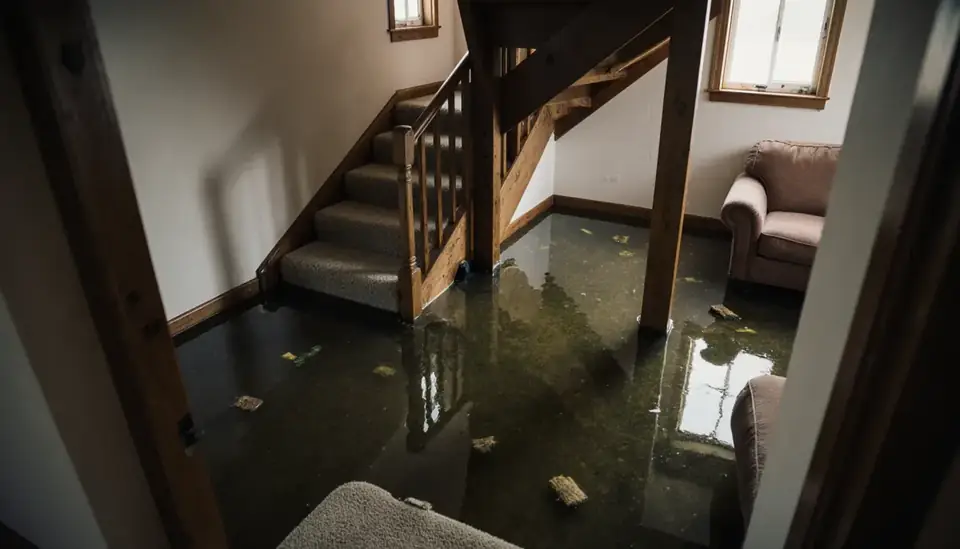
Marysville is a small city with a big river problem. The Yuba River wraps around its south and east sides, the Feather River runs along the west, and the two meet just southwest of downtown. A ring of levees holds them back, and that levee system is a big reason the city has stayed at roughly three and a half square miles for well over a century. At about 62 feet above sea level, almost every block depends on that protection during a wet winter.
The Restoration Job runs a free phone line, (888) 317-9980, answered 24/7. We connect callers with independent, third-party restoration providers that serve Marysville and the rest of Yuba County. We don't employ crews or own equipment; the providers set their own schedules, and many of them offer emergency service for water extraction and drying.
How the call works: when you call (888) 317-9980, The Restoration Job connects you with an independent restoration provider that serves Marysville. That provider inspects the damage, explains the scope and quotes the work. The Restoration Job doesn't perform restoration itself. Read our referral disclosure.
Two Rivers, Raised Riverbeds and a Levee-Ringed Town
The flood risk here goes back to the Gold Rush. Hydraulic mining in the Sierra foothills sent an estimated 25 million cubic yards of debris down the Yuba, raising streambeds by as much as 50 feet in places and burying riverside land under sediment. Higher riverbeds meant less room for floodwater, and the city answered with levees that are still maintained today. Hydraulic mining was banned in 1884, and later dams such as Englebright (1941) and New Bullards Bar (completed in 1969 after the destructive December 1955 flood across the river in Yuba City) now hold back debris and part of the winter runoff.
None of that removes the risk entirely. In February 2017, problems at the Oroville Dam spillway led to evacuation orders for low-lying areas along the Feather River in Butte, Yuba and Sutter counties, with roughly 188,000 people told to leave. For a Marysville homeowner, the takeaway is simple: know your evacuation zone, keep important papers ready to grab, and remember that a standard homeowners policy does not cover river flooding. Flood coverage is a separate policy, usually with a waiting period before it takes effect.
Gold Rush Buildings, Chinatown and Older Homes
Marysville has some of the oldest building stock in the Sacramento Valley. The Historic Commercial District, the Chinatown area around the Bok Kai Temple (first built in 1854 and rebuilt in 1880) and residences like the 1855 Gothic revival house that holds the Mary Aaron Museum all date from the city's earliest decades. Old brick, lime mortar, plaster walls and wood floors behave differently from modern drywall and slabs when they get wet.
- Brick and mortar can hold moisture for a long time and may show efflorescence (white salt deposits) as they dry.
- Plaster on lath is often worth drying in place rather than tearing out, if the provider has the right equipment and the plaster is still sound.
- Old raised wood floors and crawl spaces need air moving underneath them, not just on top.
Before anything is removed from a historic commercial building, it is worth asking the city whether permits or historic design approvals apply.

Wet Winters, Hot Summers and What Each Season Brings
Marysville averages about 20 inches of rain a year, almost all of it between mid-October and mid-April, with January the wettest month. That is when roof leaks, saturated crawl spaces and backed-up yard drains tend to show up, and when the rivers run high. Winter nights can drop below freezing (the record low is 19 degrees), which is enough to split an exposed hose bib or an uninsulated pipe in a crawl space.
Summer is a different story: triple-digit heat runs air conditioners hard, and a clogged condensate line or a failing water heater can soak a closet or hallway for days before anyone notices. Supply lines to washing machines, toilets and ice makers are common culprits in any season.
First Steps After a Leak or River Flooding in Marysville
Safety comes first. If floodwater has reached outlets or the electrical panel, keep out and call the utility. Floodwater from the rivers or from overwhelmed storm drains should be treated as contaminated, which changes how carpet, pad and drywall are handled. Clean water from a burst supply line is a different category and more can often be saved if drying starts quickly.
- Photograph every room, including water lines on walls, before moving anything.
- Stop the source if it is a plumbing leak, and move furniture off wet carpet.
- Call your insurer early and keep receipts for anything you buy.
- Ask the provider to take moisture readings in walls, subfloors and the crawl space, not just the visible puddle.
A provider handling flood cleanup will typically extract standing water, remove materials that cannot be saved, and set up drying equipment, then return to measure progress until readings reach normal levels.
Mold in Crawl Spaces and Old Walls
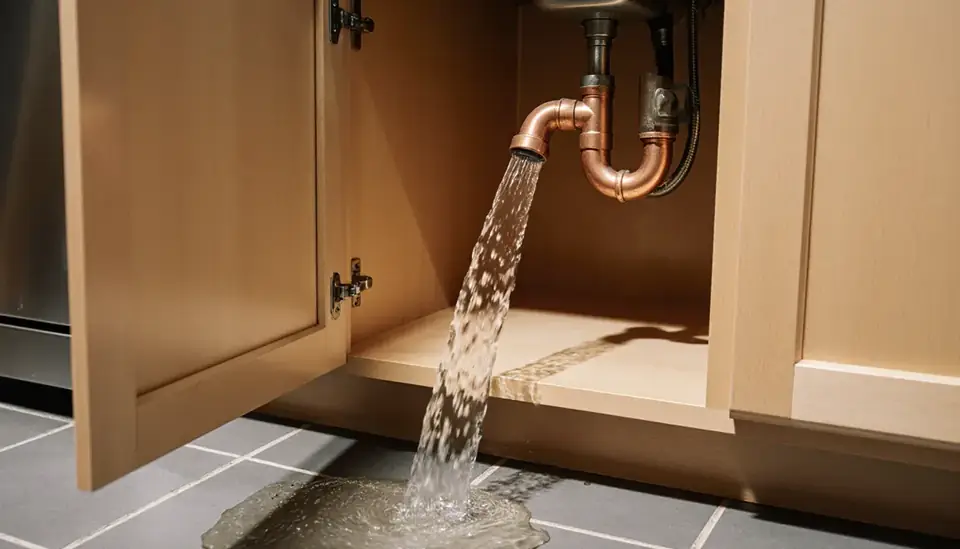
Mold growth can begin within a day or two on wet wood and paper-faced drywall. Marysville's mild, damp winters give it time to get established in places people rarely look, such as under raised floors, behind plaster and inside wall cavities next to a slow leak. A musty smell that lingers after a storm is a good reason to have someone inspect the crawl space. If you can see growth spreading across more than a small patch, mold remediation with containment and proper drying is usually a better approach than scrubbing it yourself, because the underlying moisture still has to be fixed.
Neighborhoods and Nearby Communities
Calls come in from across Marysville, including:
- Historic Commercial District
- Chinatown
The same line also serves nearby communities such as:
- Yuba City
- Linda
- Olivehurst
- Plumas Lake
- Wheatland
- Loma Rica
Frequently Asked Questions
Does Marysville's levee system mean I don't need flood insurance?
Levees lower the risk but do not remove it, and the city sits between two rivers with raised beds from mining debris. Homeowners policies exclude flood damage, so river or levee-related flooding is only covered by a separate flood policy. Check your property on the FEMA Flood Map Service Center and ask your agent about coverage, keeping in mind that new policies usually have a waiting period.
Where can I check river levels before a storm?
Yuba County's Office of Emergency Services keeps a flood resources page that links to river forecasts for the Yuba River, Feather River, Bear River and Dry Creek from the California Nevada River Forecast Center. The county also posts sandbag and shelter information and offers emergency alert signups, which are worth setting up before the wet season starts.
Can water-damaged plaster in an older Marysville home be saved?
In many cases it can, provided the plaster still grips the lath and the water came from a clean source. It dries slowly, so a provider will usually monitor it with moisture meters over several days. Plaster soaked by floodwater, or plaster that has started to sag or crumble, is more likely to need removal. Ask for readings before agreeing to any tear-out.
Who should I call first after a pipe bursts?
Shut off the main water valve, then call your insurer and a restoration provider. The Restoration Job's free line at (888) 317-9980 can connect you with an independent provider that serves Marysville. If water reached the electrical panel or outlets, contact your electric utility or an electrician before anyone works in the space.